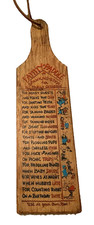
One big factor for me that hasn’t been mentioned is the chance of my mother finding out I’d been in trouble at school. If she found out I had got a detention, I would probably have got the wooden spoon at home anyway. So I’d do the detention (it was called “penals” at my school) and get whacked at home as well.
If I could avoid her finding out about the detention, I’d willingly take the detention. But if she was going to find out — and they often wanted us to get something signed by our parents when we got detention — I’d rather get the strap, and I would probably have preferred the cane as well. A quick punishment at school, painful though it might have been, seemed easier to deal with than the prospect of punishment both at school and later at home.
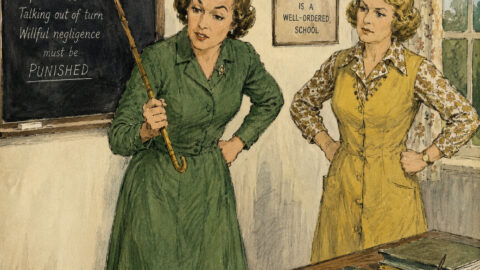
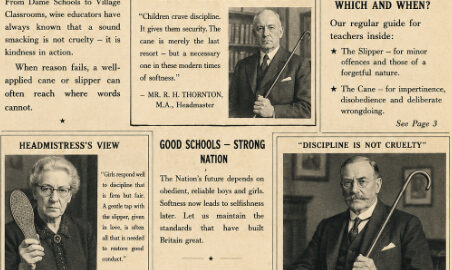
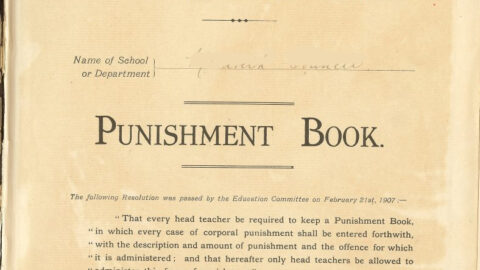
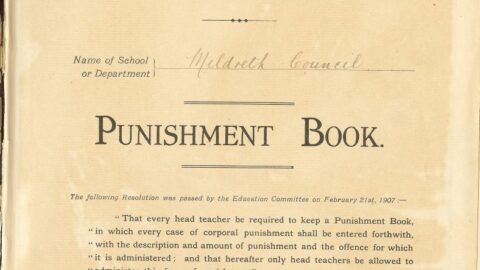
I was not aware of anyone being offered a choice of punishment at our school. The decision was entirely up to the teachers or the headmaster, and pupils simply accepted whatever was handed down. In many schools at the time, corporal punishment was treated as a normal disciplinary measure, particularly for repeated offences, talking back, fighting, or failing to complete work. Detention, by contrast, was often viewed as more of an inconvenience than a real punishment unless parents became involved.
In high school detention was rare, whilst the cane was used regularly. As someone who was never caned, I would still have chosen detention. One reason was that the cane was semi-public, and I would have been apprehensive both about my own reaction and about the attention it attracted from other boys afterwards. There was always a certain tension surrounding canings because everyone knew about them, even if they did not actually witness them.
At the same time, there were more than a few boys who received the cane regularly and seemed almost to revel in the reputation it gave them. Some wore the experience as a badge of toughness or rebellion, especially among their peers. For others, however, the humiliation and anxiety surrounding corporal punishment were often worse than the physical pain itself.
Looking back, it is striking how differently punishment was viewed then compared with today. Fear of parental reaction was often just as significant as fear of the school authorities. Many pupils were less worried about the detention, strap, or cane itself than about the consequences once their parents found out. In that sense, school discipline and discipline at home were closely linked, reinforcing one another in ways that were widely accepted at the time.