During the 1970s, the routines and disciplinary customs of British secondary schools reflected a markedly different educational culture from that which exists today. Practices that were then regarded as ordinary features of school life — compulsory communal showers, strict physical discipline, and corporal punishment — are now frequently viewed through a far more critical lens. Yet for many pupils educated during that period, such experiences formed an accepted and unquestioned part of daily routine.
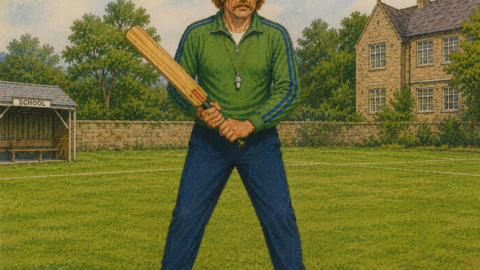
At the secondary modern school I attended in the latter half of the decade, physical education was conducted with considerable formality. Participation in games and exercise was compulsory, and equal emphasis was placed upon cleanliness and discipline. Following football, rugby, athletics, or gymnastics lessons, every boy was expected to proceed directly to the communal shower block. The physical education master maintained these standards rigorously and ensured that no pupil attempted to avoid washing after strenuous exercise.
The changing rooms themselves were austere and functional. Rows of wooden benches lined the walls beneath metal hooks carrying school uniforms and games kits, while the shower area consisted of a tiled open space fitted with several large shower heads suspended from exposed pipework. Privacy was entirely absent, a circumstance regarded at the time as wholly unremarkable. Boys from the ages of eleven to sixteen showered together under the supervision of staff or senior pupils entrusted with maintaining order.
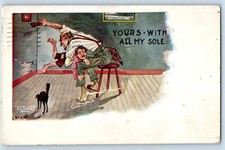
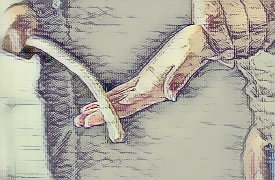
Any form of disorder within the showers was swiftly addressed. Horseplay, shouting, or attempts to evade the showers were considered acts of indiscipline rather than harmless adolescent behaviour. In some instances, punishment was administered immediately. The gymnasium master, a figure who commanded considerable authority throughout the school, was known to wait outside the changing rooms carrying a plimsoll shoe, commonly employed for slipper punishments.
Pupils accused of misbehaviour might be instructed to bend forward and touch their toes before receiving strokes of the slipper across the buttocks. On occasion, entire groups of boys were punished collectively if noise or disruption in the showers had become excessive. Such methods, severe by contemporary standards, were nevertheless commonplace within many British schools of the era and rarely attracted formal complaint.
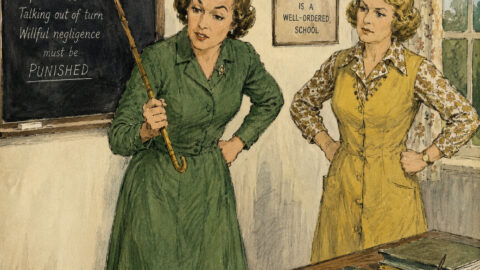
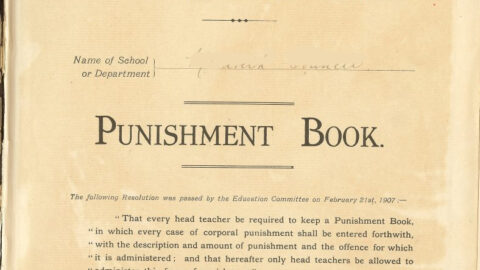
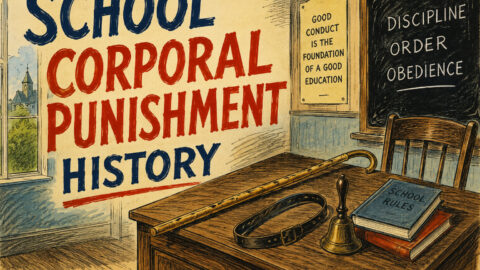
Corporal punishment itself remained deeply embedded within the educational system throughout much of the 1970s. Headmasters, deputy heads, and games masters frequently possessed authority to administer the cane or slipper for offences ranging from insolence and truancy to untidy appearance or poor conduct during games lessons. Many parents regarded such punishments as necessary instruments of discipline and expected schools to maintain firm control over pupils.
What is striking in retrospect is the extent to which pupils accepted these customs as inevitable. Fear of punishment undoubtedly existed, but so too did an understanding that school authority was rarely open to challenge. Complaints were uncommon, partly because many boys believed their parents would support the school rather than the child.
The physical conditions surrounding school life also reflected the limitations of public facilities at the time. Although the gymnasium showers at the main school building were generally tolerable, conditions at the sports pavilion on the games fields were far less comfortable. During winter months the water was frequently bitterly cold, while in summer it could become uncomfortably hot. Whether this resulted from primitive heating equipment or poor maintenance was never entirely clear. There were rumours among pupils that the water supply depended upon an unreliable boiler situated behind the pavilion.
Attempts to avoid showering in such unpleasant conditions were treated with little sympathy. Prefects and senior boys supervising the changing rooms often displayed impatience towards younger pupils reluctant to enter the showers. Delays, complaints, or requests for exemptions were frequently interpreted as weakness or defiance. As a result, most boys learned to comply quickly and without protest.
Among pupils themselves there existed a curious body of schoolyard folklore concerning corporal punishment. Boys discussed, often in exaggerated terms, which masters punished most severely and whether particular methods caused greater discomfort than others. One persistent belief held that punishment administered immediately after games or while the skin remained damp from showering was especially painful.
Several theories circulated to explain this. Some boys argued that physical exertion dulled sensitivity temporarily, while others claimed that cold water tightened the skin and intensified the sting of the slipper or cane. A commonly repeated story concerned the so-called “wet slipper,” in which the plimsoll used for punishment had supposedly been dampened beforehand. According to schoolboy legend, this produced sharper pain while leaving fewer visible marks, thus making it less likely that parents would discover the punishment later.
Whether such stories were entirely factual is difficult to determine. Like much school folklore, they were likely embellished through repetition. Nevertheless, they reveal the atmosphere of apprehension and bravado that surrounded corporal punishment in many schools of the period.
Looking back from the perspective of modern educational standards, these practices illustrate the profoundly different assumptions that once governed British school life. Authority was exercised more openly, physical punishment was institutionally accepted, and communal discipline was often considered more important than individual comfort or privacy. To many former pupils, such memories evoke a mixture of nostalgia, discomfort, resignation, and disbelief in equal measure.