In many British schools during the 1950s, 1960s and early 1970s, corporal punishment formed an accepted part of school discipline. Former pupils from across the country have recalled incidents involving the cane, the slipper and the strap, administered for offences ranging from lateness and smoking to talking in class and breaches of uniform regulations.
At Abbotswood Middle School in Southampton, one former pupil recalled receiving the ruler across the hands from a teacher known to the children as “Dee-oo”, as well as repeated punishment from Miss Chalk, who was remembered for wielding what seemed at the time to be an enormous plimsoll shoe rather than the softer gym slippers more commonly associated with school discipline.
Memories from Ainsdale High School in Southport included recollections of Mrs Wingfield, an English teacher reputed for her skill with the cane. Another former pupil remembered an incident during a hockey match in which a teacher, Miss McManus, was accidentally struck when a hockey stick caught and twisted her hair. The pupil was immediately punished and later feared further consequences.
At Albright High School in Warwickshire, several former pupils remembered being caned by the headmaster, Mr Masterton, and by teachers including Miss Boots and Mrs Reeves. One recalled an occasion when an entire group of pupils arrived late for a history lesson after lingering at the wrong end of the school grounds between classes. Locked out of the classroom, they were escorted to receive corporal punishment in turn.
Former pupils of Alcester Grammar School remembered headmaster Eric Davison presiding over regular lunchtime punishments for boys, who queued outside his office to receive the cane. Girls, meanwhile, were reportedly punished with the slipper by the deputy headmistress, Miss Webley.
At Alexandra High School in Tipton, one former pupil recalled receiving the cane on four occasions from Mrs Robb, describing the experience as extremely painful, though adding that such punishment was widely regarded at the time as part of ordinary school life.
At Alderman Leach School in Gorleston, memories of otherwise capable and respected teachers were accompanied by recollections of strict discipline. One former pupil recalled receiving the slipper only two days after starting school, following a fight.
Former pupils of Archway Secondary Modern in London remembered the school chiefly for its frequent use of the cane, while at Ardnaveigh High School in Antrim, several former pupils recalled teachers who regularly administered corporal punishment for offences such as smoking, talking in corridors and making noise during examinations. One former pupil described an attempt to avoid punishment by pulling away while a teacher tried to cane her in a storeroom.
At Ash Manor School in Surrey, one pupil remembered a classmate being caned after removing part of her sports clothing during a game of rounders. At Ashfield Comprehensive School in Nottingham, recollections included a strict headmaster and two formidable nuns, Sister Philomena and Sister Mary Ann Assumpta, with several former pupils remembering repeated encounters with the cane.
Aston Manor School in Birmingham also featured in these recollections, with one former pupil recalling punishment from Mrs Haywood after a fight.
At Audley Park School in Torquay, former pupils remembered both poor academic standards and severe discipline. Several recalled being caned for smoking, while others spent frequent periods outside the office of Miss Harding, whose disciplinary methods were remembered with particular apprehension.
Former pupils of Battersea County School in Wandsworth recounted punishments for comparatively minor offences. One former pupil recalled receiving the cane from deputy headmistress Miss Carrey after playing the piano and leading classmates in song while waiting for a late-arriving music teacher. Others remembered receiving the slipper from language teachers and senior staff.
At Beacon Hill School in Wallsend and Beal High School in Ilford, former pupils similarly recalled painful encounters with the strap and cane. One former pupil at Beal High described the deputy headmistress, Mrs Arnold, as especially feared among the pupils.
At Beaver Hill Secondary School in Sheffield during the early 1960s, corporal punishment was reportedly administered for breaches of dress regulations and forgotten physical education equipment. Bedford Park School in Harold Hill was remembered for strict enforcement of road safety rules, with one pupil recalling punishment for failing to use a pedestrian bridge.
At Beccles Secondary School in Suffolk, laughter in the bicycle sheds resulted in punishment with a plimsoll shoe. At Benjamin Gott High School in Leeds, one teacher was remembered for keeping several canes from which pupils were apparently invited to choose before punishment was administered.
Former pupils of Bernard Gilpin Secondary School in Tyne and Wear recalled punishment for refusing to comply with instructions during games lessons, while at Berwick Middle School in Northumberland, pupils remembered receiving the belt for offences as minor as talking in class or improperly trimming a cake in cookery lessons.
At Birchley St Mary School in Wigan, one former pupil vividly remembered the fear inspired by Miss Veasey, particularly after receiving severe punishment across the backs of the legs. Similar memories emerged from Blaydon Grammar and Comprehensive School, where two girls were punished with the slipper after delaying their return from the lavatories following the bell.
At Blessed George Napier School in Banbury, one pupil remembered being caned for smoking near Salt Way, while former pupils of Bluecoat School in Oldham described widespread use of both strap and cane for behaviour that would now likely attract only mild reprimands.
One recollection from Boston Spa Comprehensive School suggested that frequent punishment may even have eclipsed memories of teachers’ names.
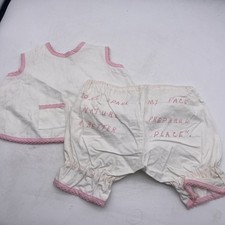
A more formal account emerged from Brentford Secondary Modern School, where, according to a contemporary newspaper report, two fifteen-year-old girls complained to their parents after being caned by headmistress Miss Irene Prebble. The girls had reportedly refused to wear regulation knee-length gym knickers during a physical education lesson. Education officials later stated that the punishment had been administered not for the uniform dispute itself, but for what was described as “open insolence” towards the headmistress.
These recollections provide a striking portrait of a period in British education when corporal punishment was commonplace and broadly accepted by school authorities. Although such practices would later be abolished and widely condemned, they remain a vivid and often controversial aspect of many former pupils’ memories of school life in post-war Britain.