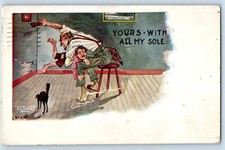
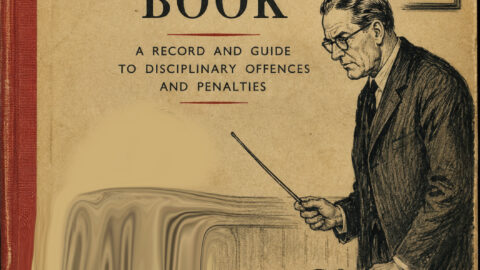
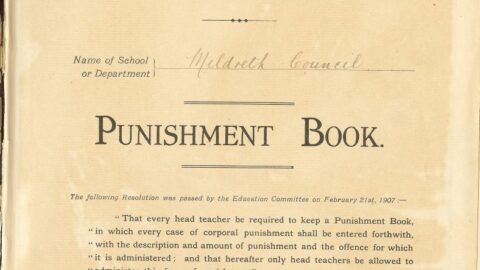
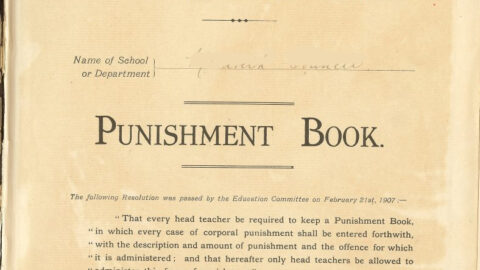
The following accounts, drawn from former pupils’ recollections of schools across England and Wales, illustrate the strict disciplinary atmosphere that prevailed in many schools during the post-war decades. Corporal punishment, administered by teachers and senior staff, was at that time widely regarded as an acceptable means of maintaining order and discipline.
At Eastbourne School in Darlington, one former pupil recalled receiving the cane from Mrs Knight. At Edgbaston Church of England College in Birmingham, another remembered Mrs Soan administering corporal punishment to pupils.
A former pupil of Elliott Durham Comprehensive School in Nottingham recalled that, during her first week at the school, she was caned by the deputy headmistress, Mrs Fogg, for writing on a wall outside the school building.
At English Martyrs School in Consett, one former pupil, who attended between 1970 and 1975, described frequent punishments from Miss Smith and recalled in particular the severity of the music teacher’s discipline.
Former pupils of Exeter Secondary School in Stamford also recounted experiences of corporal punishment. One remembered being caned after being found in an area of the playground where smokers congregated. Another recalled an entire fifth-year class receiving the cane for entering an out-of-bounds area. A third spoke warmly of Mrs Morgan, despite having received the cane on several occasions for chewing gum in class.
At Fairfax School in Sutton Coldfield, a former pupil remembered receiving the slipper from Mr Crowther. Meanwhile, at Fairfax Community School in Bradford, one recalled being caned for using the wrong staircase shortly after the school first opened under Headmaster Mr Fennell.
At Ferndale Comprehensive School in South Wales, a former pupil remembered a teacher nicknamed “Kong”, who once administered the cane for wearing platform shoes.
Several recollections came from Frecheville School in Sheffield. One former pupil remembered a strict music teacher who punished her for throwing snowballs, while another recalled Miss Green administering the cane during assembly for poor posture.
At Frederick Gent School in Alfreton, one pupil remembered receiving the slipper from Miss Bacon on several occasions.
A former pupil of Gateacre Comprehensive School in Liverpool recalled that Mrs Bernicoff, the year head, administered the cane after a minor disturbance involving talcum powder.
At George Eliot Community School in Nuneaton, former pupils remembered Mrs Shannon and Mrs Matthews, the latter a strict music teacher known for her frequent use of the cane. Another recalled receiving corporal punishment from both Mrs Thompson and another particularly feared member of staff.
At George Tomlinson School in Bolton, one former pupil vividly remembered Miss Short and the black ballet slipper she used for punishment.
Former pupils of Gleadless Valley School in Sheffield remembered a diminutive but formidable headmistress skilled in administering the cane. Another recalled being punished three times by Miss Johnson after the plants she had been assigned to care for died.
At Glen Eyre School in Southampton, one former pupil remembered both Mr Sturgess and Mr Brown, while also recalling several occasions on which Miss Willis administered the cane.
At Glenmoor School in Bournemouth, one pupil remembered Miss Shaw patrolling the corridors during lessons and recalled that only one girl during her time there received the cane before eventually being expelled.
At Golborne Comprehensive School in Warrington, a former pupil recalled receiving the cane from the deputy headmistress, Mrs Freeman.
A former pupil of Gorse Park Girls’ School in Manchester remembered Mrs Tinnsley administering corporal punishment during the mid-1970s.
At Grange Community School in Kettering, one former pupil remembered Mr Cooke and his cane all too clearly. Former pupils of Grange School in Oldham recalled Mrs Butterworth using the strap after a playground fight, while others described teachers standing on chairs in order to administer punishments more effectively.
At Great Marlow School in Buckinghamshire, one former pupil praised drama teacher Pam Moores for listening sympathetically to pupils’ views, although she was also responsible for administering the cane to girls.
A former pupil of Greystones School in Sheffield remembered Miss Hornsey caning her for forgetting a copy of White Fang by Jack London, an incident she claimed remained vivid in her memory fifty years later.
At Halifax Catholic High School, one former pupil recalled numerous visits to Mrs Frane’s office, where the strap was frequently employed. Similarly, at Halifax High School, a former pupil described being caned by the deputy headmistress after leaving school grounds without permission during the school day.
A former pupil of Halyard Secondary Modern School in Luton remembered Miss Fenn administering the cane for even relatively minor infractions.
At Hampton Park School in Southampton, several former pupils recalled receiving either the cane or the slipper for offences ranging from shoplifting sweets to practical jokes involving prefects’ clothing. One remembered receiving “six of the best” with a slipper after being summoned to the headmaster’s office, while another vividly recalled the experience of being punished with Mrs Lawley’s famous plimsoll shoe.
These recollections offer a striking insight into a period in British educational history when corporal punishment formed a routine part of school discipline, long before such practices were abolished in state schools during the 1980s.