There was always a curious science to the school cane — a grim arithmetic known intimately by generations of schoolboys and understood instinctively by experienced headmasters. Among boys who had endured it, one question was often debated in whispers afterwards: was there meant to be a pause between strokes? Did the headmaster wait for the sting to properly arrive before delivering the next cut, or was the punishment intended as a rapid succession of blows administered without interruption?
Anyone who experienced the cane remembers the peculiar delay. The first sensation was often shock — the sharp crack of rattan across cloth and flesh — followed two or three seconds later by the true burning agony as the sting spread deeply across the buttocks. That interval, brief though it was, seemed to distort time itself. Some masters appeared to understand this perfectly, pacing the punishment with calculated precision, while others delivered the prescribed strokes briskly, as though determined simply to complete the formal duty.
My own headmaster belonged firmly to the first category. He was an exceptionally experienced wielder of the cane and possessed an unnerving understanding of both timing and effect. Looking back, I have often wondered where such men learned their methods. Was there, somewhere in the old teacher training colleges, an unspoken tradition handed down from senior masters to younger ones? Or did these men simply inherit their technique from their own schooldays — former victims who, in adulthood, refined what they themselves had once endured?
I have long suspected that the answer was a combination of all three: professional imitation, personal memory, and years of practice. A seasoned headmaster knew not merely how to strike, but how to control the entire ritual surrounding the punishment. The caning itself was only one element in an ordeal carefully designed to impress authority upon the schoolboy mind.
I was caned six times during my years at school, and every one of those punishments was administered personally by the Headmaster. Though the strokes themselves were painful enough, it is the atmosphere surrounding the event that remains most vivid in memory even now.
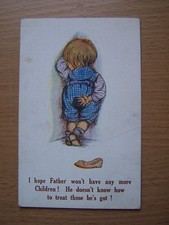
The first occasion remains etched in extraordinary detail. I was instructed to wait outside the Headmaster’s study along with several other boys due for punishment. We stood in silence facing the wall, hands clasped on our heads — a humiliating posture intended, no doubt, to reinforce submission before a single stroke had even been delivered.
There were two boys ahead of me. When the first was summoned into the study, the heavy door closed behind him and all that remained were the sounds. Even now I can recall them clearly: the swish of the cane cutting through the air, followed by the unmistakable crack as it landed across the boy’s backside. Between strokes came muffled cries of pain and the stern voice of the Headmaster instructing him to “bend lower and touch your toes properly.”
When that boy emerged, red-faced and tearful, the next was called in. Once again came the dreadful rhythm — swish, crack, gasp — punctuated by orders to resume the punishment position after attempts to straighten or rub the afflicted area.
Then came my turn.
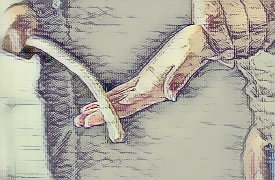
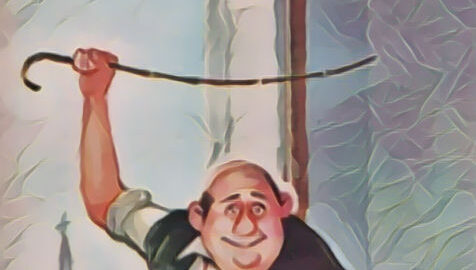
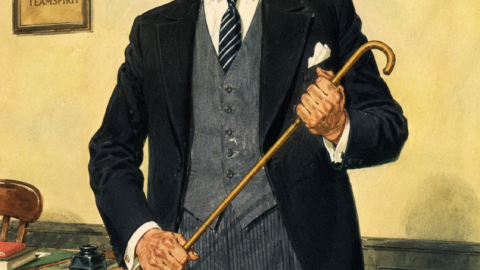
The Headmaster stood behind his desk holding the cane with an almost ceremonial calmness. Before beginning, he flexed the rattan several times, testing its suppleness with slow deliberate movements. The gesture alone was intimidating. He ordered me to bend over and touch my toes, and as I obeyed I could hear him walking behind me, lightly swishing the cane through the air.
What followed seemed almost ritualistic. He lined the cane carefully against my seat as though measuring the target area, then tapped my backside three times with the tip before announcing, in a measured voice, that I would receive four strokes.
The punishment was delivered with remarkable control. There was a pause of perhaps three or four seconds between each stroke — just enough time for the sting of the previous cut to bloom fully before the next arrived. By the second stroke I instinctively sprang upright to rub my bottom, only to be sharply ordered back down to touch my toes once more. Barely had I resumed position before the next cut landed.
The pain intensified rapidly with each stroke. What made the experience so memorable was not simply the severity of the caning, but the headmaster’s composure throughout it all. There was no anger in his manner, no loss of control. He administered the punishment with the calm efficiency of a man performing a duty he had carried out many times before.
When finally dismissed from the study, I emerged shaken and sore, painfully aware of every movement of my clothing against the raised welts beneath. During the journey home that afternoon I remained standing for the entire train ride, convinced that sitting down would have been unbearable.
Such punishments belonged to another age — an era when discipline in many British schools was inseparable from ceremony, fear and physical pain. Yet for those who experienced it, the memory of the cane was rarely confined merely to the strokes themselves. It was the waiting outside the study, the sounds heard through the door, the measured authority of the headmaster, and the dreadful anticipation between one stroke and the next that lingered longest in the mind.