The year was the late 1940s, a time when the world was still piecing itself back together after the war. Our little house in Liverpool stood quietly on a street lined with similar brick homes, each with its own patch of green. The air was filled with the scent of cut grass and the distant, comforting aroma of coal smoke drifting from chimneys. That afternoon, the sun was warm and golden, painting everything in a gentle, honeyed light. I remember the way the breeze rustled the leaves, and the distant laughter of children playing somewhere down the road.
My parents, both weary from the demands of daily life, had found a rare moment of peace. They sat side by side in their old wooden deckchairs, faded cushions beneath them. Dad, with his wire-rimmed spectacles perched on his nose, was half-hidden behind a newspaper, occasionally peering over the top to glance at the world. Mother, elegant even in her simple house dress, cradled a chipped teacup in her hands, her eyes half-closed as she savored the warmth. I felt a sense of safety seeing them there, their presence a quiet anchor in my small world.
The garden was my kingdom. At the far end, a modest flower bed burst with color—pale pinks, deep purples, and cheerful yellows. The petals glistened with dew, and the earth was soft beneath my bare feet. I remember crouching down, the hem of my dress brushing the damp grass, and breathing in the sweet, earthy perfume of the blooms. I wanted, more than anything, to make my mother smile. I’d seen other girls present their mothers with bouquets, and the thought filled me with excitement and pride. So, with careful hands, I picked the brightest flowers, gathering them into a messy, vibrant bunch.
My heart fluttered as I walked back across the lawn, the sun warming my back. I imagined Mother’s face lighting up, her arms opening to pull me close. But as I held out the flowers, her expression changed in an instant. The gentle lines of her face hardened, her eyes darkening with anger. Her voice, usually so soft, thundered through the garden as she called me a ‘naughty little girl’. The words stung, sharp and bewildering. I felt my cheeks burn with shame and confusion, my small hands trembling as the flowers slipped from my grasp.
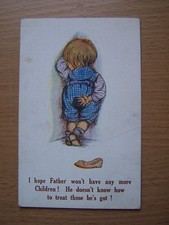
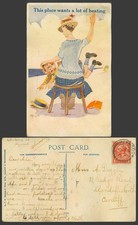
Before I could make sense of what was happening, Mother pulled me across her lap. I remember the rough, scratchy feel of her serge skirt against my bare legs and the cold shock of being so suddenly upended. My heart pounded in my chest, and I could smell the faint scent of lavender from her dress, mingling with the salt of my own tears. The sting of her hand was swift and fierce, each smack echoing in my ears and burning on my skin. I sobbed, not just from the pain, but from the heartbreak of having disappointed her so deeply.
What lingers most in my memory is the overwhelming sense of injustice and bewilderment. I had only wanted to make her happy, to show her my love in the only way I knew how. Instead, I felt small and foolish, my good intentions turned to dust. Yet, after the storm had passed, Mother gathered me into her arms, her voice soft again as she rocked me gently. I pressed my face into her shoulder, breathing in her familiar scent, and let the last of my tears soak into her dress. She held me until my sobs faded, and then, with a kiss on my forehead, she led me inside for my afternoon nap.
Looking back now, I understand more than I did then. The war had left its mark on everyone, and rationing was still a daily reality. Our garden, though beautiful, was more than a place for play—it was a lifeline, a source of precious food for our family. Mother’s reaction, harsh as it seemed, was born of fear and necessity. She worried that if I wasn’t taught quickly, I might one day pull up the vegetables or fruit we so desperately needed. Still, the memory of that day lingers, a bittersweet reminder of innocence, love, and the complicated ways we try to protect the ones we care for.