The early 1960s in our Scottish council estate were a world of grey skies, echoing stairwells, and the constant hum of life behind thin walls. The air always seemed tinged with the scent of boiled cabbage and laundry soap, and the clatter of children’s feet on concrete was as familiar as my own heartbeat. But beneath the ordinary rhythms of our days, there was a shadow that haunted my childhood: the dreaded caning.
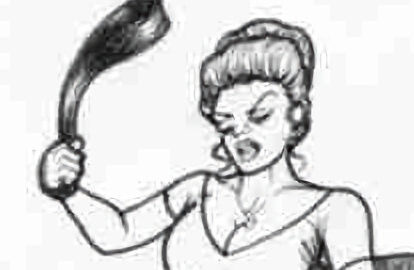
(short pause) My mother’s rattan cane was a slender, menacing thing, always hanging in plain sight, a silent warning. Its polished surface gleamed under the weak light of our flat, and I swear it seemed to hum with anticipation whenever I passed by. The mere mention of “the cane” would send a cold shiver down my spine, my stomach knotting with dread. I could almost feel the sting before it even began, the memory of red lines and raised welts burning fresh in my mind.
(pause) When Mother announced my punishment, time seemed to slow. My heart would pound in my chest, my hands turning clammy as I shuffled down the narrow hallway, the faded wallpaper closing in around me. The anticipation was its own kind of torture—my bottom clenched tight, my breath shallow, every nerve ending alive with fear. I could hear the distant laughter of children outside, so far removed from the storm brewing inside our flat.
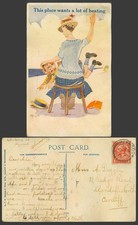
(short pause) The ritual was always the same. I’d be told to bend over the hard wooden chair in the corner of my small bedroom, legs pressed together, bottom jutting out. The chair’s surface was cold against my thighs, and the room seemed to shrink around me. I’d squeeze my eyes shut, bracing for the first strike. Each stroke landed with a sharp, whistling crack, the pain blooming hot and immediate, then settling into a deep, throbbing ache. Mother never rushed—she let the sting of each blow settle before delivering the next, drawing out the agony so I could truly “appreciate” the lesson.
(pause) Mother had her own methods, each more terrifying than the last. The most common was almost clinical: she’d press the cane firmly against my skin, pausing for a heartbeat, then snap her wrist so the cane whipped across the width of my bottom. The sound was a sharp, air-splitting swish, followed by the searing pain that made me flinch and squirm, desperate to escape but knowing I couldn’t.
(short pause) The second style was worse. She’d raise her arm high, the cane poised above me, and bring it down perpendicular to the floor. The cane would whistle through the air and slice into my flesh, the impact so fierce I’d grunt in pain, my body jolting with each blow. The marks left behind were angrier, deeper, and seemed to burn for hours.
(pause) But the third method was the one I feared most. Here, Mother would swing the cane at a 45-degree angle, targeting the far edge of my bottom—just below the hip, where the flesh is tender and the pain is sharpest. These strokes always landed on my right side, as she was right-handed, and the agony was excruciating. The cane would bite into the spot where my bottom met my thigh, leaving a welt that throbbed for days, a cruel reminder every time I sat down or shifted in bed.
(short pause) The aftermath was always the same. I’d collapse onto my bed, face buried in my pillow, tears soaking the fabric as I tried to muffle my sobs. The wallpaper’s faded patterns blurred through my tears, and the muffled sounds of my siblings in the next room felt impossibly distant. My skin would burn and throb, each movement a fresh jolt of pain. Sometimes, I’d hear my sister’s worried voice on the stairs, or catch the sympathetic glance of a neighbour the next day, but no one ever spoke of it.
(pause) Meals were the worst after a caning. I’d shift uncomfortably at the dinner table, trying to find a position that didn’t send a jolt of pain through my backside. My mother would watch me with a stern, unreadable expression, as if daring me to complain. The lesson was always clear: discipline was to be endured, not questioned.
(short pause) Looking back, I can still feel the sting, both physical and emotional. My mother was strict—unyielding, even—but in her own way, she believed she was shaping me, forging me into someone strong and obedient. The canings left their marks, not just on my skin, but deep inside, woven into the fabric of my childhood memories. And though I survived them, the echoes of those days linger, a reminder of the price of growing up in that time and place.