(gap: 2s) In the heart of the Kentish countryside, where the hedgerows were thick with primroses and the air was sweet with the scent of coal smoke, there stood a little red-brick cottage. It was here, on a Sunday morning, that our story begins, as all good stories do, with a lesson to be learned and a heart to be mended.
(short pause) The cottage belonged to Mrs. Lin, a lady of gentle bearing and wise, watchful eyes. Her hair was as black as a raven’s wing, and her smile, though rare, could light up the gloomiest of days. Mrs. Lin’s daughter, Mary, was a quiet, thoughtful child, always careful to say “please” and “thank you,” and never one to make a fuss.
(pause) Mrs. Lin, being a mother of the old school, believed that children must be guided with a firm hand and a loving heart. “Spare the rod and spoil the child,” she would say, quoting the old proverb, and in her home, rules were as clear as the morning sky after a rain. There was to be no dawdling, no untidiness, and certainly no cheek.
(short pause) Each day, Mary polished the brass, folded the laundry, and swept the hearth until it shone. Her schoolbooks were always neat, her sums correct, and her essays written in a careful, looping hand. Mrs. Lin would sit beside her, ruler in hand, ready to guide or correct as needed.
(pause) But, as all children do, Mary sometimes forgot herself. One Sunday, after a morning of chores, she grew cross and stamped her foot, refusing to tidy her room. Mrs. Lin’s eyes grew stern, and she led Mary by the ear to her little bedroom, where the sunlight danced on the faded wallpaper.
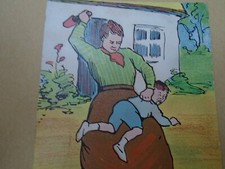
(short pause) “Mary,” said Mrs. Lin, “you know the rules. Disobedience must be corrected, for your own good.” With that, she removed her slipper—a sturdy, well-worn thing—and bade Mary lie across the bed. Mary braced herself, clutching her stuffed rabbit, as her mother delivered six firm smacks to her backside. Each one stung, but Mrs. Lin’s hand was steady, and her voice never rose in anger.
(pause) When it was over, Mary’s eyes were bright with tears, but she did not cry out. She knew, as all good children did, that punishment was given out of love, to help her grow into a kind and upright young lady. Mrs. Lin sat beside her, smoothing her hair and whispering, “I love you, my dear, but you must learn to do what is right.”
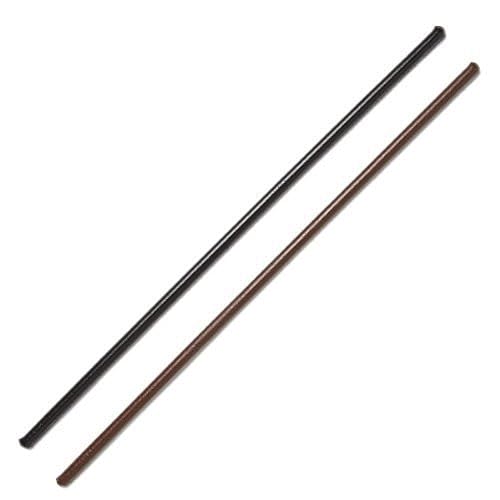
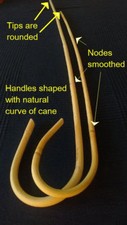
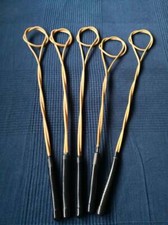
(short pause) Sometimes, when the mischief was more serious—a fib told, or a chore left undone—Mrs. Lin would fetch the rattan cane from the high shelf in the utility closet. The cane was reserved for the gravest offences, and its very presence was enough to keep Mary on her best behaviour. On those rare occasions, Mary would be called to the parlour, told to bend over, and given a measured number of strokes. The marks would sting, but the lesson would last.
(pause) Afterwards, Mary was always sent to her room to reflect. She would lie face down on her bed, the red marks a silent reminder of her mother’s care. Through the thin walls, the gentle sounds of the village would drift in—the laughter of children, the distant chime of the church bell—and Mary would think about how she might do better next time.
(short pause) Before every outing, Mrs. Lin would kneel and look Mary in the eye. “Remember your manners, and mind your tongue,” she would say, her voice soft but firm. Mary would nod, her heart full of hope and a little fear, determined to make her mother proud.
(pause) Even in public, Mrs. Lin’s discipline was never far away. The wooden ruler, tucked in her handbag, was a constant companion. If Mary forgot herself, she would be taken aside and given a swift, quiet smack—a gentle reminder that rules must be followed, wherever one might be.
(short pause) Yet, for all her strictness, Mrs. Lin’s love for Mary was as deep as the sea. Each night, she would tuck Mary into bed, smoothing her hair and telling stories of her own childhood in faraway lands. Mary adored her mother, following her from room to room, eager for a smile or a word of praise.
(pause) The little cottage was always filled with the sounds of learning—the scratch of pencils, the turning of pages, and the gentle murmur of encouragement. Mary grew strong and capable, her spirit shaped by her mother’s steady hand. Though the punishments were sometimes severe, they were always given with care, and Mary knew she was loved.
(short pause) Sometimes, after a caning, Mary would sob quietly into her pillow, but Mrs. Lin would always come to comfort her, holding her close and reminding her that she was cherished. Mary would dry her tears and resolve to do better, her heart full of hope.
(pause) In the evenings, after Mary was asleep, Mrs. Lin would sit by the fire, sipping tea and reflecting on the day. She wondered if she was too strict, but she knew in her heart that she was doing what was best for her child. For discipline, when given with love, is the surest way to raise a child who is kind, honest, and true.
(short pause) And so, in that little Kentish cottage, on those long-ago Sundays, Mary learned the lessons that would guide her all her life. She grew into a fine young woman, her spirit tempered but never broken, and her heart full of love for the mother who had taught her right from wrong.
(pause) The moral of our story, dear children, is this: Obedience and respect are the roots from which all good things grow. A mother’s discipline, though sometimes stern, is always given with love, and every lesson learned is a step towards becoming the best person one can be. (long pause) And so, let us remember, as we go about our days, to be kind, to be diligent, and to always do what is right.