(gap: 2s) Once, in the gentle years of my childhood, when the world was bright and the days seemed to stretch forever, I lived in a little Kentish village where red-brick cottages huddled close and the air was sweet with the scent of wild primroses. The village green was our kingdom, and we children, clad in hand-me-down jumpers and sturdy corduroys, played from dawn till dusk beneath the watchful eyes of our mothers, who gathered by the grocer’s shop to share news and laughter.
Among my companions, none was dearer than Biju, a boy whose eyes sparkled with mischief and whose heart brimmed with adventure. Together, we made grand games from the simplest treasures—a battered football, a length of string, or a secret message scrawled on a scrap of paper. Biju’s laughter rang out like a bell, and though his pranks sometimes led us into trouble, his spirit was always kind.
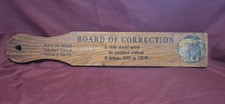
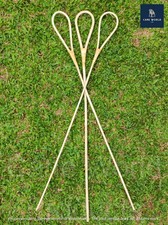
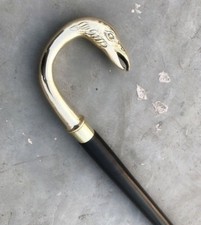
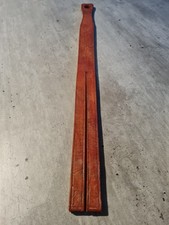
In those days, it was believed that a child’s heart, like a young sapling, needed careful tending and, at times, a firm hand. Biju’s mother, a woman of upright character, kept a slender cane hanging by the parlour door, its presence a silent promise of discipline. When Biju’s high spirits carried him too far—be it a fib, a broken vase, or a quarrel with a neighbour—his mother would call him to her side, her voice gentle but resolute.
The scene was always much the same, as if drawn from the pages of a well-loved storybook. Biju, head bowed, would stand before his mother in the tidy parlour, the coal fire crackling softly. She would explain, in clear and measured tones, the nature of his mischief, her words weaving a lesson as old as time. Then, with a steady hand, she would administer several brisk strokes to his legs or arms. The cane made a sharp, unmistakable sound, and though Biju tried to be brave, tears would spring to his eyes. Afterwards, he was sent to his room to reflect, the sting of the cane a reminder of the lesson learned.
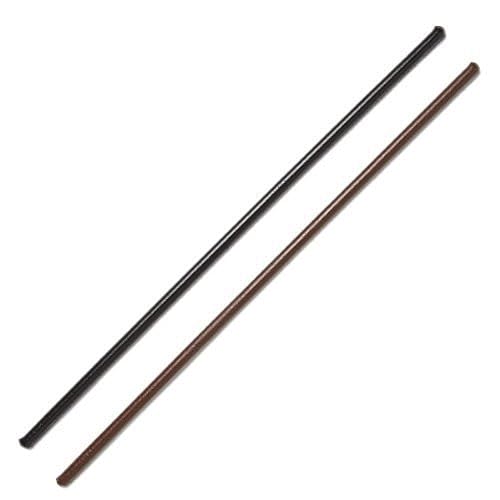
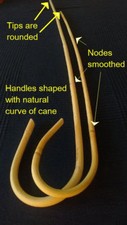
My own mother, inspired by the example set above, soon adopted similar ways. I remember the day she returned from the market, her basket brimming with fresh bread and, tucked beneath, a pair of new canes bound with red thread. She hung them by the kitchen door, where all could see. “A good mother,” she would say, “must guide her children with love and firmness. The cane is not a weapon, but a tool to help you grow straight and true.”
Our home was small and neat, with faded curtains at the windows and the comforting scent of coal smoke in the air. There was little room for secrets, and even less for mischief. If I neglected my chores or brought home a poor mark from school, my mother would take me gently by the ear and lead me to my room. There, she would speak to me in a voice both kind and unwavering, explaining my fault before giving me a sound spanking with the cane or her slipper. The pain was sharp, and the marks would linger for days, but it was the sense of shame and the hope to do better that stayed with me longest.
“These stripes,” my mother would say, smoothing my hair as I wept, “are not given in anger, but in hope that you will grow into a good and honest boy.” At night, I would lie awake, tracing the welts on my skin, and promise myself to try harder. Sometimes, I wondered if Biju, in his room above, was making the same silent vow.
Despite the frequent spankings, or perhaps because of them, Biju and I became the closest of friends. We shared our secrets and our sorrows, and comforted one another after a scolding. On many an evening, we would sit together on the stairs, our legs dangling, and whisper that, when we were grown, we would be gentle with our own children. Yet, deep down, we understood that our mothers’ discipline was born of love and a wish to see us flourish.
In those days, all the mothers of our village believed that a firm hand was needed to guide children along the straight and narrow path. They would gather by the green, exchanging tales of mischief and the ways they kept their little ones in check. There was a sense of unity in these conversations, and a shared belief that discipline, though sometimes stern, was an act of devotion.
My mother’s reasoning was simple and steadfast. She wished to raise a son who was honest, diligent, and kind. She feared that, without proper correction, I might grow idle or ungrateful. And so, like Biju, I learned to accept the cane as a part of childhood—a necessary trial on the road to becoming a good and worthy person.
Now, as I look back upon those golden days, I see that the spankings and scoldings were not merely punishments, but lessons in self-control, humility, and forgiveness. The marks have long since faded, but the lessons remain. Biju and I are grown now, our mothers grown old, but the bonds of friendship and the wisdom of those years endure. Our mothers, though separated by time and distance, still speak fondly of the days when we were boys, and I, too, am grateful—for their guidance, their love, and the gentle firmness with which they shaped our lives.