Once upon a time, in the heart of a busy city, there lived a little girl named Marla. She lived with her family in a row of red-brick houses, each with a tiny patch of garden out front, where daisies and dandelions grew wild and the air was always filled with the scent of boiled cabbage and coal smoke. The streets rang with the laughter of children in hand-me-down jumpers, and mothers gathered by the lamppost to share the news of the day.
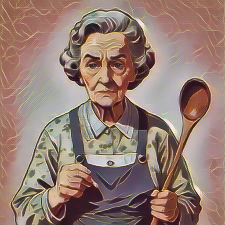
(short pause) In those days, children were expected to mind their manners and do as they were told. If a child was naughty, a gentle but firm lesson was sure to follow. Marla’s mother, Mrs. Brown, had her own special way of teaching right from wrong. While some mothers might threaten, “Wait until your father gets home!” or deliver a quick smack, Mrs. Brown believed in a more thoughtful approach.
(pause) In the Brown household, the sound of the hot water tap was a sign that a lesson was about to be learned. The tap, old and noisy, sat at the top of the stairs in the chilly bathroom. It was a rare luxury, for most neighbours still boiled kettles for their baths. When the pipes rattled and the water gurgled, Marla knew she must have done something wrong—perhaps tracking mud through the parlour or sneaking a biscuit before tea.
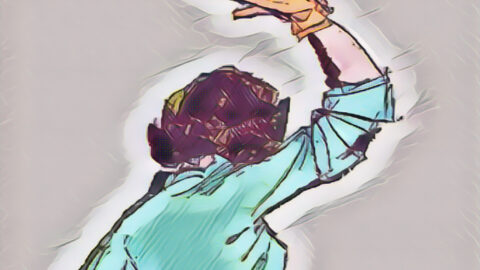
(short pause) Mrs. Brown’s hands were often sore from years of hard work and thin gloves in winter. She would let the hot water run over her fingers, sighing softly as the warmth eased her aches. “It takes the sting out, love,” she would say, smiling gently at Marla before rolling up her sleeves to begin the day’s chores.
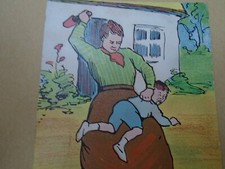
(pause) But when Marla heard the tap at an odd hour, her heart would flutter. She would tiptoe up the stairs, her boots scuffing the worn lino, and find her mother waiting on the edge of the bed. Mrs. Brown’s palm, pink and warm from the water, would rest on Marla’s shoulder. “Come here, dear,” she would say, her voice kind but firm. Marla would lie across her mother’s lap, feeling the scratch of wool and the faint scent of carbolic soap. The spanking was never harsh, but it was enough to remind Marla to be good. Sometimes, Mrs. Brown would say, “This hurts me more than it hurts you, my girl,” and Marla would wonder how that could be, but she trusted her mother’s words.
(short pause) If Mrs. Brown’s hands were especially tired, Mr. Brown might step in, his voice deep and steady. “We mustn’t make work harder for your mother,” he would say, and Marla and her brother Jimmy would nod solemnly, learning that kindness and respect were important in their home.
(pause) After the lesson was over, Mrs. Brown would always gather Marla in her arms, brushing away her tears and offering a cup of sweet tea. They would sit together by the fire, the radio humming softly, and Mrs. Brown would stroke Marla’s hair. “You’ll thank me one day, love,” she would whisper. “The world is not always gentle, but you must be strong and good.”
(pause) Now, many years later, Marla remembers those days with a warm heart. The sound of an old boiler, the taste of lumpy porridge, and the comfort of a patched eiderdown all remind her of home. She knows now that her mother’s lessons, though sometimes stinging, were given with love and care.
(long pause) And so, dear children, remember: love can be gentle or firm, but it always wishes the best for you. The lessons we learn, even the ones that make us cry, help us grow into kind and brave people. And that is the greatest gift a mother can give.