(gap: 2s) Once, many years ago, in a time when the world seemed to move at a gentler pace and the air was thick with the scent of coal smoke and wildflowers, I found myself sent away from the familiar bustle of my parents’ home to stay with distant relatives in the countryside. It was the late 1960s, but the sleepy village of Chailey in Sussex felt as though it belonged to a much earlier era—one where the days stretched long and golden, and the evenings were filled with the soft glow of lamplight and the gentle hum of crickets in the hedgerows.
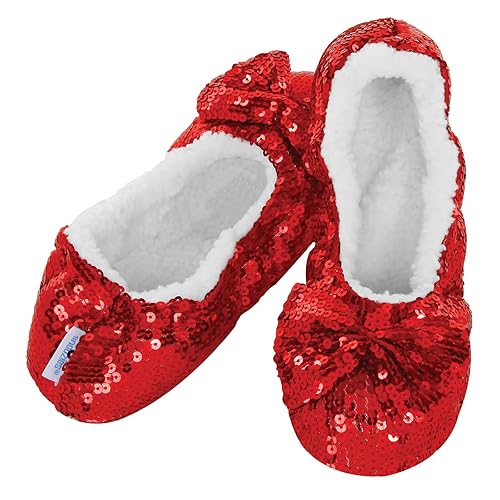
I arrived with my battered suitcase, my best Sunday manners, and a heart fluttering with both excitement and trepidation. The house itself was a picture of country orderliness: polished wooden floors that creaked underfoot, a grandfather clock in the hallway that ticked with solemn authority, and windows that looked out over a garden brimming with hollyhocks, foxgloves, and the occasional curious robin. The air inside was tinged with the comforting aroma of baking bread and lavender polish. There were two girls in the family: Georgina, who was just my age, with a tumble of chestnut curls and a mischievous twinkle in her eye, and her older sister Diane, who carried herself with the quiet dignity of someone who had already seen a little more of the world. But the true centre of the household was Aunt Mary—a sturdy, broad-faced woman with sensible shoes, a crisp apron, and a gaze as sharp as a hawk’s. Some in the village called her a plain country bumpkin, but to us, she was the very heart of home. She ruled the house with a rod of iron—or, more often, a well-worn rubber-soled slipper that hung by the kitchen door, a silent sentinel and a promise of order.
Aunt Mary’s authority was as steady as the rising sun. She was not one for fuss or frills, and her word was law from the moment the first kettle whistled in the morning until the last embers faded in the grate at night. She had a way of keeping the household running like a well-oiled machine, her sharp eyes missing nothing, her voice brisk and clear as a bell on a frosty morning. If a child dawdled or a chore was left undone, Aunt Mary would appear in the doorway, slipper in hand, and with a single look, set things right. She believed in discipline, but never in anger—her methods were firm, fair, and always for our own good. There was a certain comfort in the predictability of her rules, a sense that the world was safe and orderly so long as Aunt Mary was at the helm.
There were no men in the house, which struck me as unusual, for in those days, fathers and grandfathers were often the heads of the household, their voices booming from the parlour or the garden shed. But here, Aunt Mary managed everything with a quiet, unyielding strength, and the home ran as smoothly as a clock wound by loving hands. Even Mrs. Fairchild, her sister, deferred to her judgment, and the children—Georgina, Diane, and I—knew better than to test her patience. The absence of men lent the house a certain softness, a gentle rhythm that was both comforting and strange to my city-bred sensibilities.
I tried my best to fit in, eager to please and anxious not to make a nuisance of myself. I helped with chores—fetching water from the pump, gathering eggs from the henhouse, and polishing the brass doorknobs until they gleamed. I minded my p’s and q’s, remembered to say “please” and “thank you,” and tried not to let my city ways show too much. Yet, there were moments when I felt a little lost among the unfamiliar country customs, the strange dialects, and the endless fields that seemed to stretch on forever. Still, there was a quiet magic in those days, a sense of belonging that grew with each passing hour.
One bright Saturday, the sun rose in a sky as blue as a robin’s egg, and the air was alive with the promise of adventure. Georgina, newly proud of her driving licence, was allowed to take her father’s Morris Minor to the village shops, and I was invited along for the ride. The little car, with its cheerful chug and polished chrome, seemed to purr with excitement as we set off down the winding lane, past hedgerows thick with brambles and wild roses. The village was bustling with life: shopkeepers calling greetings from their doorways, children skipping rope on the green, and the sweet, yeasty smell of fresh bread wafting from the bakery. We lost track of time, laughing over bottles of pop, peering at the latest records in the window of the music shop, and sharing secrets as only children can. When we finally returned, the sun was already dipping low behind the trees, painting the sky with streaks of gold and rose, and we were more than an hour late.
As we pulled up the gravel drive, the front door opened with a slow, ominous creak, and there stood Aunt Mary, her apron crisp, her brow furrowed in a way that made my heart sink. She did not shout—Aunt Mary never needed to raise her voice—but her words carried the weight of a church bell tolling in the stillness. “Children, come inside at once.” My heart thumped in my chest like a trapped bird, and Georgina’s eyes grew wide with worry, her earlier bravado melting away in an instant.
We followed her into the parlour, where the air was warm from the fire and the faint sound of a radio drifted in from next door. The room was a haven of comfort: faded floral curtains, a patchwork rug, and the gentle tick-tock of the clock on the mantelpiece. Aunt Mary sat down in her favourite chair, the one with the worn arms and the cushion that always smelled faintly of lavender. She looked at us both, her eyes kind but unwavering. “You know the rules,” she said quietly, her voice as steady as the tide. “When you are trusted with responsibility, you must be honest and return on time. Today, you have both forgotten that.”
Georgina’s lip trembled, and she promised, “We’re ever so sorry, Aunt Mary. It won’t happen again.” But Aunt Mary shook her head gently, her expression softening just a little. “It is important to learn from our mistakes, my dear. Sometimes, a lesson must be remembered.” There was no anger in her voice, only a deep, abiding care—a desire to see us grow into good, honest people.
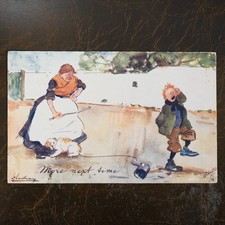
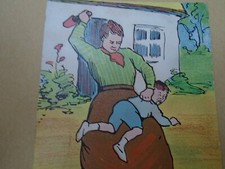
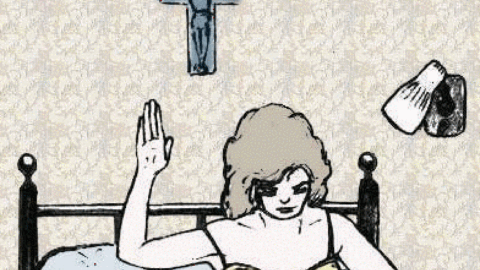
(pause) The parlour was hushed, the only sound the steady tick-tock of the clock and the faint crackle of the fire. The curtains glowed softly in the afternoon light, and the air was tinged with the scent of tea and coal. Aunt Mary’s face was kind but resolute, her eyes gentle yet unwavering. “Georgina, come here, please,” she said, her voice as calm as a summer’s day. Georgina, cheeks flushed and hands clasped tightly, stepped forward bravely. With a mother’s steady hand, Aunt Mary guided her niece across her lap, just as mothers had done for generations. The house slipper, worn but sturdy, was raised with purpose. There was a sharp, quick smack—then another, and another—each one echoing softly in the room. Georgina gasped, her eyes wide with surprise, but she did not cry out. Aunt Mary spoke gently with each stroke: “This is to help you remember, my dear. We must always do what is right, even when it is hard.” When it was over, Georgina was set gently on her feet, her eyes shining with unshed tears, her dignity intact. Diane gave her a warm, sisterly hug, and Georgina stood quietly by the wall, learning the value of courage and honesty. The lesson was not just in the sting, but in the love that wrapped around her like a warm blanket, reminding her that she was cherished, even in her mistakes.
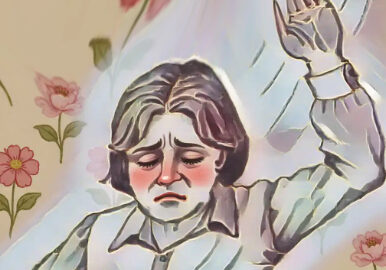
(pause) Then it was my turn. My heart fluttered like a caged bird, and my knees felt as wobbly as jelly. Yet I remembered what my own mother had always said: “A brave boy faces the music.” Aunt Mary beckoned me with a kind smile. “You are a good boy, but you must learn to respect the rules,” she said, her voice gentle but firm. I nodded, swallowing hard, and allowed myself to be guided over her lap. The slipper landed with a smart sting—one, two, three—each one a reminder that actions have consequences. I bit my lip, determined to be brave, and though my eyes prickled, I did not shed a tear. The warmth on my backside was sharp but not cruel, and I knew in my heart that this was not anger, but love guiding a lesson. When it was done, Aunt Mary helped me up, patted my shoulder, and said, “There now, all is forgiven. Let us have some tea and put this behind us.” I felt a little sore, but lighter, as if a cloud had passed and the sun was shining once more. The room seemed brighter, the fire warmer, and the world a little kinder for the lesson learned.