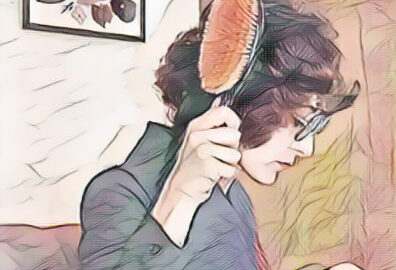
(gap: 2s) Once, in the gentle hush of a North Wales Sunday, where the valley mists curled like old stories around slate rooftops and the air was thick with the scent of coal smoke and wild daffodils, there lived a boy named Morten. He was a sensible lad, with earnest brown eyes and a mop of hair forever in need of a comb, and he bore the proud, weighty title of eldest among three. In those days, such a title was not merely a matter of age, but a solemn charge: to set the standard, to mind the rules, and to shepherd his younger brother and sister with a steady hand and a kind heart.
The village itself was a tapestry of sound and colour—children’s laughter echoing along cobbled lanes, the distant bleat of sheep on the hills, and the comforting clatter of teacups from parlour windows. On this particular Sunday, the Evanses, who had seen fifty years of marriage and as many Eisteddfods, were to be honoured at chapel. The grown-ups, dressed in their best, gathered for a church brunch, leaving the children to their own devices. Before departing, Mother, her hands warm and flour-dusted, knelt to Morten’s level. “You are in charge, bach,” she said, smoothing his hair with a tenderness that smelled faintly of lavender and starch. “See that your brother and sister are fed, and that your little sister has her nap. I trust you, my darling.”
At first, the house was alive with the simple joys of childhood. The three children, cheeks rosy from the morning’s chill, devoured their sandwiches and milk at the scrubbed kitchen table. The air was filled with the buttery scent of toast and the faint, tinny strains of a male voice choir from the neighbour’s radio. Morten’s brother, a wiry boy with a mischievous glint, told stories of dragons and daring, while their little sister, curls bouncing, giggled and clapped her hands. For a moment, the world was as bright and orderly as a row of daffodils in spring.
But when the clock on the mantel chimed for the little one’s nap, the mood shifted. Morten’s sister, spirited as a spring lamb and twice as stubborn, refused to rest. Four times she slipped from her bed, her small feet padding across the cold linoleum, and four times Morten, with all the patience he could muster, led her back—softly, as Mother would, whispering gentle promises of barley sugar if she would only be good. Yet on the fourth return, her temper flared. With a suddenness that startled them both, she bit Morten’s arm, her teeth sharp through his wool jumper.
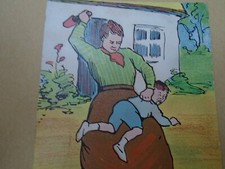
The pain was swift and hot, and Morten’s heart thudded with a mixture of shock and indignation. He felt, for a moment, the heavy mantle of adulthood settle on his shoulders. Remembering the stern ways of grown-ups, he sat on the edge of the iron bed, placed his sister over his knee, and delivered five firm smacks to her bottom. “You must never bite!” he declared, his voice trembling with authority and a trace of regret. His sister’s cries rang out, high and wounded, but at last she stayed in bed, her sobs muffled by the patchwork quilt.
The house, once so lively, now seemed to hold its breath. The air was thick with the scent of tears and the faint tang of liniment from the medicine cupboard. Soon, the front door creaked open, and Mother and Father returned, their voices and footsteps echoing in the narrow hallway. Mother’s sharp ears caught the sound of crying at once. She swept into the bedroom, her eyes searching, her brow furrowed with concern. “Whatever is the matter here?” she asked, her voice both gentle and grave.
Morten, cheeks flushed and eyes downcast, showed the red mark on his arm and explained, haltingly, what had happened. He spoke of the bite, the struggle, and the punishment he had given. Mother listened, her face growing serious, the lines of worry deepening around her mouth.
“Morten,” she said at last, her voice soft but unyielding, “it is not your place to punish your brother and sister. You are old enough to know that discipline is for parents, not children. If your siblings misbehave, you must come to us, and we shall see to it. The burden of justice is not for young shoulders, no matter how well-intentioned.”
She knelt beside him, her hands cool and steady. “Your sister was wrong to bite, and she will answer for it. But you, my boy, must also learn that it is not for you to take matters into your own hands. Now, you and I will wait here and listen, so you may understand.”
Mother entered the bedroom, leaving the door ajar. Morten and his brother sat on the stairs, the hush broken only by the ticking of the clock and the distant bleating of sheep. Through the crack in the door, they heard Mother’s voice, low and sorrowful, as she spoke to their sister about the wickedness of biting. “It is a dreadful habit, and I am most disappointed,” she said, her words heavy with the weight of love and expectation. Then, with a pause, Mother placed the little girl over her knee and gave her four crisp smacks, each one a sharp reminder to be gentle and kind. The little girl’s cries rose, raw and honest, but soon Mother gathered her close, rocking her gently until the sobs faded into hiccups and sighs.
Then came the summons: “Morten, come here, please.” His heart pounded as he entered the room, the familiar wallpaper and threadbare teddy suddenly strange and distant. Mother’s hand was warm but firm on his shoulder as she led him to his own room. “First, I must spank you for punishing your sister without permission. Then, to help you remember, I shall give you the same spanking you gave her.”
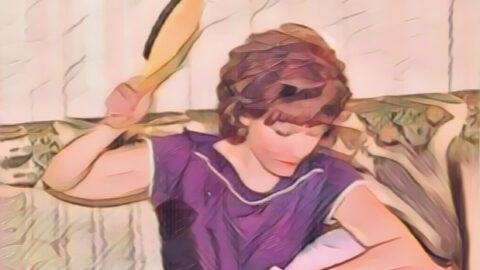
Mother sat on the bed, her face grave but not unkind. She guided Morten gently over her knee, and the room filled with the sound of twelve sound smacks—each one a lesson in patience, humility, and obedience. Though the smacks landed over his trousers, they stung with the sharpness of justice and the ache of disappointment. Morten’s tears came, hot and unbidden, and Mother waited, holding him in place, until his sobs quieted and the storm of feeling had passed.
“Now, Morten,” she said softly, brushing a tear from his cheek, “how many times did you smack your sister?” “F-f-five,” he stammered, his voice small and trembling.
Without hesitation, Mother gave him five more smacks, measured and fair, just as he had given his sister. Morten wept again, but in his heart he knew that Mother’s justice was not cruel, but careful and loving—a lesson as old as the hills outside their window.
When it was over, Mother helped Morten to his feet and drew him into a close embrace. Her arms, strong from years of work and worry, held him until his breathing slowed. “You must stay here and think about what you have learned, my darling. When you are calm, you may come out and join us.”
The house was quiet, the air heavy with the scent of tea and the faint hum of the electric fire. Morten sat on his bed, the sting on his backside a sharp reminder, but his heart lighter for the lesson learned. He listened to the sounds of his family—his sister’s soft sniffles, his brother’s quiet voice, Mother’s gentle footsteps—and felt, for the first time, the true weight of responsibility and the comfort of forgiveness.
From that day on, Morten never again tried to punish his siblings. Instead, he remembered to seek out Mother and Father if there was trouble, and he strove to be patient and kind, even when his brother’s mischief or his sister’s stubbornness tried his temper. The house, with its faded curtains and humming fire, became a place of gentler discipline and deeper understanding.
And so, dear Listeners, let us remember: it is not for us to take the law into our own hands, but to trust our parents to guide us with wisdom and love. Discipline, when given with fairness and a gentle heart, helps us grow into good and thoughtful people. And above all, kindness and patience are the truest marks of a loving family, as enduring as the Welsh hills and as bright as the daffodils in spring.