(gap: 2s) In the heart of a bustling little town, where the air was always tinged with the scent of coal smoke and the distant jingle of the milk float, there lived a girl named Mary. Her home was a modest one, nestled among rows of pebble-dashed houses, each with its own patch of garden and a washing line strung with jumpers and socks. The estate was alive with the laughter of children, the clatter of bicycle wheels, and the gentle hum of mothers’ voices as they swapped stories by the corner shop.
(short pause) Mary was not a girl of grand ambitions or dazzling talents, but she was a steadfast helper and a daughter who tried, with all her heart, to bring a little sunshine into her home. She rose early each morning, the cold linoleum biting at her toes, and helped her mother with the breakfast—cracking eggs, buttering toast, and setting the table with care. Her mother, Mrs. Evans, was a gentle soul, her voice soft as the woolen jumpers she knitted, but she believed firmly in the value of good manners and attentive listening.
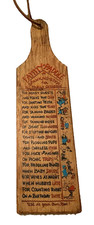
(short pause) In her handbag, Mrs. Evans kept a small wooden paddle, worn smooth by years of gentle use. It was not a thing of anger or threat, but a quiet reminder that every child must learn to heed the wisdom of their elders. Mary knew the paddle well, and though she did not fear it, she respected the lessons it brought.
(short pause) On days when Mary’s mind wandered—when she forgot to tidy her shoes or left her sums unfinished—her mother would look at her with kind, steady eyes and ask, “Do you need a moment to think, dear?” Mary’s heart would flutter, a mixture of worry and understanding, and she would nod, knowing what was to come. The hallway would be hushed, the patterned wallpaper glowing softly in the afternoon sun, and the air would be filled with the faint scent of lavender and polish.
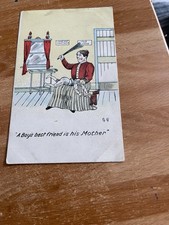
(short pause) Mrs. Evans would take Mary’s hand, warm and reassuring, and lead her to the quietest room in the house. There, the curtains filtered the golden light, and the world seemed to pause. Mary would be placed gently over her mother’s knee, her cheek pressed against the familiar fabric of her mother’s dress, which always smelled of home. The little paddle would rest for a moment on her skirt, and then, with a soft swish and a gentle pat, her mother would deliver a firm, loving spanking. Each tap was measured and calm, never hurried, never harsh. The sound was a gentle rhythm, echoing softly in the stillness. Mary might feel a warm sting, and sometimes a tear would slip down her cheek, but her mother would always gather her close afterwards, smoothing her hair and whispering, “I love you, and I want you to grow up kind and wise.”
(short pause) In those moments, Mary felt a deep sense of comfort, as if the world had righted itself. She would promise to do better, her heart swelling with the knowledge that her mother’s love was as steady as the ticking clock in the hallway. The lesson was never about pain, but about learning—about the importance of listening, of trying one’s best, and of understanding that every action had its consequence.
(short pause) The estate was filled with other children, each with their own stories and lessons. There was Angela, a bright-eyed girl with a ready smile and a mother who kept a small book in which she marked tiny crosses for every forgotten chore or careless word. At the end of each day, as dusk settled over the rooftops and the last rays of sunlight danced on the privet hedges, Angela’s mother would call her into the sitting room. The air would be thick with the scent of tea and the gentle ticking of the mantel clock.
(short pause) Angela would stand by her mother’s knee, her hands clasped tightly, her heart beating fast. For every cross in the book, her mother would gently guide her over her lap, smoothing her dress and tucking a stray curl behind her ear. With a soft, rhythmic motion, her mother would give five gentle spanks—each one a quiet reminder, never more than needed, and always followed by a kind word and a loving hug. Angela’s eyes might glisten, but she always knew her mother’s love was unwavering, a steady beacon in the sometimes confusing world of childhood.
(short pause) Sometimes, as Mary and her friends played hopscotch on the cracked pavement or chased each other through the dandelions, they would hear Angela’s cries—a soft, plaintive sound, quickly soothed by her mother’s gentle voice. The girls would pause, their games forgotten for a moment, and look at one another with understanding. They knew that Angela’s mother loved her dearly, and that every lesson, no matter how difficult, was given with a heart full of hope for the future.
(short pause) Later, Angela would join them, her cheeks rosy and her spirits undimmed. She would laugh about her spankings, saying, “If you think my mother is strict, you should see what Brandy’s mother does when she gets home!” The girls would giggle, their worries forgotten, and the world would seem bright and full of promise once more. Mary understood, even then, that every family had its own way of teaching right from wrong, and that love was always at the heart of every lesson.
(short pause) One winter, when the frost painted delicate patterns on the windowpanes and the air was sharp with the promise of snow, Mary was chosen to help in the school’s Christmas play. The director, a kindly man with a twinkle in his eye and a fondness for peppermint humbugs, carried a switch as a prop for the play. He would sometimes swish it through the air, the sound a gentle whisper, and say, “I wish I could use this to help you children remember your lines!” The children would giggle, their nerves eased by his good humor, but they also remembered to do their best and listen carefully, for they wished to make their families proud.
(short pause) The stage was filled with laughter and the soft rustle of costumes, and Mary felt the warmth of belonging, the gentle guidance of those who cared for her, and the pride of doing her part well.
(short pause) As the years passed, Mary grew older and left the world of plays and stories behind. She went off to college, her suitcase packed with hand-knitted jumpers and the quiet confidence that comes from a loving home. She remembered always to listen, to respect her elders, and to do her best in all things. The lessons of her childhood—delivered with gentle hands and loving hearts—became the foundation of her life.
(long pause) And so, dear readers, remember: when you listen well and obey those who care for you, you will find happiness and peace in your heart, just as Mary did. For every gentle lesson, every loving correction, is a step on the path to kindness and wisdom. The world may change, but the warmth of a mother’s love and the lessons learned at home will always light your way.