(gap: 2s) Once upon a time, in a bright and cheerful home nestled on a leafy Yorkshire lane, there lived a little girl named Mary and her brothers and sister. Their house was always filled with the gentle hum of a milk float in the morning, the scent of fresh-cut grass, and the laughter of children in neat jumpers and polished shoes. The world outside was safe and orderly, and inside, the days were filled with lessons, play, and the gentle guidance of grown-ups who cared deeply for their charges. (short pause) The air in the house was always tinged with the comforting aroma of toast and tea, and the walls echoed with the soft clatter of breakfast plates and the distant chime of the grandfather clock in the hallway.
Mary’s parents, Mr. and Mrs. Brown, were kindly folk who believed in the value of good manners, hard work, and a tidy home. Mr. Brown, with his gentle smile and quiet authority, would read the Yorkshire Post at the breakfast table, while Mrs. Brown, always impeccably dressed, moved through the house with a purposeful grace. They employed a governess, Miss Middleton, who wore crisp blouses and always smelled faintly of lavender. Miss Middleton’s classroom was a sunlit room with polished wooden floors, where the children learned their letters, numbers, and even a little French and Latin. The room was filled with the soft scratch of pencils, the rustle of exercise books, and the occasional giggle quickly hushed by Miss Middleton’s knowing glance.
(pause) Miss Middleton was firm but fair. When Mary or her siblings grew restless, she would tap her wooden ruler gently on her palm, a signal that it was time to pay attention. The sound was never loud, but it carried a weight of expectation. If a child fidgeted or forgot a lesson, Miss Middleton would call them forward. “Hands out, please,” she would say, her voice gentle but resolute. The ruler would come down with a swift, whistling crack—a sharp, stinging line across the palm. Mary would blink back tears, her cheeks flushed with embarrassment and the sting of the ruler, but she always remembered her lessons afterward. The pain was quick, and the lesson clear: to listen, to learn, and to be still when it was time for study. Yet, even in those moments, Mary could sense the care behind Miss Middleton’s discipline—a desire to see her pupils grow into thoughtful, capable people.
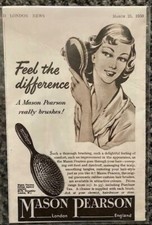
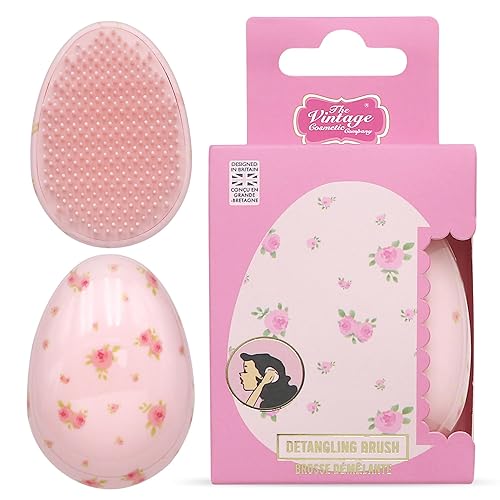
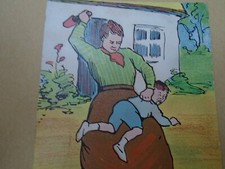
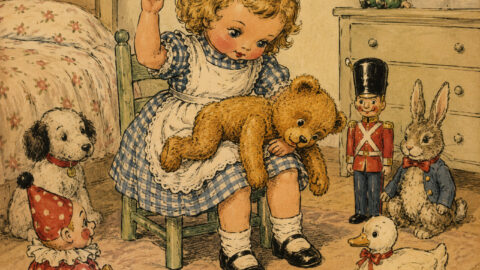
(short pause) When lessons were over, the children were cared for by Nanny, who wore a starched apron and always had a kind word or a gentle scold. Nanny believed in the old-fashioned ways, and when the children were naughty, she would sit on the edge of the nursery bed, skirts rustling, and call them to her side. Over her lap they would go, and her hand would rise and fall in a steady rhythm. The smacks were sharp and hot, echoing in the quiet room, but Nanny’s voice was always gentle afterward, reminding them that every child must learn right from wrong. Sometimes, if the mischief was great, Nanny would use her wooden hairbrush—a broad, polished thing that left a lasting impression, both on the children’s memories and their backsides. Mary would feel the sting long after, but she also remembered the warmth of Nanny’s arms and the soft words that followed: “You must always think before you act, my dear.” The discipline was never cruel, but it was firm, and it was always followed by comfort and reassurance.
(pause) Mary remembered one day in particular, when she and her brother had tracked mud through the sitting room after playing in the garden. The memory was vivid—the squelch of mud beneath her boots, the thrill of adventure, and then the sudden dread as Nanny’s voice rang out, stern and clear. “Come here, Mary. Over you go.” Mary felt the cool air as her skirt was lifted, and then the first smack of the hairbrush—a flat, punishing thud that made her gasp. The brush landed again and again, each blow a reminder that muddy shoes belonged at the door. The pain was sharp, and Mary’s eyes prickled with tears, but she bit her lip and tried to be brave. When it was over, Mary’s bottom was sore and her cheeks were wet, but Nanny hugged her close and whispered, “You must always think before you act, my dear.” In that embrace, Mary felt the sting of the lesson and the comfort of being loved, all at once.
(short pause) Sometimes, a new Nanny would arrive, bringing her own ways. One favoured the slipper—a soft house shoe that, in her hands, became a tool for teaching. The slipperings were quick but thorough, and Mary learned that kindness and firmness could go hand in hand. The anticipation was often worse than the punishment itself, and Mary’s heart would pound as she waited, her mind racing with regret and resolve. Yet, after each lesson, there was always a gentle word, a reassuring pat, and the promise of a fresh start.
(pause) As Mary and her siblings got older , they were sent to boarding school, as was the custom in those days. The first school was a grand old house, its stone walls covered in ivy, where children lived together in small groups called “houses.” Mary’s house was run by Miss Gibson, who was sweet, and Miss Barton, who was rather strict. Miss Barton kept a slim leather strap in her desk drawer, and when a child misbehaved, she would call them forward, eyes narrowed. “Bend over, please,” she would say, and the strap would lash across the child’s bottom or thighs—a line of fire that made them gasp. The pain was sharp, and the shame of being punished in front of others was even sharper, but the lesson was always the same: to mind one’s manners and heed the warnings of those who cared for them. Mary would lie awake at night, the sting still fresh, and promise herself to do better next time.
(short pause) Miss Gibson, on the other hand, only spanked Mary once. It was bedtime, and Mary had tracked coal dust through the house. Miss Gibson sat on the edge of the bed, her lap both inviting and ominous. Over Mary went, her nightdress bunched up, and Miss Gibson’s hand delivered a brisk, purposeful spanking. The pain was sharp, but not cruel, and afterward, Miss Gibson hugged Mary close and reminded her to think before she acted. The sting faded, but the lesson remained, and Mary felt a quiet pride in learning to take responsibility for her actions.
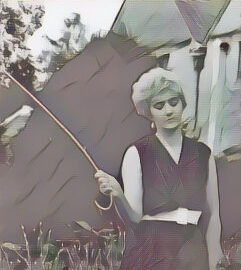
(pause) At school, most of the mistresses used rulers or slippers for discipline, and the headmistress, a distant but respected figure, kept a cane for the most serious mischief. Mary never received the cane, but the very thought of it was enough to keep her and her friends on their best behaviour. The rules were clear, and the consequences swift and certain. The children whispered stories about the cane in hushed tones, their imaginations running wild, but they also understood that the rules were there to keep them safe and to help them grow.
(short pause) Mary’s second school was grander and more formal, and she felt dreadfully homesick at first. The discipline there was even sterner. Sometimes, a mistress would deliver a quick, stinging slap to a cheek, or the headmistress would summon a child to her office for a caning on the palm or, for the gravest offences, the thigh. The pain was sharp and the marks lingered, but the lessons were always about self-control, honour, and respect for tradition. Mary would write long letters home, her words full of longing and hope, and she would count the days until the holidays, when she could return to the warmth and safety of her family.
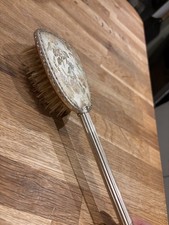
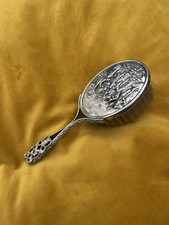
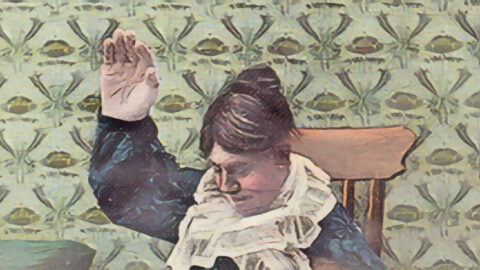
(pause) At home, Mary’s parents were loving but distant, and when a letter arrived from school or Nanny sent word of mischief, the children knew they were in for a serious reckoning. Mother had a heavy, silver-patterned hairbrush, and when the time came, she would summon Mary to her sitting room, the air filled with the scent of roses. Over Mother’s lap Mary would go, and the hairbrush would fall with a steady rhythm, each smack a reminder that every action has its consequence. The pain was real, but so was the love that followed—the gentle embrace, the soft words, and the promise that tomorrow was a new day.
(short pause) When it was over, Mother would hold Mary close and remind her, “We discipline you because we love you, and because we want you to grow up to be good and kind.” Mary would nod, her heart full of understanding and a quiet determination to do better. The lessons were hard, but they were always given with love, and Mary knew that she was cherished, even in her moments of mischief.
(pause) And so, in that bright and orderly home, Mary and her siblings learned the lessons that would guide them all