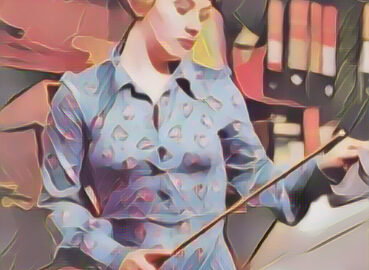
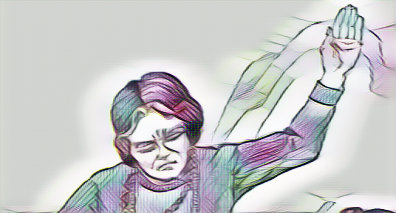
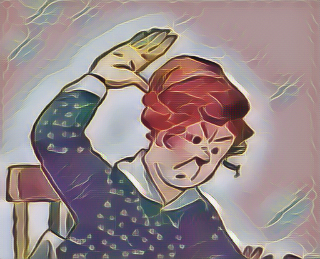
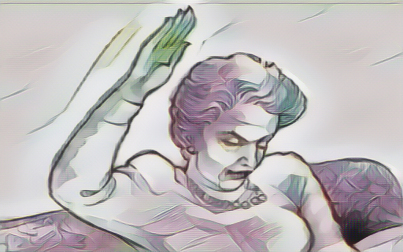
(gap: 2s) In the gentle town of Bolton, where rows of neat red-brick houses stood proudly shoulder to shoulder, their chimneys puffing faint wisps of smoke into the northern sky, there lived three brothers and their devoted mother. The estate was a patchwork of tidy gardens, each bordered by white-painted gates and privet hedges, where the scent of cut grass mingled with the distant aroma of baking bread. Children’s laughter echoed along the pavements, mingling with the clatter of Raleigh bicycle wheels and the cheerful greetings of neighbours. Their father, a man of strong hands and weary eyes, worked long hours at the mill and was often away, leaving Mother to guide her sons with a firm but loving hand, her wisdom bolstered by the warmth and watchfulness of the community.
Mother was a pillar of fairness, her voice gentle yet unwavering, her expectations clear as the church bell on Sunday morning. She taught her sons to walk with heads held high, to speak with honesty, and to treat others with kindness. When they faltered, as all children do, she believed it her sacred duty to correct them—not with anger, but with a steady resolve, for she knew that discipline, when given with love, would help them grow into men of character. One particularly golden summer’s day, when the air shimmered with the promise of adventure, an incident occurred that would etch itself into the boys’ memories forever.
The day began with the brothers tumbling out into the garden, their laughter ringing like bells in the warm sunlight. They chased each other between the rose bushes and the washing line, their knees grass-stained and their shoes scuffed from endless games of football. The world felt boundless, the sky impossibly blue, and the hours stretched ahead like a ribbon of possibility. Suddenly, Mother’s voice cut through the merriment—firm, clear, and unmistakably serious. The boys froze mid-chase, hearts thumping, and hurried inside, their faces flushed with exertion and a flicker of worry.
The three brothers shared a small, immaculate bedroom at the top of the stairs. Sunlight filtered through the net curtains, casting lace patterns on the patchwork quilts. In one corner stood a sturdy chest of drawers, each boy with his own drawer for socks and treasures, and a fourth, larger drawer where they kept their shared amusements: marbles, comics, and the odd conker from last autumn’s haul.
With a grave expression, Mother gathered them before the chest. In her hand, she held a folded piece of paper—an improper picture of a lady, discovered in the shared drawer. Her disappointment was palpable, her voice steady but tinged with sadness as she explained, in words chosen with care, that such things were not for children’s eyes, but for adults alone. The boys felt a heavy, unfamiliar shame settle over them, as if a cloud had drifted across the sun.
Each brother, cheeks burning, denied any knowledge of the picture. Mother, arching a single eyebrow, asked, “Did it walk in by itself, then?” The narrator, truly innocent, glanced at his brothers, suspecting one but unwilling to accuse without certainty. The silence in the room grew thick, broken only by the distant tick of the hallway clock.
When none would confess, Mother’s lips pressed into a thin line. She instructed each boy to stand in a separate corner of the room. “You shall remain there,” she said, “until the truth is told.” The boys shuffled to their corners, gazing at the wallpaper’s faded roses, determined to outlast the others, yet growing more anxious with every passing minute. The air was heavy with anticipation, and the faint sounds of the street outside seemed impossibly far away.
After what felt like an eternity, Mother returned, her footsteps measured and deliberate. “Whoever is responsible will be placed across my knee for a sound spanking,” she declared, her voice as steady as the church organ. “It is better to admit the truth and accept your punishment bravely, for dishonesty only makes matters worse.” The boys shifted uneasily, the weight of her words pressing upon them.
Still, no one spoke. Mother’s patience, usually as deep as the well in the garden, began to wear thin. “Very well,” she said, “if no one will confess, the slipper shall be used instead.” Her tone was stern, but not unkind, for she wished only to teach her sons the value of honesty, not to frighten them.
Like many mothers, she seemed to possess a sixth sense about her children, a quiet intuition that told her more than words ever could. Perhaps she already knew the true culprit, but she waited, giving them every chance to do what was right. The boys stood in their corners, hearts pounding, each wrestling with his own conscience.
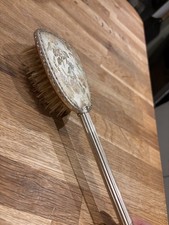
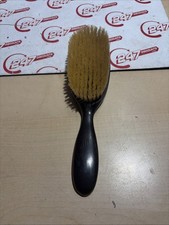
At last, Mother’s voice grew steely, her patience finally spent. “If you will not tell the truth, I must use the hairbrush. This is your final opportunity, boys.” The room was silent, save for the relentless ticking of the clock and the distant hum of a milk float outside.
The narrator silently pleaded for one brother to admit the truth, for the tension was nearly unbearable. He considered confessing himself, if only to end the ordeal, but knew it would be wrong to take the blame for another’s deed. He resolved to stand firm, even as his legs grew tired and his eyes stung with unshed tears.
Mother then made her decision. “Since none of you will speak, I must see that all are punished, so that the guilty one does not escape and the lesson is learned by all. Change into your pyjamas, for you shall go to bed early after your punishment.” Her words were final, and the boys, subdued and solemn, obeyed without protest.
She left the room to fetch her hairbrush, the sound of her footsteps echoing down the hallway. When she returned, she led the boys to the bathroom, where steam curled from a freshly drawn bath and the scent of lavender soap hung in the air. There, with gentle but unwavering hands, she washed each boy’s mouth with soap, reminding them that truthfulness is always best, and that words, once spoken, cannot be taken back.
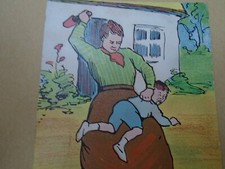
Mother sat upon the closed lid of the toilet, her face calm but resolute, the hairbrush resting in her lap. One by one, she called each boy to her side. With care, she placed him over her knee, and with the flat of the hairbrush, she administered several firm smacks to his bottom. The sound echoed in the tiled room, mingling with the boys’ quiet sobs—not only from the sting, but from the sorrow of disappointing their dear mother, whose love was as constant as the northern stars.
The windows and doors were open to the summer air, and the boys knew that the sounds of their punishment might drift out into the street, reaching the ears of neighbours and friends. This, perhaps, was the most humbling part of all, for they had often heard other children being disciplined and now, at last, understood the sting of shame and the comfort of forgiveness.
When the punishment was complete, Mother left the boys in the bathroom for a moment to compose themselves. The tiles were cool beneath their bare feet, and the scent of soap lingered in the air. She then led them back to their bedroom, where they saw that the drawer containing their toys and amusements had been removed. “You shall have these back when you have shown that you can be responsible,” she said gently but firmly. The boys were then tucked into bed, their bottoms sore, but their hearts full of resolve to do better. Mother kissed each forehead, her touch soft as a feather, and whispered a quiet blessing before turning out the light.
In time, as the days grew shorter and the leaves began to turn, the truth came to light. It was the middle brother who had hidden the picture, having received it unexpectedly from classmates after school. He had not meant to keep it, but had been too flustered and ashamed to return it. “It all happened so quickly,” he explained later, his voice trembling with regret and relief.
The eldest brother was very cross, and the narrator himself felt much the same, but they chose not to quarrel further. The lesson had been learned, and the matter was left in the past, like a stone dropped into a deep well, its ripples fading with time.
(pause) And so, dear children, let us remember the lessons from this story. Honesty is always the best policy, for the truth, like the dawn, will come out in the end. Obedience and respect for one’s parents are virtues that help us grow into good and upright people. And though discipline may sting for a moment, it is given with love, to help us learn from our mistakes and become better each day. In the gentle town of Bolton, beneath the watchful eyes of mothers and the golden glow of porch lights, such lessons are cherished, and childhood memories are woven into the fabric of who we become.