(gap: 2s) In the days of my boyhood, during the 1950s, our estate was a patchwork of modest homes and honest routines, each house a small kingdom ruled by the gentle tyranny of mothers and the quiet dignity of fathers. The air was often tinged with the scent of coal smoke and the distant laughter of children, and the rhythm of daily life was as steady as the ticking of the clock on our mantelpiece. My mother, a woman of unwavering standards and gentle affection, presided over our household with a firm but loving hand. She believed, as did many mothers of her generation, that a child’s heart must be shaped with both kindness and discipline, and that the lessons of youth, though sometimes painful, would serve as the foundation for a life well-lived.
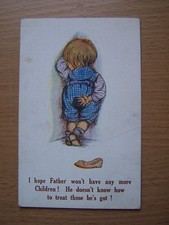
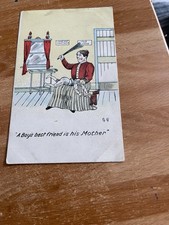
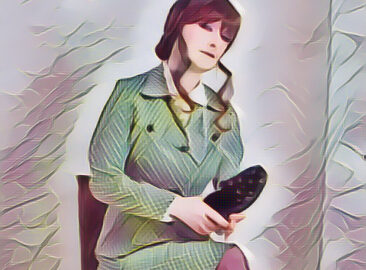
(short pause) Thus, when I misbehaved—be it a muddy footprint on the hall carpet, a fib told to escape chores, or a squabble with my sister—it was not unusual for my mother to fetch her sturdy house slipper. It was a faded blue, the sole worn smooth by years of service, and to me it seemed almost a symbol of her authority. She would seat herself on the settee, her skirt neatly arranged, and beckon me to her side with a look that brooked no argument. My heart would flutter with a peculiar mixture of dread and anticipation, and I would feel the cool air on the backs of my legs as she gently but firmly guided me across her lap. The room would fall silent, save for the faint hum of the electric fire and the ticking clock, and I would stare at the floral carpet, counting the roses as I waited. Each smack landed with a sharp sting, the sound echoing in the quiet room, and I would squirm and gasp, my cheeks flushed with embarrassment and discomfort. Yet, even as the tears pricked my eyes, I sensed her care in every measured stroke, her voice steady as she reminded me of the lesson at hand. When it was over, she would draw me close, smoothing my hair and assuring me that all was forgiven, provided I tried to do better. There was a certain ritual to it all, a sense that order had been restored and that I was, in her eyes, still her beloved son.
(pause) There came a time, however, when I was beset by a most mortifying trouble: I began to wet the bed at night. For a boy of my age, proud and eager to prove myself grown, this was a source of deep shame. My mother, ever vigilant, noticed the damp sheets and the downcast look in my eyes each morning. She spoke quietly to my father, her voice low but resolute, explaining that a sterner lesson might be needed to help me overcome this failing. I remember the hush that fell over the house that evening, the sense of something momentous about to occur.
(pause) My father, exhausted from his long days at the factory, listened with a heavy sigh. He was a man of few words, his hands roughened by honest labour, and though he rarely raised his voice, his authority was absolute. He agreed, though it pained him, that a more serious punishment was in order. That evening, he called me into the kitchen, his face grave and his eyes shadowed with regret. He sat on a sturdy chair, the leather belt—broad and dark, with a brass buckle—resting across his knees. My mother stood nearby, her hands folded, her eyes watchful but calm, her presence a silent reassurance. My father instructed me to bend over a low stool, my hands gripping the worn wood, my heart pounding in my chest. The kitchen was filled with the faint aroma of tea and the distant clatter of dishes, but to me, the world had narrowed to the stool and the belt. He doubled the belt, and with a steady hand, delivered six crisp strokes across the seat of my trousers. Each lash brought a hot, biting pain that made me gasp and clench my fists, my legs trembling with the effort to remain still. My father’s voice was gentle, almost sorrowful, as he told me that this was for my own good, to help me learn self-control. When it was done, he placed a comforting hand on my shoulder, his eyes soft with regret, and I felt a curious mixture of relief and gratitude that the ordeal was over.
(pause) My mother, observing that my father’s hand had been too gentle, stepped forward with quiet determination. She took the belt from him, her grip firm, and instructed him to hold me steady. Her face was set with loving resolve as she raised the belt and delivered a series of thorough, deliberate strokes. Each one landed with a sharp crack, the pain blooming hot and deep, and I could not help but cry out, my tears flowing freely. My mother’s voice was calm but unwavering, reminding me between strokes that this was not anger, but a lesson in self-mastery. The sting lingered long after the last stroke, and I wept bitterly, my face buried in my hands. Yet, even in my distress, I understood that her actions were guided by love and a wish for my improvement. There was a dignity in her manner, a sense that she was fulfilling a duty rather than venting frustration, and I respected her all the more for it.
(pause) When the punishment was finished, my mother’s manner softened. She led me gently to the bathroom, her arm around my shoulders, and drew a warm bath. The steam rose in the quiet room as she washed me with careful hands, her touch soothing the smarting welts. She dried me with a soft towel, her movements tender, and then, in a gesture both practical and caring, laid me upon the settee in the lounge. There, she fastened an old-fashioned cloth nappy around me, securing it with cool metal safety pins. She explained, in a gentle but serious tone, that this was to help me remember the importance of self-control, and that she believed I could overcome my trouble with effort and resolve. I felt a flush of humiliation, but also a strange comfort in her unwavering faith in me.
(pause) For several weeks, I wore the nappy to bed each night. My mother would enter my room quietly after dark, her footsteps soft on the carpet, and check if I had remained dry. Her touch was always gentle, her words encouraging, even when disappointment clouded her face. Each morning, I would feel a mixture of hope and dread as she inspected the sheets, her eyes searching mine for signs of progress. On the rare mornings when I awoke dry, her smile was radiant, and she would praise me warmly, her pride evident in every word. On other days, when I had failed, her disappointment was tempered by understanding, and she would remind me that perseverance was the key to overcoming any difficulty.
(pause) In time, I was allowed to return to my ‘big boy’ pyjamas, though accidents still occurred from time to time. On those occasions, my mother’s resolve did not waver. She would call me to her side, her voice calm but firm, and explain that another lesson was needed. There was no anger in her tone, only a quiet certainty that discipline, administered with love, was the surest path to improvement.
(pause) She would take me by the hand and lead me to the bathroom, where a bracing cold bath awaited. The chill of the water made me shiver, my teeth chattering as she washed me briskly, her face set with determination. Afterwards, she would dry me quickly and march me to my room, where she would sit on the edge of the bed, the belt folded neatly in her lap. She would guide me over her knee, my face burning with shame, and deliver at least six resolute strokes to my bare bottom. Each smack was sharp and stinging, the pain building with each blow, and I would sob quietly, my hands gripping the bedspread. My mother’s voice was steady, reminding me that these actions were not born of anger, but of a desire to help me grow into a responsible young man. The ritual was always the same: a stern lecture, the punishment itself, and then a period of quiet reflection, during which she would sit beside me, her hand resting gently on my back.
(pause) As I grew older and larger, it became impractical for me to be placed over my mother’s knee. Instead, she would have me lie face down upon my bed, my feet touching the floor, my arms stretched out before me. She would stand beside me, the belt in her hand, her expression focused and solemn. The strokes were firmer now, each one landing with a heavy thud, the pain deep and lasting. I would bite my lip and squeeze my eyes shut, determined to show courage, though the tears still came. My mother’s words were always the same: “This is for your own good, my dear. I know you can do better.” There was a gravity to these occasions, a sense that I was being entrusted with the responsibility of my own improvement.
(pause) After each spanking, my mother would sit quietly beside me, her hand resting on my back as I composed myself. The pain would linger, a dull ache that reminded me of the lesson, but her presence was a comfort. She would speak softly, telling me that she believed in my ability to improve, and that her discipline was always accompanied by her love. Sometimes, she would recount stories from her own childhood, of lessons learned and mistakes forgiven, and I would listen, comforted by the knowledge that I was not alone in my struggles.
(pause) Though the pain was often great, I came to understand that these moments, harsh as they seemed, were acts of care and moral instruction. In the quiet that followed, I would reflect upon my actions and resolve to do better, knowing that my mother’s discipline was always accompanied by her love. The world outside would continue as before—the milk float rattling down the street, the children’s laughter drifting through the open window—but within our home, a lesson had been learned, and a bond strengthened.
(pause) Of course, these events took place many years ago, in a time when such lessons were considered part of a boy’s upbringing. Today, children are taught in different ways, and the world has changed in ways both great and small. Yet, I shall always remember those days as formative, and my mother’s stern but loving guidance as a true mark of her devotion. Her discipline, though strict, was never cruel, and her love, though sometimes hidden behind a stern expression, was the constant light of my childhood.