The council estate where I grew up in 1980s Scotland was a world unto itself—a patchwork of roughcast tenement flats, battered cars, and the constant hum of daily life. The air always seemed tinged with the scent of coal smoke and damp grass, and the sky was more often grey than blue. Children like me, bundled in woolly jumpers and wellies, played football on the communal green, our laughter echoing between the buildings. Mothers gathered by the bins, sharing gossip and worries, while fathers trudged home in work overalls, faces lined with fatigue and the weight of another week.
(pause) Life on the estate was hard but close-knit. There was a sense of community, a shared understanding that everyone was doing their best to get by. The flats were small but meticulously kept—net curtains fluttered in the windows, and the smell of stewing mince or boiling cabbage drifted through the stairwells. The corner shop was a lifeline, its window plastered with posters pleading to save our school, and bicycles leaned against the wall outside, ready for another adventure.
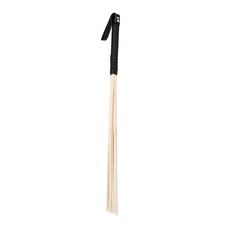
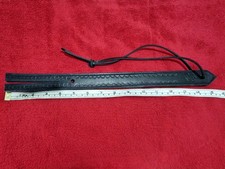
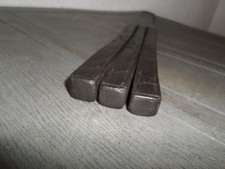
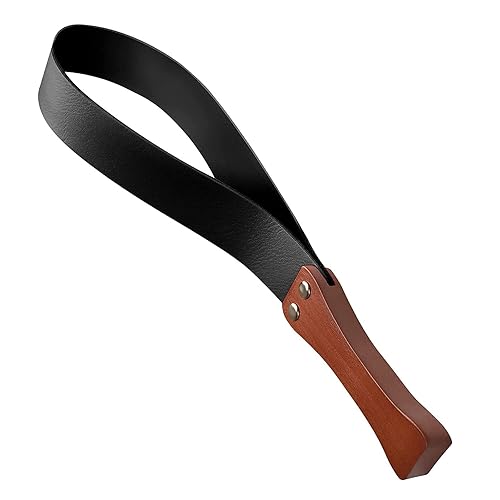
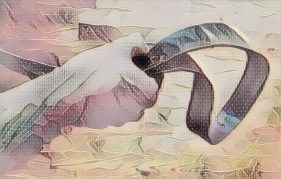
(pause) I remember with great clarity the day when the punishment belts were gathered up from our school by the council, destined for destruction. It was a moment that felt both momentous and surreal, as if a chapter of our childhood was being quietly closed. The local education authority had decided to act before they were forced, and so we were summoned to a special assembly to discuss the end of corporal punishment in our Scottish schools.
The assembly hall was cold, the wooden benches hard beneath us. The headmistress, Mrs M, stood at the front—a stern, middle-aged woman with tightly permed hair and a voice that brooked no nonsense. She rarely administered punishment herself; that was mostly left to the deputy headmistress, Mrs F, whose reputation preceded her in every whispered conversation.
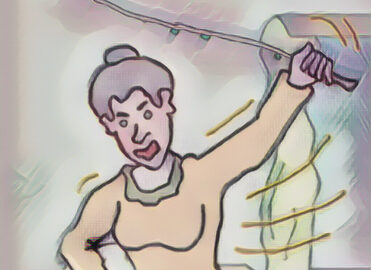
Mrs F was about forty, tall and formidable, with sharp features and a gaze that could freeze you in your tracks. She was strict, a genius with numbers, and her authority was absolute. She did not use the belt often, but when she did, it was unforgettable. I received it once—three sharp strokes across the backs of my legs for an incident wrongly believed to be bullying. The sting of the leather, the humiliation of standing before the class, and the injustice of it all still linger in my memory. When the announcement came at assembly, a ripple of excitement ran through us pupils, quickly stifled by the reminder that the belt would remain until the end of the following week.
(pause) That afternoon, as the school emptied, a council man arrived to collect the belts. He was short and stout, with a bristling little moustache and a look of impatience. A group of us lingered at the edge of the playground, climbing trees and pretending not to watch, though our eyes never left the school doors. We weren’t supposed to be there after hours—being on the playground more than ten minutes after the bell was a punishable offence—but curiosity got the better of us.
The man disappeared inside, and we waited, hearts thumping, as the minutes dragged by. When he finally emerged, he carried a paper bag and a bundle of papers, the belts hidden from view. Mrs F walked beside him, her expression unreadable. She spotted us and, with a quick wave behind his back, sent us scattering. We obeyed at once, the thrill of rebellion quickly replaced by the fear of being caught.
(pause) The following Monday, most of us were summoned to Mrs F’s office. The corridors were silent, the linoleum floor cold beneath our feet. Mrs F’s office was a small, institutional room, the air thick with the smell of chalk dust and disinfectant. She sat on a battered wooden chair, her skirt brushing the floor, and fixed us with a look that made our stomachs twist.
She gave us a stern lecture for ‘loitering’—a word that carried a special weight in our school, reserved for those who dared to be where they shouldn’t. Her voice was sharp, each word landing like a slap. Then, quite suddenly, she laughed—a short, humourless sound. “Did you think that with the belts gone, you would escape real trouble for loitering? Well, ‘the whack’ is not banned until the end of the school year. Line up!”
(short pause) The room seemed to shrink as we shuffled into line, hearts pounding in our chests. The windows rattled in the wind off the estate, and the only sound was the nervous shuffling of shoes. My palms were clammy as I watched my classmates go before me, each climbing awkwardly over her lap, faces burning with shame. The sound of her hand connecting with cloth and skin was sharp and unmistakable—a flat, echoing smack that seemed to fill the room, followed by a gasp or a stifled sob.
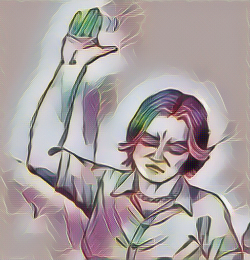
When my turn came, I felt the rough wool of my school shorts bunch up as she pulled me into place. Her hand was bony and cold, and the first smack landed with a sting that made my eyes water instantly. The pain was different from the belt—less sudden, but it built with each blow, a hot, prickling ache that spread across my backside. I could hear my own breathing, ragged and shaky, and the muffled crying of my friends behind me. The room was filled with the sound of smacks, sniffling, and the occasional whimper.
By the tenth or fifteenth smack, my legs were kicking involuntarily, and I bit my lip to keep from crying out. The humiliation was as sharp as the pain—being bent over, exposed, in front of my classmates, the sting of each slap burning through my underpants. By the end, my face was wet with tears, and I stumbled to my feet, cheeks flaming, trying not to meet anyone’s eyes. Around me, my friends were wiping their faces, some openly sobbing, others silent and red-eyed. None of us had ever cried at the belt, but this was different—thirty or more hard smacks, each one deliberate, each one a reminder that the old ways were not quite gone yet.
(pause) The experience left a mark deeper than any bruise. The sound of Mrs F’s hand, the chorus of our crying, and the cold, institutional smell of the office are memories that have never left me. In that moment, we were united in our pain and humiliation, a generation caught between the old Scotland and the new, between tradition and change.
Each of us was given a letter to take home and return, signed, the next day. The paper felt heavy in my hand, a silent threat of further punishment.
I was honestly afraid of getting another sore bottom at home, over Mother’s knee and properly chastised. The fear was real, a knot in my stomach that lingered all evening. Later, I discovered that most of my friends had suffered the same fate from their mothers and fathers—discipline was a language spoken fluently in every home on the estate.
(long pause) Looking back, I see how those days shaped us—how the estate, the school, and the rituals of punishment forged a kind of resilience, but also left scars. We learned to endure, to keep secrets, to find comfort in each other’s company. The world outside our estate was changing, but inside, the echoes of the past lingered, shaping our childhoods in ways we would only understand much later.