(gap: 2s) In the poorer quarters of Missouri, where the houses leaned like tired old men and the porches sagged under the weight of years and stories, I spent the days of my childhood. The sun was relentless, baking the red earth until it cracked, and the air shimmered with heat and the scent of dust and wild grass. Our neighborhood was a patchwork of weathered shotgun houses, their paint peeling and their windows clouded, each one holding a family with their own secrets and struggles. The rules in our home were as unyielding as the ancient oak trees that lined our street, their roots twisting beneath the cracked sidewalks, their branches casting long, dappled shadows over our games. Discipline was as regular and inevitable as the midnight trains that thundered past, their whistles slicing through the humid darkness, and each lesson was delivered with a clarity that left no room for misunderstanding or mercy. In that world, every day was a test, and every mistake was met with swift, unmistakable consequence.
The first lesson I learned was what my mother called the “stand-up spanking.” It was a ritual as old as the house itself, and it happened wherever you stood—no warning, no time to steel yourself. If one of us was caught squabbling over a toy, or dawdling when chores called, Mother’s hand would shoot out, her grip like iron around your arm. The hallway would fall silent, the faded green wallpaper and creaky floorboards closing in, the air thick with anticipation and dread. Then, three sharp smacks would land on the seat of your trousers—quick, stinging, and precise, each one a punctuation mark in the lesson she meant to teach. The sound echoed off the walls, a flat, startling crack that made your heart leap and your breath catch. The sting was immediate, a hot bloom that made you gasp and stand up straight, cheeks burning with embarrassment as your siblings watched, wide-eyed and silent. Tears might prick your eyes, but mostly it was the shock—the suddenness, the humiliation, the knowledge that you’d crossed a line you could not uncross. Afterward, you’d rub the spot, sniffling, trying to swallow your pride and blink away the tears, the lesson clear as day: mischief would not be tolerated, and respect was to be shown at all times, no matter how small the infraction.
The second lesson was known as “the proper smacking,” and it was reserved for more serious offences—a fib told to save your own skin, a broken promise, a chore left undone despite repeated reminders. The setting was always the parlour, a room heavy with the scent of dust, old upholstery, and the faint sweetness of last night’s tea. Mother or Father would sit on the sagging floral sofa, their face grave and unreadable, the box fan humming in the window, stirring the lace curtains. You’d be called in, your stomach twisting into knots, and told to come over. Over the parental knee you’d go, the fabric of your trousers stretched tight, your heart pounding so loud you could barely hear the words of disappointment. The wooden spoon was cool and heavy in their hand, its surface worn smooth by years of use. Then, five firm smacks—each one landing with a crisp, resonant report, the pain sharper and deeper than the stand-up spanking. By the third or fourth, your eyes would brim with tears, your resolve crumbling. The force was measured but unyielding, enough to make you squirm and promise, through choked sobs, to do better next time. The sounds—the spoon striking, your own yelps, the faint hum of the fan—would linger in your ears long after it was over. When it was done, you’d be sent to your room, cheeks wet, bottom throbbing, the lesson etched into your memory: honesty and diligence were virtues, and to stray from them brought swift, unforgettable consequences. In the quiet that followed, you’d lie on your bed, staring at the ceiling, the ache in your body a reminder that love, in our house, was sometimes measured in discipline.
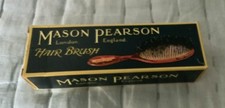
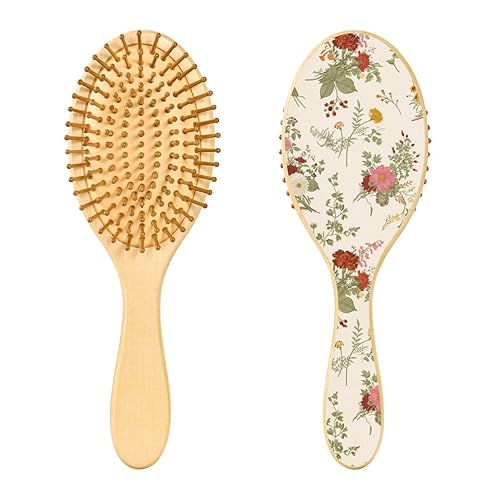
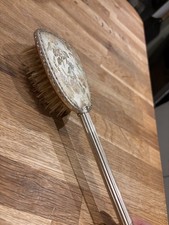
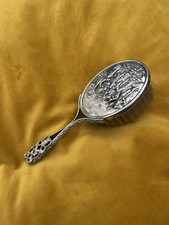
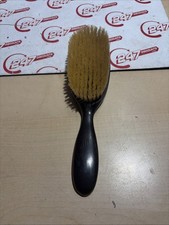
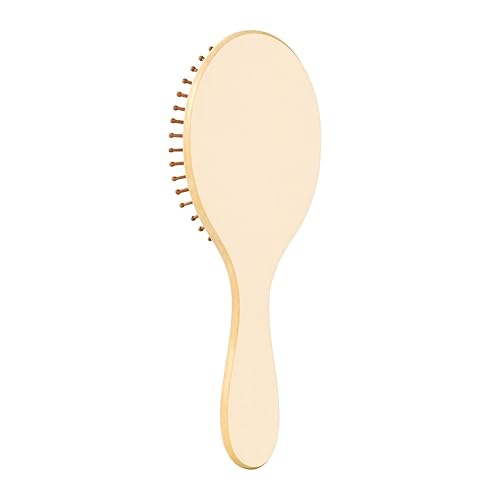
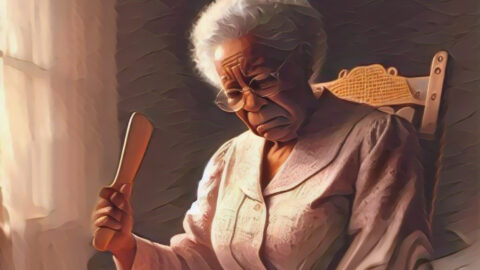
But the gravest lesson of all was the “real punishment.” This was reserved for the most serious misdeeds—cheating at school, or showing disrespect to an elder, sins that threatened the very fabric of our family’s honor. The entire family would gather in the living room, the air thick with tension and the unspoken fear of what was to come. The guilty child would be bent over the arm of the sofa, the upholstery scratchy against your skin, your heart pounding so loud you could barely hear the distant whistle of the freight train or the cicadas humming outside. Mother’s face would be solemn, her eyes dark with disappointment, as she took up the heavy wooden hairbrush, its handle worn smooth by years of use. Seven hard smacks—each one a thunderclap, the pain radiating out in waves, sharp and deep, making your legs tremble and your breath come in ragged gasps. The sound was deafening, the shame overwhelming, as tears spilled freely down your cheeks, your face buried in the cushions to muffle your sobs. The silence of your siblings watching was almost worse than the pain itself, their eyes wide and solemn, their own bodies tense with fear and empathy. When it was done, you’d be left sobbing, the ache lingering for days, a dull reminder of the lesson you’d learned. For weeks afterward, you’d tread carefully, every action weighed, your behavior polished to a shine, the warning echoing in your bones: in our little corner of Missouri, virtue was not merely hoped for—it was demanded, and the price of failure was paid in pain and shame.
I was never a stoic child. At the first smack, I would wail and plead, my voice echoing down the hallway, my hands flying back in a futile attempt to shield myself. My sister, older and braver, would grit her teeth and refuse to cry until the very last blow, her jaw set, her eyes blazing with defiance and pride. My younger brother, being the smallest, was spared the worst of it, but even he learned to mind his manners, his wide eyes watching and remembering, the lessons sinking in without a word. We were a family bound by love and discipline, our bonds forged in the fires of shared experience and mutual understanding.
These lessons, though harsh, were meant to shape us, to carve out the rough edges and mold us into something better. The quick spankings faded from memory, their sting lost in the haze of childhood, but the real punishments lingered, their echoes haunting us long after the bruises had faded. In the heat of a Missouri summer, with the cicadas humming and the trains rolling by, we learned that in our family, discipline was a language all its own—one spoken in sharp smacks, stern faces, and the hope that, someday, we’d grow into the kind of people our parents demanded we become. And as I look back now, I see not just the pain, but the love that lay beneath it, fierce and unyielding, a love that shaped us, for better or worse, into who we are.