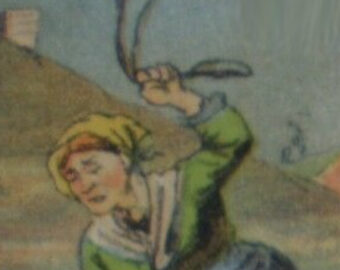
Growing up in the 60s, our home was its own little world—a place where order reigned, laughter echoed from the garden, and the kitchen was alive with the sounds and smells of daily life. The scent of freshly cut grass would drift through open windows, mingling with the aroma of stew or bread baking. At the center of it all was my mother, a woman of unwavering resolve, who kept our universe spinning with her steady presence. She believed in the old ways—discipline, respect, and, when needed, a swift smack to set things right. Her presence was as constant as the ticking clock in the hallway.
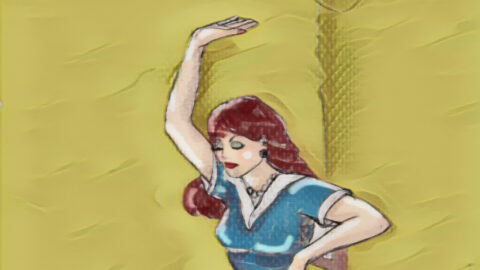
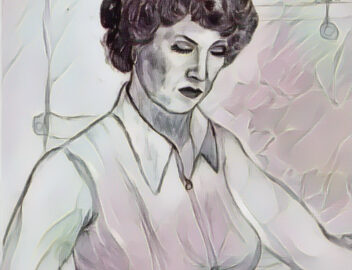
(short pause) My mother was the embodiment of simplicity and practicality. She wore plain, well-pressed skirts and buttoned cardigans, her sensible shoes making a soft, steady sound on the linoleum as she moved from room to room. Her hair was always neatly pinned back, framing a face that rarely betrayed emotion—except for the occasional fleeting smile or the stern set of her jaw. She had a quiet authority that filled the room without ever raising her voice. Her hands, strong and capable, moved with purpose, whether folding laundry, stirring a pot, or reaching for the slipper. She stood for no nonsense, her posture straight and her gaze unwavering, but there was always fairness in her actions—a sense that rules were rules, and even discipline could be delivered with kindness. I remember how she would pause to tuck a stray hair behind her ear or smooth her skirt, as if gathering herself before the next task.
Those moments are etched in my memory, not just as events, but as a tapestry of sights, sounds, and emotions that colored my childhood. The house itself seemed to hold its breath during those times, the walls absorbing every whispered word, every muffled sob, every echo of the past. The ticking of the clock would grow louder, the sunlight would seem to dim, and the world would shrink to the small, charged space between mother and child.
(short pause) Like most children, I received countless informal slaps—quick, almost thoughtless reminders on the backs of my legs or my bottom, their sting fading as quickly as they came. But the ones that truly lingered were the formal punishments. By the time I was three or four, the ritual of the ‘smack-bottom’ had become a familiar, if dreaded, part of my world. There was a strange comfort in its predictability—a sense that justice, however painful, would always be meted out in the same way. I would try to read my mother’s face, searching for any sign of mercy, but her expression was always inscrutable, her resolve unshakable.
(pause) The ceremony was always the same. My heart would pound as I was led to the lounge-dining room, the air thick with anticipation. My mother’s woolen skirt draped over her lap became a symbol of impending justice, its scratchy texture forever linked in my mind to the moments before the storm. Sunlight filtered through the curtains, casting golden patterns on the carpet as I waited for the inevitable. The room, usually warm and full of laughter, would transform into a stage for this solemn ritual. As I grew older and too big for her lap, the ritual changed—hands on knees, head bowed, the vulnerability of that posture making my cheeks burn with shame and fear. I could feel her gaze on me, measuring and judging, but never cruel.
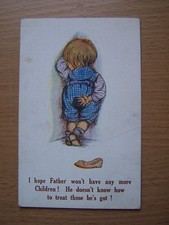
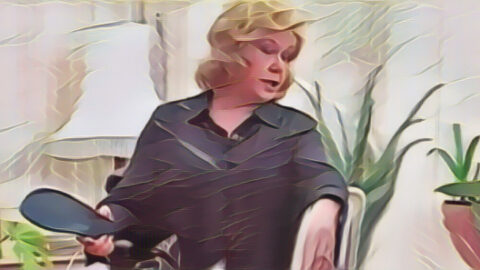
(pause) The slipper was her instrument of choice. I can still picture it: a faded sky-blue velour upper, soft to the touch, but with a sole of flexible, unforgiving rubber. It was an ordinary lady’s house slipper, but in our home, it was a symbol of consequence, kept in a special drawer in the sideboard. Its presence was a silent threat. The sound of that drawer sliding open, the faint squeak of rubber against wood, sent a chill down my spine every time. Sometimes, I would catch a glimpse of it when helping to set the table, and my stomach would twist with anxiety, even if I had done nothing wrong. The slipper was always there, lurking in the background, a reminder that actions had consequences.
(short pause) The lounge-dining room, usually filled with the comforting smells of Sunday roast or the gentle hum of conversation, would change in those moments. The slipper would be placed on the dining table with deliberate care, its blue surface catching the light. My mother, her face set in calm determination, would drag out a chair, the legs scraping against the floor—a sound that seemed to echo in my ears. With one hand, she would hold me firmly, her grip both reassuring and inescapable. Her fingers would tighten just enough to let me know there was no escape, but never so much as to hurt. The room would seem to grow colder, the air heavy with expectation.
(pause) The lecture would follow, brief but pointed, her voice low and steady. She would hold the slipper in her hand, sometimes tapping it against her palm, the soft thwack a warning of what was to come. My stomach would twist with guilt and dread, my eyes fixed on the floor as her words washed over me, each one a reminder of my misdeeds. She never shouted, never lost control—her disappointment was punishment enough. I would nod, barely hearing the words, my mind racing with regret and a desperate hope for leniency.
(pause) Then, without further ado, she would take me by the wrist and guide me into position. The world seemed to narrow to the scratch of her skirt, the cool air on my skin, and the sharp, stinging pain as the slipper met its mark. Each smack was a lesson, a reminder, and though the pain faded, the memory remained—a part of the tapestry of my childhood, woven with love, discipline, and the ever-present slipper.