Throughout history, societies have linked spirituality, morality, discipline, and the body in complex ways. Practices associated with witchcraft, pagan religions, corporal punishment, and spanking have often intersected symbolically, culturally, and psychologically. While these topics are distinct, examining their historical overlap reveals how ideas about power, ritual, shame, authority, sexuality, and social control evolved across different cultures and eras.
Defining the Terms
Before exploring the connections, it is important to distinguish the concepts:
- Witchcraft generally refers to magical practices, folk sorcery, or accusations of supernatural influence. In European history, witchcraft became heavily associated with heresy and fear.
- Paganism broadly describes pre-Christian or non-Abrahamic spiritual traditions, often emphasizing nature, fertility, seasonal cycles, and ritual.
- Corporal punishment refers to physical discipline intended to cause pain as punishment or correction.
- Spanking is a specific form of corporal punishment involving strikes to the buttocks, historically used on children and, in some contexts, adults.
Although modern discussions often separate these ideas, historical societies frequently connected spiritual purity, bodily discipline, and moral control.
The Body as a Spiritual Battleground
In many religious traditions, the body has been viewed as both sacred and dangerous. Ancient pagan cultures often celebrated the body through fertility rites, seasonal festivals, dance, nudity, and initiation rituals. In contrast, later Christian authorities in medieval Europe increasingly emphasized restraint, discipline, and control over bodily desires.
As Christianity spread across Europe, many pagan customs were condemned as immoral or associated with witchcraft. Physical punishment became a method of enforcing religious conformity and social obedience. The body was treated not merely as flesh, but as a visible sign of spiritual condition.
Punishment rituals often carried symbolic meaning:
- Pain represented purification.
- Humiliation reinforced submission.
- Public discipline displayed moral authority.
This framework helped create cultural links between spiritual deviance and physical correction.
Witchcraft Accusations and Punishment
During the European witch trials between the 15th and 18th centuries, accused witches were often subjected to harsh corporal punishments, torture, or public humiliation. Authorities believed physical suffering could expose hidden evil or force confession.
Accused individuals — many of them women — were:
- whipped,
- beaten,
- restrained,
- publicly shamed,
- or subjected to painful examinations.
These punishments reflected fears surrounding uncontrolled spirituality, sexuality, female independence, and nonconformity.
Some historians argue that witch hunts functioned partly as systems of social discipline. Women who practiced folk healing, midwifery, herbalism, or nontraditional spirituality could be labeled dangerous. Corporal punishment became a way of reasserting patriarchal and religious authority over bodies perceived as threatening.
Pagan Ritual and Symbolic Discipline
Not all physical ritual in pagan traditions involved punishment. In many ancient cultures, ritualized pain or endurance served initiatory or transformative purposes rather than moral correction.
Examples include:
- ceremonial fasting,
- ritual flagellation,
- scarification,
- ordeals of endurance,
- or symbolic trials.
Such practices existed in some forms across ancient Mediterranean religions, Celtic traditions, tribal societies, and mystery cults. The meaning differed greatly from punitive spanking or judicial punishment. Instead, temporary suffering could symbolize rebirth, purification, sacrifice, or communion with divine forces.
This distinction matters because later Christian observers sometimes misunderstood or deliberately reframed pagan ritual practices as evidence of devil worship or witchcraft.
Sexuality, Shame, and the Evolution of Spanking
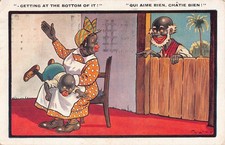
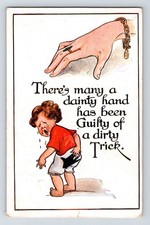
Over time, spanking developed meanings beyond simple child discipline. By the Victorian era, especially in Europe and North America, corporal punishment became intertwined with ideas about morality, obedience, gender roles, and even sexuality.
Several factors contributed:
- strict religious attitudes toward sin,
- repression of open sexuality,
- authoritarian family structures,
- and fascination with domination and submission.
Literature and art from the 18th and 19th centuries sometimes eroticized punishment, especially spanking. This created a cultural overlap between discipline, shame, and sexual symbolism.
Occult and esoteric movements emerging in the 19th and early 20th centuries occasionally incorporated ritualized power exchange, symbolic punishment, or ceremonial dominance into their practices. However, these were usually fringe interpretations rather than mainstream pagan or witchcraft traditions.
Modern Paganism and Contemporary Views
Modern forms of paganism — such as Wicca and neo-pagan traditions — generally emphasize:
- personal autonomy,
- consent,
- harmony with nature,
- and spiritual self-development.
Most contemporary pagan practitioners reject historical associations between spirituality and punitive violence. Likewise, many modern psychologists and educators criticize corporal punishment as harmful to child development.
However, symbolic themes remain culturally connected:
- authority and rebellion,
- purity and transgression,
- pain and transformation,
- ritual and power,
- shame and liberation.
These themes appear in literature, psychology, religion, and even modern subcultures.
Psychological Interpretations
Psychologists and anthropologists sometimes interpret these overlaps through broader human patterns:
- Ritualized pain can create emotional intensity and group bonding.
- Punishment can reinforce authority structures.
- Fear of witchcraft often reflects social anxiety about outsiders or uncontrolled forces.
- Physical discipline may become psychologically linked with guilt, morality, or power.
In psychoanalytic theory, especially in the work of thinkers like Sigmund Freud and later theorists, punishment and taboo can become symbolically entangled with desire, repression, and identity formation.
Modern anthropology tends to avoid simplistic explanations, instead examining how each culture constructs meaning around the body, spirituality, and social order.
Conclusion
The relationship between witchcraft, paganism, corporal punishment, and spanking is not based on a single unified tradition. Rather, these subjects intersect through history’s recurring concerns with power, morality, ritual, sexuality, and control over the human body.
Ancient pagan traditions often used ritual symbolically, while later religious authorities employed corporal punishment to enforce conformity and suppress perceived deviance, including alleged witchcraft. Over centuries, cultural attitudes toward discipline and spirituality evolved, sometimes merging with ideas about shame, sexuality, and authority.
Today, scholars generally approach these topics through historical, sociological, and psychological lenses, recognizing that the meanings attached to ritual, punishment, and spirituality are shaped by the values of each society and era.