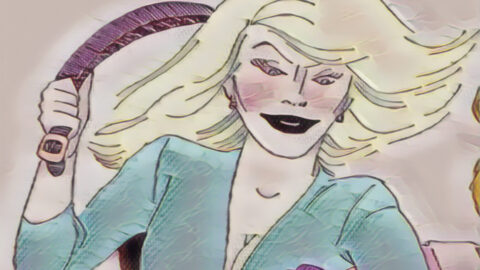
In a quiet, tucked-away corner of London, where the city’s ceaseless hum softened into the gentle clatter of milk floats and the shrill, delighted laughter of children, stood the Larkspur Estate. Rows upon rows of pebble-dashed flats, their windows winking in the pale morning light, and grass verges—patchy, yet lovingly tended—made up the boundaries of our small, familiar world. It was the 1970s, but to a child’s eyes, it might as well have been a page from a storybook: a place of order, of simple pleasures, and of the comforting routines that stitched each day to the next.
My parents’ story began in the heart of the city, where Father worked in a bustling marketing office, his voice always bright and full of ideas, while Mother, with her ready smile and quick wit, greeted visitors as the company’s receptionist. Their courtship was a gentle one, full of laughter and shared sandwiches in the park, and soon they married, moving into a modest flat on the estate. When I arrived, the flat seemed to grow warmer, filled with the sound of my baby giggles and the scent of Mother’s baking drifting from the tiny kitchen.
But when I was seven, a shadow fell across our home. Father, so full of life, was taken from us in a sudden, tragic accident. The flat grew quieter, the laughter more subdued, and the skies above the estate seemed to hang a little lower and greyer. I remember the hush that settled over our living room, the way Mother’s eyes glistened as she folded Father’s shirts for the last time, and the gentle, comforting weight of her hand on my shoulder as we watched the rain streak the windowpanes.
Yet Mother, ever brave and sensible, did not let sorrow swallow us whole. She returned to work, her chin held high, determined to keep our little family safe and warm. She worked long hours, her footsteps echoing in the hallway as she left before dawn, but she always made sure I was cared for. A kindly neighbour, Mrs. Jenkins, would pop in to check on me, her arms always full of biscuits and stories, and together we kept the flat tidy and bright.
With Father gone, Mother became both guide and guardian. She was gentle, but firm—her love a steady, golden light in our home. Each evening, as the electric fire hummed and the city lights twinkled beyond the faded curtains, she would sit with me at the kitchen table, her hands warm and capable as she helped me with my lessons. The scent of strong tea and the faint, sweet aroma of jam on toast filled the air, and I felt safe, cocooned in her care.
Mother would check my school diary, her brow furrowing in concentration as she read my teacher’s neat, looping script. She helped me with sums and spelling, her voice patient and encouraging, and listened as I read aloud, stumbling over the longer words. A gentle frown from her was enough to make me try my very best, for I knew she wished me to grow up clever and good, and I longed to make her proud.
When I grew older and moved to the big school, Mother sat me down one evening, her voice kind but serious, her hands folded neatly in her lap. “You must work hard and behave well, my dear,” she said, her words as steady as the ticking clock on the mantelpiece. “If you are naughty, I shall have to spank you, for that is how boys learn right from wrong.” Her eyes were gentle, but there was a firmness in her tone that made me sit up straight and nod solemnly.
I was, for the most part, a good boy, and had only known the occasional smack with the slipper—a quick, stinging reminder to mind my manners. Mother’s words, however, stayed with me, echoing in my mind as I walked to school each morning, my satchel bumping against my hip. For a whole year, I managed to keep out of trouble, my heart swelling with pride each time Mother smiled at my tidy report card.
But one term, I failed my English test. The day I brought my report home, my heart thudded in my chest like the milk float on its morning round, rattling the bottles and sending a shiver of dread through me. Mother read the report in silence, her brow furrowed, her lips pressed together. I watched her, my hands twisting in my lap, waiting for the storm to break.
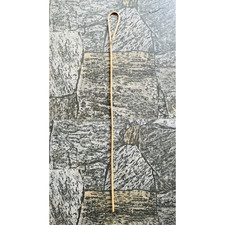
After a long, heavy moment, she rose and went to the kitchen. I heard the soft clink of the cutlery drawer, the creak of the back door, and then the gentle snip of garden shears. Peeking through the window, I saw her in the garden, her figure outlined against the grey sky as she cut a slender switch from the old privet bush. She trimmed it carefully, her movements precise and deliberate, just as one might prepare a tool for an important task.
Mother returned, the switch in her hand, and told me to go to my bedroom. My legs felt heavy as I climbed the narrow stairs, the faded carpet muffling my footsteps. The air in my small room was thick with anticipation, the familiar scent of laundry soap and old books suddenly sharp and strange. Mother closed the door behind us, her face calm but determined, and I felt a shiver of dread run down my spine.
“You are not trying hard enough,” she said gently, her voice soft but unyielding. “And I will not have you waste your gifts. From now on, you must work hard, even if it means a sore bottom. Take down your pyjamas and lie on the bed, please.” Her words were not angry, but full of a deep, unwavering love—a love that wanted the very best for me, even if it meant tears.
I did as I was told, my hands trembling as I fumbled with the buttons. Tears already prickled at my eyes, hot and shameful. Mother flexed the switch, and the gentle swish through the air made my heart beat faster, my breath coming in short, frightened gasps. I lay face down on the bed, clutching my threadbare teddy, the cool cotton of the sheets rough against my skin.
The first stroke landed with a sharp, stinging snap, and I cried out, clutching at my bottom. The pain was bright and immediate, a line of fire across my skin. “Hands away, dear,” Mother said, her voice steady, “or there will be more.” I nodded, sniffling, and pressed my face into the pillow, the scent of old feathers and childhood tears filling my nose. She gave me three more strokes, each one quick and firm, and I sobbed into my pillow, the pain sharp but not cruel—never cruel.
After a pause, Mother continued, the switch whistling through the air until, with a sudden crack, it snapped in two. I do not know how many strokes I received, only that my bottom smarted and the marks lasted for several days—a reminder of Mother’s care and resolve. Through my tears, I felt a strange sense of relief, as if a great weight had been lifted from my shoulders. I had been punished, yes, but I had also been forgiven.
“Go and wash your face, then straight to bed,” she said at last, her voice gentle again, her hand resting lightly on my back. “This is how it must be—sore bottoms for naughty boys, so they may grow up wise and good.” I stumbled to the bathroom, the cool water soothing my hot cheeks, and looked in the mirror. The red lines on my skin were a sign of Mother’s love and her wish for me to do better—a lesson written not in words, but in care and concern.
That night, as I lay in bed, the pain fading to a dull ache, I thought about Mother’s words. I understood, in a way I never had before, that discipline was not anger, but love—a love that wanted me to be the very best I could be. The marks faded, but the lesson stayed with me, etched deep in my heart.
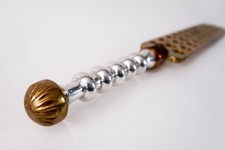
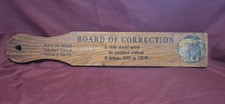
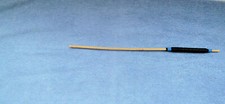
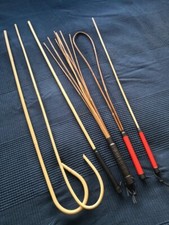
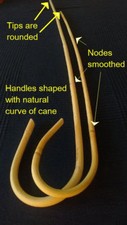
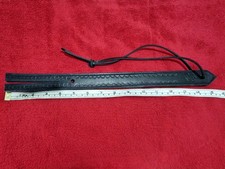
Soon after, Mother bought a proper cane from the market, one that would not break so easily. She kept it in the cupboard, a silent reminder of her expectations. Whenever I was careless or forgot my duties, the cane was there—a constant, if unwelcome, companion until I left home for my studies. Each time, the lesson was the same: to try harder, to be better, to honour the love and sacrifice that filled our little flat.
Some may say Mother’s ways were old-fashioned, and perhaps they were.