(gap: 2s) In the heart of the Welsh countryside, nestled among rolling green hills and winding lanes, stood the village of Gwernogle. Here, the air was always fresh with the scent of rain and wildflowers, and the sound of children’s laughter echoed from the village green to the slate-roofed cottages. In one such cottage lived young Peter, a boy with a mop of unruly hair and a mischievous twinkle in his eye. He shared his home with his mother—a woman of gentle strength, always in her woollen cardigan and sensible slippers—and his two older sisters, Cathy and Jean, who were as quick to giggle as they were to scold.
The cottage itself was a picture of homely comfort. The living room was bright with floral settees, the mantel crowded with black-and-white photographs and a ticking carriage clock, and the upright piano in the corner often filled the air with sweet melodies. The kitchen always smelled of baking bread or simmering stew, and the radio, tuned to BBC Radio Cymru, played softly in the background. In Peter’s small bedroom, sunlight danced across patchwork bedding and faded paisley wallpaper, while a battered Tom Jones poster watched over his dreams.
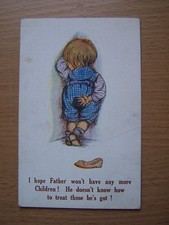
(short pause) Life in Gwernogle was simple, but it was not without its rules. Mother believed that children should grow up honest and kind, and she was firm in her discipline. Her slipper, worn and soft from years of use, rested on the dresser—a silent reminder that mischief would not go unnoticed.
One golden afternoon, as the sun slanted through the kitchen window, Peter’s curiosity got the better of him. He tiptoed across the flagstone floor, eyes darting to be sure no one was watching, and reached into the sweet jar for a handful of barley sugars. The wrappers crackled in his fist, and before he could escape, Mother’s shadow filled the doorway. Her face was stern, but her eyes held a glimmer of understanding.
She took Peter gently by the hand and led him into the sitting room, where the clock ticked and the piano gleamed in the afternoon light. “Peter,” she said, her voice calm and steady, “you know it is wrong to take things without asking. I must teach you a lesson so you will remember to be honest.” She sat on the floral settee, placed Peter across her lap, and with a loving but resolute hand, drew down his trousers and pants. Peter’s cheeks flushed with embarrassment, but he did not protest.
Mother reached for her slipper, its leather soft but firm, and delivered six sharp smacks to Peter’s bare bottom. Each one rang out in the quiet room—“One,” she counted, “two, three, four, five, six.” Peter’s eyes filled with tears, and he gave a little sob, for the smacks stung, but he knew he had done wrong. He lay still, determined to show Mother he was sorry.
When the last smack had fallen, Mother lifted Peter up and hugged him close, her arms warm and comforting. “There, my dear,” she whispered, “it is over now. I hope you will remember this lesson and always be truthful.” Peter nodded, wiping his eyes, and whispered, “Thank you, Mother. I shall try my very best.” The sting faded, but the lesson remained, and Peter felt lighter for having been forgiven.
(pause) The days in Gwernogle passed with the rhythm of village life—school in the mornings, chores in the afternoons, and adventures in the fields and lanes. But sometimes, mischief found Peter again. Once, tempted by the shiny coins in Mother’s purse, he slipped a penny into his pocket. The guilt weighed on him, and when Mother discovered the missing coin, she called him into the kitchen.
“Stealing is never right, Peter,” she said, her tone gentle but firm. She fetched the wooden ruler from the kitchen drawer, and Peter, knowing what was to come, obediently bent over her knee. Mother gave him eight crisp smacks with the ruler, counting each one aloud: “One, two, three, four, five, six, seven, eight.” The ruler stung more than the slipper, and Peter’s bottom tingled, but he understood the importance of honesty and never took what was not his again.
(short pause) There were other lessons, too. Once, Peter and his sisters were caught giggling behind the hawthorn hedge after they had tracked muddy footprints across the clean kitchen floor. Mother, with a sigh, fetched the table tennis bat from the cupboard. “You must learn to respect the home we share,” she said. Each child received four firm smacks on the seat of their trousers—twelve in all, three for Cathy, three for Jean, and six for Peter, as he had led the mischief. The bat made a sharp sound, but Mother’s hand was never cruel, and afterward, she gathered them all for a warm embrace and a slice of Victoria sponge.
As Peter grew older, the spankings became less frequent, but Mother remained vigilant. For more serious offences—such as fibbing about broken crockery or shirking his chores—she would use the kitchen spatula, always giving exactly ten smacks, no more and no less. The ritual was always the same: Peter would be called into the parlour, the offence explained, and the punishment delivered with fairness and love. Afterward, Mother would hold him close and remind him, “You are a good boy, Peter, but even good boys must learn right from wrong.”
Peter never resented his punishments. He understood that a sore bottom was a small price to pay for learning the difference between right and wrong, and he always felt better after Mother or his sisters forgave him. The cottage was filled with laughter and forgiveness, and Peter knew he was loved.
When Peter was nearly twelve, Mother decided he was old enough for other kinds of discipline. Now, if he was naughty, he might be sent to his room or forbidden to play outside with his friends. Peter missed the closeness of his childhood, but he never complained. Sometimes, he would sit with Jean by the fireside and talk about the old days. Jean would laugh and say, “If you ever need another lesson, you know where to find me!” Peter would blush and quickly change the subject.
Peter was a talented artist, just like his mother. He loved to draw pictures of children playing in the garden, or of his family gathered around the piano. Sometimes, he would draw scenes of naughty boys being punished, always with a lesson learned and a smile at the end. His drawings were full of life and colour, capturing the warmth and order of their home.
One rainy afternoon, Peter left a drawing on his desk and forgot to put it away. When he returned, he found it had been moved. He wondered if Mother or his sisters had seen it, but no one said a word. Peter felt embarrassed, but he hoped that whoever had found it understood that he was only remembering the lessons he had learned.
Some weeks later, when Mother was out for the evening, Cathy and Jean decided it was time for Peter to have one last lesson. The fire crackled in the grate, and the room was cosy with lamplight. “Peter,” said Cathy, “for old times’ sake, you shall have twelve smacks—six from each of us—so you will always remember to be honest and kind.” Cathy sat on the sofa and placed a towel across her knees. Peter, knowing he must be brave, lay across her lap. Cathy gave him six firm smacks, counting each one: “One, two, three, four, five, six.” Then Jean took her turn, and Peter received six more: “Seven, eight, nine, ten, eleven, twelve.” His bottom was sore, but he knew he had been fairly punished, and the sisters hugged him tightly, telling him how proud they were of the young man he was becoming.
(pause) There were other small incidents, too—like the time Peter and his friend Tom dared each other to climb the old apple tree in the vicar’s garden. When Mother found out, she called both boys in, and each received four smacks with the slipper, trousers down, as a reminder to respect other people’s property. The boys apologised to the vicar, and he rewarded their honesty with a bag of windfall apples.
And so, in the little cottage in Gwernogle, Peter grew up to be a kind and honest boy, thanks to the gentle guidance and firm discipline of his mother and sisters. Whenever he saw the old slipper on the dresser, he remembered that a loving family always teaches its children the difference between right and wrong. The lessons were never cruel, but always fair, and the cottage was filled with warmth, laughter, and the promise of a bright tomorrow.