(gap: 2s) In the gentle days of my childhood, each summer was a golden thread woven into the tapestry of my memory. Our family holidays by the sea were filled with laughter, the scent of salt air, and the quiet assurance of a loving home. I was, by nature, a well-behaved girl, and seldom did I find myself in any real mischief. On the rare occasions when I was chastised, my mother’s hand was firm but never cruel, and the lesson was always clear: goodness and honesty are the truest rewards.
(short pause) Yet, there is one day that stands out, as bright and sharp as the sunlight on the Skegness sands. I was thirteen years old, on the cusp of growing up, and it was the summer of 1968. Our neighbourhood was peaceful, with rows of pastel guesthouses and the distant sound of children at play. That afternoon, I joined a group of children for a game of baseball, my heart fluttering with excitement and a little fear.
(pause) The sun shone warmly as I took my place to bat. I gripped the bat tightly, feeling both nervous and eager. When the ball came sailing towards me, I swung with all my might. To my astonishment, the ball flew straight and true—right through the window of our neighbour, Mr. Hargreaves. He was a serious man, known for his neatness and order. For a moment, all was still. Then, the children scattered, our laughter replaced by the hurried patter of feet and the hope that perhaps, just this once, we might not be discovered.
(short pause) But such hopes are seldom fulfilled. That very evening, as the sky turned pink above the seafront, my parents received a telephone call. Mr. Hargreaves, ever watchful, had already discovered the culprit, aided by Mrs. Evans, who had seen everything from her window. I was easily recognised, my plaits and gingham dress marking me out among the boys. My parents listened gravely, promising to speak with me and to make amends.
(pause) The next day, I returned home from school, the air heavy with the scent of boiled cabbage and the distant tang of the sea. My mother and father awaited me in the parlour, their faces serious. “Libby,” my father began, his voice gentle but resolute, “is there something you wish to tell us?” My heart pounded. I shook my head, cheeks aflame, but my mother’s wise eyes searched my face. “Libby, we know about the window,” she said softly. “It is always better to tell the truth.”
(pause) I hesitated, the words caught in my throat. “It was an accident,” I whispered at last, my voice trembling. “I did not mean to break it.” My father sighed, disappointment clear in his kind face. “It is not the accident that troubles us, Libby, but the untruth. Trust is the foundation of our family.”
(short pause) Tears welled in my eyes as I listened. My father’s disappointment was a heavy burden. My mother, ever practical, straightened her skirt and pointed to the old armchair by the window. “Come here, Libby,” she said, her tone gentle but firm. “You know what must happen.”
(pause) I obeyed, my legs trembling as I bent over her knee. The floral pattern of her dress blurred before my eyes. My father stood nearby, arms folded, his silence full of meaning. My mother’s hand was steady as she raised it, and with each firm smack upon my bottom, she spoke: “You must always tell the truth, Libby. Always.” The sound of each smack was clear, and though my mother’s hand was not harsh, the lesson was keenly felt. The warmth in my bottom grew, but it was the shame of my actions that stung most of all.
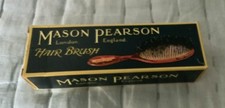
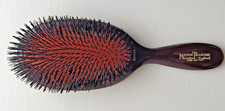
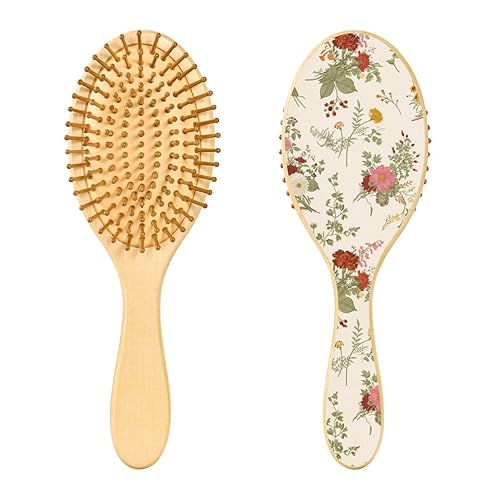
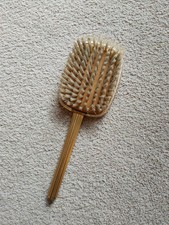
(short pause) At first, I tried to be brave, biting my lip and willing myself not to cry. But when my mother reached for her wooden hairbrush, my resolve faltered. The sharp sting brought tears to my eyes, and soon I was sobbing, “I am sorry, Mother! I am so very sorry!” My mother’s face softened as she finished. “This is for your own good, Libby. I hope you will remember this lesson always.”
(pause) When it was over, my mother stood me in the corner, lifting the back of my dress so that my punishment would be plain to all. The faded floral wallpaper seemed to close in around me as I stood, cheeks wet and bottom throbbing, listening to my mother’s gentle words. “Honesty, my dear, is the foundation of trust. Without it, a family cannot stand.”
(short pause) After what felt like an age, my mother handed me a handkerchief. “Dry your eyes, Libby. We must go and apologise to Mr. Hargreaves.” I pleaded, my voice small, “Please, Mother, not now—not after…” But she shook her head, her expression kind but resolute. “It is either this, or you may have another spanking before your brothers and sisters after supper. The choice is yours.” I knew, of course, that there was no real choice at all.
(pause) The walk to Mr. Hargreaves’ house was the longest I had ever known. My legs felt heavy, my face blotchy from tears. My parents walked on either side of me, their presence both comforting and a reminder of my shame. Mr. Hargreaves answered the door, his son—a tall, serious boy—standing behind him. I stammered out my apology, my voice quivering. “I am so sorry, sir. It was an accident. I did not mean to—” My mother placed a gentle hand on my shoulder, steadying me.
(short pause) My father spoke next, his tone measured and calm. “We shall pay for the window, of course.” Mr. Hargreaves nodded, his stern features softening. “I hope you did not punish Libby too harshly. Accidents do happen.” I felt my cheeks flush anew as my mother replied, “She has had a good smacked bottom, I am afraid. But she has learned her lesson.”
(pause) The days that followed were marked by a lingering soreness, both in body and in spirit. Sitting at the breakfast table was a trial, and my brothers and sisters watched me with a mixture of sympathy and curiosity. My parents gave me extra chores—dusting, washing up, and polishing the brass doorknobs—while my siblings were excused. Each task reminded me of my misstep, but also, in a gentle way, helped me to make amends.
(short pause) Now, as I look back, I see that day as a turning point—a lesson written not only on my skin, but upon my heart. In those days, a spanking was not uncommon, but it was never given in anger. My parents believed in discipline, but also in forgiveness and the chance to put things right. I learned that honesty, though sometimes difficult, is always the best path. And I learned, too, that love can be found even in the sternest of lessons, shining through like sunlight on a bracing Skegness morning.