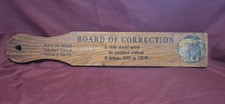
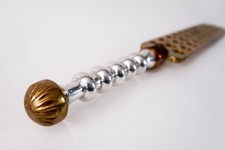
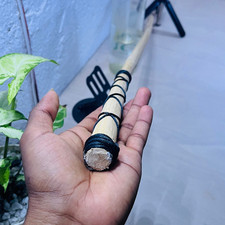
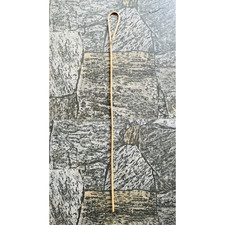
(gap: 2s) My parents were both born and raised in Newcastle, their childhoods unfolding in the shadow of the Tyne, in red-brick terraces and the echo of shipyard whistles. The city in the 1950s was a place of hard edges softened by community, where neighbours knew each other’s business and children’s laughter mingled with the distant clang of trams. Both my mother and father grew up in homes where discipline was as much a part of daily life as the Sunday roast or the ritual of polishing shoes for chapel. Smacking wasn’t just accepted—it was expected, a thread woven through the fabric of family life, passed down like a battered recipe book or a set of heirloom teacups.
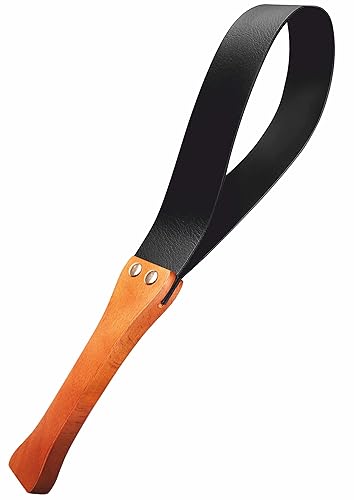
(short pause) My father’s memories of childhood are tinged with the sharp tang of fear and the dull ache of bruises. His father, a stern man with hands calloused from years at the docks, believed in the belt as a tool for shaping boys into men. The ritual was always the same: the boys lined up in their vests and underpants, the air thick with anticipation and dread. The belt would crack across their backsides, leaving angry red welts that bloomed into purple bruises by morning. The pain was sharp, but it was the humiliation—the knowledge that you’d failed, that you’d disappointed your father—that lingered longest. Even years later, Dad would unconsciously rub the small of his back when he spoke of those days, as if the memory itself still stung.
(pause) I remember one story in particular—a family gathering, laughter echoing through the house, when Grandad lost his temper with one of my brothers. The belt came out, swift and unyielding, and my brother’s cries cut through the chatter like a knife. Later, Dad and Grandad had a blazing row in the kitchen, voices raised and faces flushed. My brother nursed a constellation of bruises down his thigh, and after that, none of us dared cross Grandad again. The lesson was clear: authority was not to be questioned, and pain was a price you paid for stepping out of line.
(short pause) Mum’s childhood was a different world, though no less strict. She was an only child, her parents solidly middle class—her father a bank manager, her mother a woman of formidable will and impeccable manners. Their house was filled with the scent of beeswax polish and the quiet tick of the grandfather clock. Mum attended a private school in Newcastle, her days marked by the rustle of starched uniforms and the clipped tones of teachers who believed in discipline, if not always in violence. Corporal punishment was rare at school—surprisingly so, given the era—but emotional shaming was an art form. A raised eyebrow, a withering remark, the icy silence that followed a minor transgression—these were the weapons wielded by teachers and parents alike.
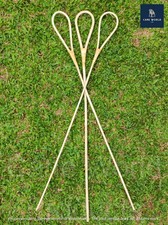
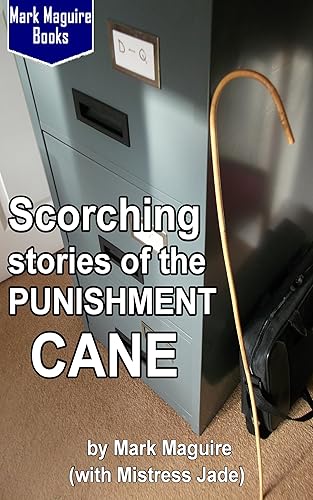
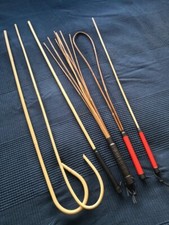
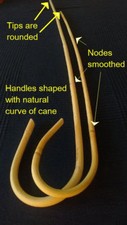
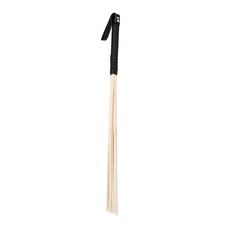
(pause) At home, though, Nanny ruled with a cane as well as a tongue. Punishments were meted out with a cold precision: six strokes on the hands, and if the offence was grave enough, another six on the bottom and thighs. Mum would describe the ritual in hushed tones—the slow walk to Nanny’s study, the heavy velvet curtains drawn against the world, the sting of the cane on her palms, and the sick twist of fear in her stomach as she bent over the armchair, knowing her skirt would soon be lifted. The pain was sharp, but it was the anticipation—the waiting, the knowledge of what was coming—that truly punished her. She often told us, with a wry smile, how lucky we were to get only a smack with her hand.
(short pause) We didn’t see Nanny and Grandad much when I was small. They were distant, both emotionally and geographically, their visits rare and formal. I remember one afternoon, Nanny’s voice slicing through the air as she told Mum she wasn’t too old for a thrashing. The words hung in the room like a threat, and even as a child, I felt the chill of their meaning. I watched my mother’s face tighten, her lips pressed into a thin line, and I resolved then and there never to give Nanny a reason to look my way.
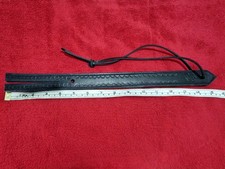
(pause) In our own home, discipline followed the old patterns, though softened by time and circumstance. My siblings and I were smacked by our same-sex parent—a tradition that seemed both arbitrary and inevitable. Dad gave the boys the belt, but never with the same force his father had used. The ritual was almost perfunctory: a few quick whacks over their underwear, enough to leave their bottoms red and smarting, but the marks faded quickly. My brothers would emerge from the ordeal with watery eyes and forced bravado, insisting it hadn’t hurt, but I saw the way they flinched when Dad raised his voice.
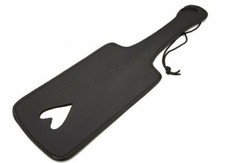
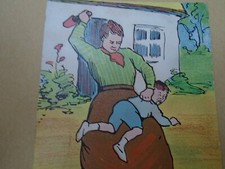
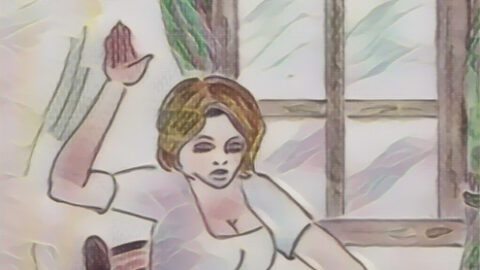
(short pause) For my sister and me, Mum’s punishments were longer, more drawn out. She would sit on the edge of the settee, her skirt neatly pressed, and pull us firmly across her lap. The smacking could last half a minute or more, her hand rising and falling in a steady rhythm, the sound echoing through the house. Sometimes it felt like it would never end, especially if we’d embarrassed her in front of company. The sting was sharp, but it was the shame—the burning flush in our cheeks, the knowledge that others were watching—that hurt most of all.
(pause) The punishment I remember most was on a rare warm summer’s day, the kind that made the whole street smell of cut grass and sun-warmed tarmac. I refused to come in for tea, too caught up in a game of cricket with the other children. Mum marched out, her face thunderous, hands planted on her hips. She grabbed me by the arm and hauled me over to the low stone wall in front of our house. Before I could protest, I was across her lap, my bottom bared to the world. The smacking was swift and thorough, but it was the humiliation—my friends’ wide eyes, the snickers and whispers—that burned hottest. I’d seen others punished in public, but never imagined it would happen to me. That day, I learned that pride could be stripped away as easily as a pair of shorts.
(short pause) School in Newcastle during the 1970s was a world unto itself. The classrooms smelled of chalk dust and boiled cabbage, the corridors echoing with the slap of plimsolls on linoleum. Teachers were quick with a smack or a slap, their tempers as unpredictable as the northern weather. At primary and middle school, the headmistresses kept a cane for the boys and a slipper for the girls, both displayed in the staff room like trophies. I was never slippered, but I did get my hands smacked with a ruler in assembly, along with the rest of the rounders team, for fighting at a match. The sting faded quickly, but the shame of standing in front of the whole school, palms outstretched, lingered for days.
(pause) High school was rougher, less formal. There was little in the way of official punishment, but plenty of ear pulling, head slapping, and the occasional board rubber hurled across the room. One home economics teacher was notorious for smacking the backs of pupils’ thighs in front of the class. It didn’t hurt much, especially for the boys in their thick school trousers, but it was mortifying to be treated like a naughty child in front of your peers. The real punishment was always the humiliation, the knowledge that you’d been singled out and found wanting.
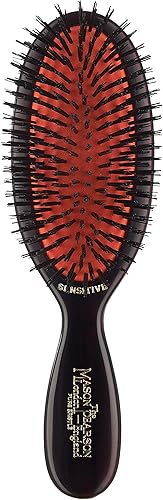
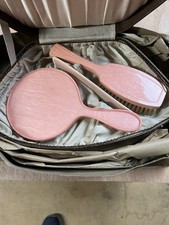
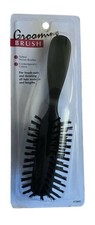
(short pause) My last smacking at home came when I was a teenager, old enough to know better but still young enough to get caught. I hadn’t been spanked in a year or two, but one night I was brought home by the police after sneaking into an over-18 club in the city centre. Mum and Dad were waiting in the kitchen, faces pale with anger and worry. The air was thick with disappointment, the silence broken only by the ticking of the kitchen clock. Mum’s voice was cold as she told me to fetch the hairbrush. I fought her every step, but she was stronger than she looked. She pulled me over her lap and brought the heavy plastic brush down on my bottom again and again. The sting was fierce, the bruises lasting nearly a week, but what hurt most was the look in her eyes—a mixture of fear, anger, and something like heartbreak. I knew I deserved it, and in a strange way, I was grateful. It was the last time I would ever be treated like a child.
(pause) My husband’s childhood in Newcastle was much the same, though his struggles were different. He was a sensitive boy, quick to tears and slow to anger, and the world seemed always a little too loud, a little too bright. He was diagnosed with autism and ADHD years later, but as a child, he was simply “difficult.” His mother slapped his legs for every minor infraction, her patience worn thin by the constant demands of daily life. His father, a quiet man with a quick temper, would sometimes reach for the belt, though never with the same ritual as my own father. At school, he was regularly strapped, the teachers favouring the belt over the cane. The marks faded, but the sense of being different, of never quite fitting in, lingered long after the bruises had healed.
(long pause) Looking back, I see now how discipline shaped us all—how it bound us together and set us apart, how it taught us about power, shame, and forgiveness. The houses may have changed, the streets grown quieter, but the echoes of those days linger still, woven into the fabric of who we are.