(gap: 2s) In the gentle hush of Little Elms, where the air always seemed tinged with the scent of coal smoke and wildflowers, I attended a private high school that clung to old traditions. Among them was the practice of paddling—a discipline as much a part of our days as the morning bell or the taste of lumpy porridge.
(short pause) There were many ways a child could find themselves in trouble: a tie askew, a missing homework, or the sin of tardiness. The rules were clear, and the consequences, though dreaded, were never a secret. “Three strikes, and you’re off to the principal,” the teachers would say, their voices stern but not unkind.
(pause) The walk to the principal’s office was a journey of reflection. I remember the hush of the corridor, the echo of my shoes on the linoleum, and the way the sunlight slanted through the high windows, painting golden bars across the floor. There, in the waiting room, I would sit for what felt like an eternity, my heart thumping, my mind racing with regret and resolve.
(short pause) Mr Donovan, the principal, was a tall man with a bristling moustache and a voice that rumbled like distant thunder. Mrs Carrington, the vice-principal, wore her hair in a tight bun and had a gaze that could pierce through any fib. They believed in discipline, but also in fairness. “Why are you here, lad?” Mr Donovan would ask, his tone grave but not without a glimmer of understanding.
(pause) After a lecture that seemed to stretch on forever, they would ask, “What do you think your punishment should be?” It was a test of honesty and humility. “The paddle, sir,” I would reply, my voice barely above a whisper. It was the answer they expected, and perhaps, in their own way, hoped for.
(short pause) Then came the orange card—a small, bright slip that bore my name, my homeroom, and the number of swats I was to receive. It was a badge of shame, but also a promise: that I would have a chance to learn, to do better.
(pause) The card was delivered to the gym teachers, Mr Reynolds and Miss Corland, by a student runner. I remember the hush that would fall over the class as the card was pinned to the cork board. Whispers would ripple through the room, and I would feel the weight of every eye upon me.
(short pause) Gym class was held only three times a week, and the wait was agony. Each tick of the clock was a reminder of what was to come. I would sit on the hard bench, my hands clenched, my mind replaying every misstep that had led me here.
(pause) When the day arrived, I would change into my gym uniform—thin cotton shorts and a white shirt, offering no protection at all. Miss Corland, tall and brisk, would call me to her office fifteen minutes before the end of class. “Come along, dear,” she would say, her voice gentle but firm.
(short pause) Outside her office, I would wait with the others, each of us silent, lost in our own thoughts. Sometimes, I would hear the muffled cries of a classmate, and my legs would tremble. I always hoped to go first, to get it over with, but fate was rarely so kind.
(pause) Inside, Miss Corland’s office was neat and spare. She would remind me of my offence, her voice calm. “You know why you’re here, don’t you?” she would ask. I would nod, unable to meet her eyes. “Six swats, and two more for being a prefect. You must set an example, you know.”
(short pause) She would explain the rules: “Bend over the table, hands on the bar. No covering, no wiggling.” The table was small and sturdy, with a rod between the legs that I would grip tightly. My heart would pound in my chest, and I would squeeze my eyes shut, bracing myself.
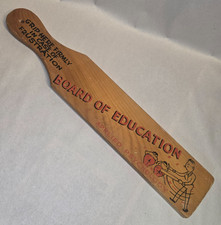
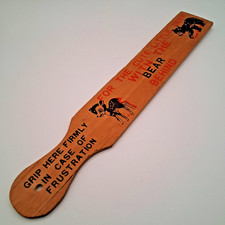
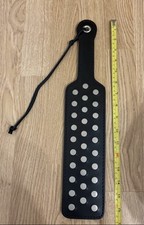
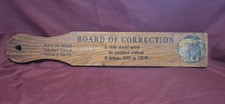
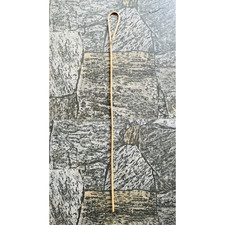
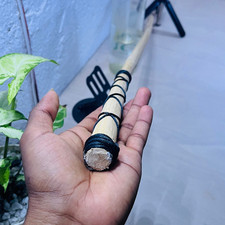
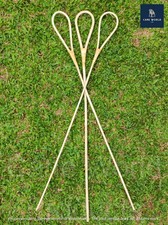
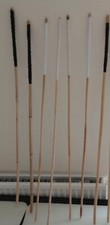
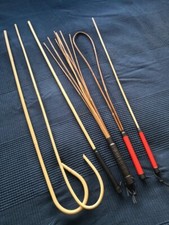
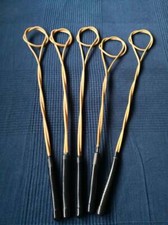
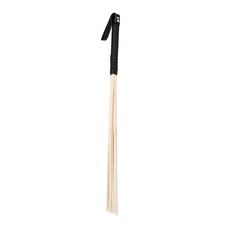
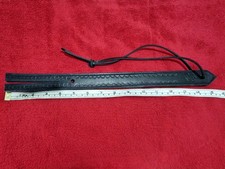
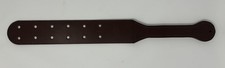
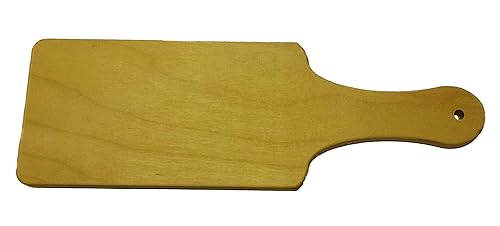
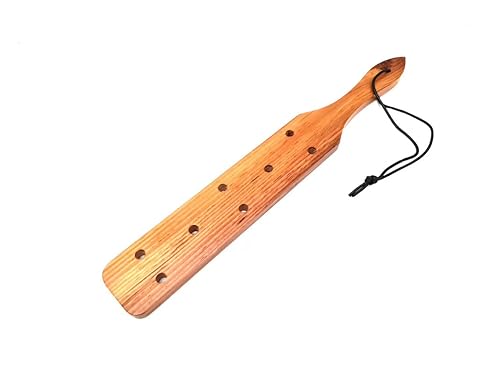
(pause) The paddle itself was a fearsome thing—two feet long, four inches wide, made of dark, polished wood. The handle was wrapped in tape, and I could see the marks of use along its edge. Miss Corland would tap it gently against my backside, a warning and a promise.
(short pause) “Ready?” she would ask, and I would nod, my voice lost. The first swat was always the worst—a sharp crack, a burst of pain that stole my breath. I would gasp, gripping the bar tighter. The second swat would bring tears to my eyes, and by the third, I would be sobbing openly.
(pause) Miss Corland never scolded or mocked. She believed in discipline, but also in mercy. “It’s for your own good, dear,” she would say softly, pausing between swats to let me catch my breath. “We all make mistakes, but we must learn from them.”
(short pause) The extra swats for prefects and team leaders were given with a little more force, a reminder that those who lead must also bear greater responsibility. “You’re a good boy,” she would say, her voice kind. “I know you’ll do better.”
(pause) When it was over, I would lie across the table, sobbing, my face hot with shame and pain. Miss Corland would place a gentle hand on my shoulder, helping me to my feet. “There now,” she would say, “it’s done. Go wash your face and join the others.”
(short pause) The walk back to class was always the hardest. My friends would glance at me with sympathy, some offering a quiet word or a pat on the back. “Hang in there,” they would whisper. “It’ll be better tomorrow.”
(pause) Sitting in class was a torment, the hard plastic chairs unforgiving. Every movement was a reminder of my punishment, but also of the lesson I had learned. The bus ride home, with its bumps and jolts, was another trial, but I bore it in silence, determined to do better.
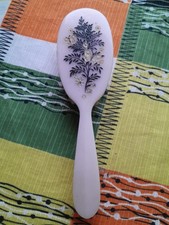
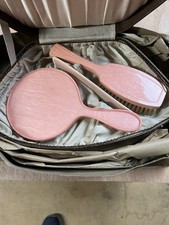
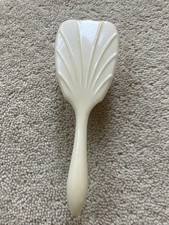
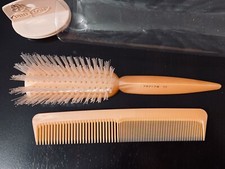
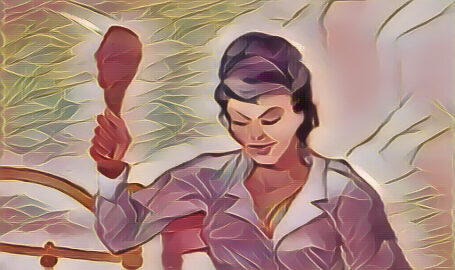
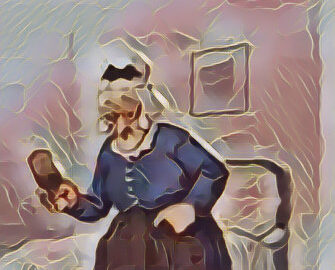
(short pause) But the day was not yet done. The school always sent a note home, and when I walked through the door, I would find my mother waiting, hairbrush in hand. Her face was stern, but her eyes were kind. “Come here, love,” she would say. “We must finish what the school began.”
(pause) In our small parlour, with the fire crackling and the scent of tea in the air, my mother would sit me down. “You know why this must be done,” she would say, her voice gentle. “I want you to grow up strong and good, to make the right choices.”
(short pause) The spanking that followed was not cruel, but caring—a mother’s way of guiding her child. Afterwards, she would hold me close, wiping away my tears. “I love you, always,” she would whisper. “But you must learn.”
(pause) In the quiet of my room, I would reflect on the day’s lessons. Discipline was not just about punishment, but about love and responsibility. In Little Elms, we learned that mistakes could be forgiven, and that every new day was a chance to do better.
(short pause) And so, with a sore backside and a hopeful heart, I would drift off to sleep, dreaming of wildflowers and the promise of tomorrow.