(gap: 1s) Once upon a timr, in the gentle heart of Ashfield Estate, there lived two brothers in a row of slate-roofed houses, where the wind from the Kentish fields would whistle through the narrow lanes and mothers gathered by battered wire fences to share the news of the day. The air was always tinged with the comforting scent of coal smoke and the promise of supper, and the distant hum of scooters was as familiar as the laughter of children at play. The estate itself seemed to breathe—a patchwork of gardens, some wild and overgrown, others neat as a pin, with the faintest trace of honeysuckle drifting through the air when the breeze was just right.
The Brown boys, Tom and Peter, were as different as chalk and cheese. Tom, the elder, was bold and quick to laugh, his knees forever scabbed from climbing the iron railings and chasing after the battered football. Peter, younger by two years, was thoughtful and quiet, his eyes always searching the clouds for shapes and stories. Their days were filled with the clatter of boots on cracked pavement, the taste of barley sugar melting on their tongues, and the thrill of secret adventures in the overgrown hedgerows at the edge of the estate.
Their mother, Mrs. Brown, was a proud and loving woman, always dressed in her neat house frock and a string of imitation pearls. Though her hands ached with arthritis, she managed her home with gentle firmness, pouring tea from a chipped pot and keeping a watchful eye on her boys as they tumbled in from the cold, boots muddy and cheeks rosy from their adventures. The kitchen was always warm, filled with the scent of stewing apples and the faint tang of coal dust, and the gentle clink of teacups was a comfort on even the greyest days.
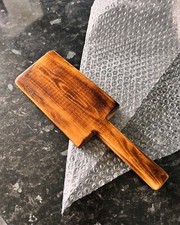
(short pause) Now, in those days, mothers and fathers believed that children must learn right from wrong, and sometimes, a lesson needed to be taught with a firm hand. Mrs. Brown, whose fingers were too stiff for a quick smack, kept a wooden spoon handy—a spoon that had stirred many a pot of porridge and soup, and now served as a gentle reminder of the rules. And, tucked away in the sideboard, lay the old leather strap, a relic from her own childhood, brought out only when the lesson was most important. The boys knew of its presence, and the mere thought of it was enough to make their hearts flutter with a mix of dread and respect.
(pause) One grey afternoon, after a particularly mischievous escapade involving the neighbour’s chickens and a painted moustache on the Beatles poster, the house grew very quiet. Even the walls seemed to listen as Mrs. Brown called her sons into the parlour. The boys shuffled in, eyes lowered, the sound of their boots on the worn linoleum echoing in the small, warm room. Mrs. Brown sat in her favourite armchair by the electric fire, the wooden spoon resting across her lap, her back straight and her eyes kind but serious. The air was thick with anticipation, and the boys’ hearts thudded in their chests, each beat loud as a drum.
(short pause) Tom’s mind raced with memories of past mischiefs—of the time he’d hidden Peter’s best marble, or the day he’d let the neighbour’s cat into the larder. Peter, meanwhile, felt a lump in his throat, his fingers twisting the hem of his jumper as he wondered if his mother’s disappointment would ever fade. They both knew, as all children did, that this was a moment for learning. “You know why you’re here,” Mrs. Brown said softly, her voice gentle but firm. The words hung in the air, as heavy as the faded curtains drawn against the grey afternoon. The boys nodded, unable to meet her gaze, the silence broken only by the faint tick of the mantel clock and the distant sound of The Who drifting through the window.
(pause) With a steady hand, Mrs. Brown guided each boy over her knee, one at a time. The world seemed to shrink to the patchwork of the carpet and the warmth of her skirt. The wooden spoon was raised, and for a moment, all was still. Then—crack!—the spoon landed with a sharp, stinging smack, just enough to bring a tear to the eye and a lesson to the heart. The sound echoed in the little parlour, mingling with the tick of the mantel clock and the faint music drifting in from next door. Tom bit his lip, determined not to cry, but a single tear escaped, tracing a warm path down his cheek. Peter’s breath caught in his chest, the sting of the spoon sharp but fleeting, replaced quickly by the ache of regret.
(short pause) After each smack, Mrs. Brown paused, her hand resting gently on her son’s back. She never hurried, for she knew that discipline, like love, must be measured and true. The boys sniffled quietly, their tears falling onto the faded carpet, but they understood that this was not anger, but care—a mother’s way of guiding her children to be good and kind. In those moments, the boys felt the weight of their actions, but also the warmth of their mother’s love, as steady and sure as the ticking clock on the mantelpiece.
(pause) When the lesson was done, Mrs. Brown gathered her sons close, smoothing their hair and wiping their cheeks with her soft, work-worn hands. She offered them a sweet or a slice of toast, her voice warm and loving. “You must learn to be good boys,” she would say, “for the world is not always gentle, and kindness is the best thing you can give.” The boys would nod, the ache in their backsides a small price for the comfort of her embrace and the knowledge that they were loved. The fire crackled softly, casting golden shadows on the walls, and the boys nestled into their mother’s arms, the troubles of the day already fading like mist in the morning sun.
(long pause) Life on Ashfield Estate was not always easy, but it was filled with small joys and important lessons. The boys learned to share, to say sorry, and to look after one another, for family was the greatest treasure of all. In the evenings, as they huddled together by the fire, the sound of The Who drifting through the window, they knew that love could be both gentle and strong, and that a mother’s discipline was just another way of showing how much she cared. Sometimes, Tom would whisper stories to Peter as the shadows grew long, and Peter would listen, comforted by the steady rise and fall of his brother’s voice and the soft, familiar scent of their mother’s lavender soap.
(long pause) And so, in those days, a wooden spoon and a mother’s wise words were as much a part of growing up as hopscotch on the pavement or the taste of barley sugar on the tongue. Though the world has changed, the lessons of those gentle Sundays remain—reminding us always to be kind, to be honest, and to cherish the warmth of home and family. The memory of those days lingers, like the scent of coal smoke on a winter’s night, or the echo of laughter in the narrow lanes, a gentle reminder that love, in all its forms, is the truest lesson of all.