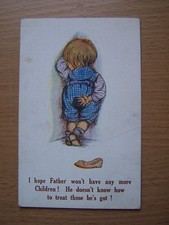
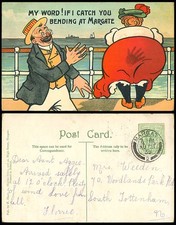
In retrospect, it is perhaps unsurprising that children of earlier generations often imitated the customs and discipline of the schools they attended. Corporal punishment was then a familiar feature of educational life, and many youthful games reflected the authority structures that surrounded them.
One gentleman recalls that the first time he experienced a school-style punishment was not in the classroom itself, but while playing “school” in the garden of a schoolmaster’s home. At approximately eleven years of age, he and a companion reenacted the disciplinary routines common at the time, using a length of garden cane as part of their game. Though the incident caused discomfort and embarrassment, he remembers chiefly the strange mixture of apprehension and fascination that such childhood role-playing could evoke. The game ended abruptly when the boys were called indoors for tea by a parent who had been quietly tending the garden nearby.
Similar recollections were common among those educated during the 1940s and 1950s, when strict discipline was regarded as an ordinary aspect of school life. One former pupil remembered watching a group of girls in the playground playing at “schools,” arranging themselves in a line while one child assumed the role of teacher and lightly struck the backs of their hands in imitation of the punishments administered by the headmistress. In many schools of that era, corporal punishment was among the principal methods used to maintain order and discipline.
The same writer recalled how the headmistress would patrol the classroom while pupils completed arithmetic or writing exercises. Children judged inattentive or untidy might be summoned to stand at the front of the class until several had accumulated, after which each would receive a reprimand and a light punishment before returning to their desks. Such scenes, once commonplace, left vivid impressions on many who experienced them.
Family gatherings also provided occasions for childhood games involving mock punishments. One contributor remembered spending summers with cousins in the English countryside shortly after the Second World War. During one such visit, a teasing rhyme led to a playful smack on the backside, and thereafter the children occasionally incorporated similar forfeits into their games. Such activities were generally viewed at the time as harmless rough-and-tumble behaviour among children.
Others recalled that games involving imitation discipline continued throughout childhood. Children adapted familiar parlour games and sporting contests so that the loser received some light-hearted penalty, often mirroring the forms of discipline then common in homes and schools. These memories reflect less a spirit of cruelty than the extent to which authority and punishment formed part of the social fabric of the age.
One former boarding-school pupil, educated during the 1960s and 1970s, remembered that strict codes of conduct and discipline were deeply embedded in school life. Games among the boys frequently borrowed elements from everyday school routine, with children assigning one another the roles of teachers, prefects, and pupils. Looking back, he regarded these activities as expressions of youthful curiosity and imitation rather than anything more serious.
Taken together, these recollections offer an unusual glimpse into the culture of British childhood in the mid-twentieth century. Practices that would now seem severe or inappropriate were then widely accepted, and children naturally reproduced aspects of adult authority in their own games and amusements.