(gap: 2s) The council school of the 1960s squatted at the heart of the estate like a brooding toad, its red-brick skin streaked with rain, its tall, draughty windows rattling in the wind. On grey mornings, the air was thick with the scent of coal smoke and damp wool, and the clang of the school bell—harsh, metallic, and unyielding—echoed across the estate, summoning children from every alley and cul-de-sac.
The children came in a shuffling parade, their uniforms sturdy but never splendid—grey jumpers with sagging elbows, navy skirts or shorts, and shoes that had braved more winters than they cared to count. Each coat, patched and faded, bore a name written in biro on a fraying label, and hung in neat, regimented rows along the corridor. The playground was a patchwork of cracked tarmac and tufts of grass, encircled by a low iron fence and watched by teachers with sharp eyes and sensible shoes. Skipping ropes slapped the ground, battered footballs soared, and marbles clicked and clattered in the dust. At break time, the air was alive with shrieks and laughter, but at the shrill blast of the whistle, order returned as if by magic, and every child snapped to attention, standing in lines as straight as soldiers.
Inside, the day unfolded with the precision of clockwork: assembly in the echoing hall, hymns sung from memory, and the headmistress’s voice booming out the week’s news. Lessons ticked by to the rhythm of the classroom clock and the scratch of chalk on the blackboard. There was a sense of belonging—everyone knew everyone, and news, whether of a lost lunchbox or a scraped knee, travelled at lightning speed. The teachers, mostly women, kept a vigilant watch, ready to praise a neat exercise book or correct a wandering mind.
The classrooms themselves were a world apart—walls painted a weary cream, their surfaces scuffed and scratched by generations of restless hands. The air was thick with the mingled scents of chalk dust, boiled cabbage from the canteen, and the faint tang of disinfectant. Desks were arranged in neat rows, each one carved with initials and secret messages, and the blackboard loomed at the front like a judge’s bench.
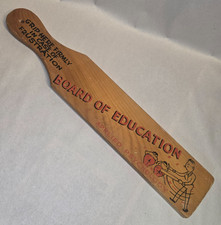
Discipline at the council school was as much a part of the day as arithmetic or morning prayers. The moment a teacher’s voice sharpened, the room would fall silent, and every child’s heart would thump with anticipation. Punishments were not whispered threats but public rituals, carried out with a brisk, unwavering hand.
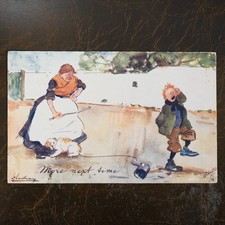
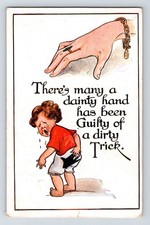
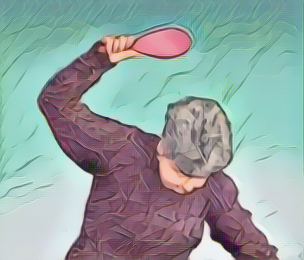
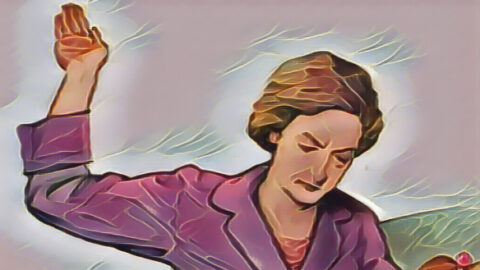
When a boy was caught whispering or fidgeting, the teacher would call his name in a voice that brooked no argument. “Stand up, Thomas!” she would command. Thomas, cheeks aflame, would shuffle to the front, his hands trembling. Miss Parsley, her face set in a mask of stern duty, would roll up her sleeves. “Six smacks, Thomas. Let this be a lesson to you.” The ruler would descend—one, two, three, four, five, six—each smack sharp and echoing in the hush. Thomas would bite his lip, his eyes brimming with tears, but he would stand tall, for to show weakness would only make it worse. The pain would burn in his palm, a reminder of the lesson learned.
If the offence was less grave, the punishment might be three smacks—quick, stinging blows that made a boy’s hand smart and his friends wince in sympathy. The teacher’s eyes would sweep the room, daring anyone to giggle or whisper. The culprit would return to his seat, rubbing his hand and blinking back tears, while the rest of the class sat up straighter, their hearts pounding with relief that it was not their turn.
The girls, it seemed, were seldom summoned for such treatment. If they were, it was usually a single smack, delivered with a sigh and a gentle warning. The teachers, all women, reserved their sternest looks and hardest smacks for the boys, as if determined to hammer sense and respect into them. Sometimes, a boy would begin to cry before the first smack had even landed, the anticipation far worse than the pain itself. The teacher might pause, her expression softening for a fleeting moment, but the lesson would continue—discipline must be seen to be done.
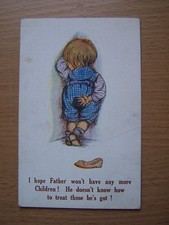
The most dreaded words in the school were, “Go to the headmistress’s office!” Mrs. Hibard, the headmistress, was a formidable woman with a voice that could silence a room and a reputation for fairness, but also for unyielding firmness. If you were sent to her, it meant ‘six of the best’—six hard smacks with the slipper, delivered across the palm or, for the gravest offences, across the seat of your trousers. The sound of each smack would echo down the corridor, and every child in the school would sit a little straighter, reminded that rules were rules, and respect must be earned.
There were stories, whispered in the cloakrooms and behind the bike sheds, of boys who had been sent to Mrs. Hibard for fighting or for swearing at a teacher. “She keeps the slipper in her bottom drawer,” the older boys would say, eyes wide with a mixture of fear and awe. “It’s got a split sole, so it stings twice as much.” One afternoon, I watched as Billy Jenkins, the terror of Class 4B, was marched down the corridor, his chin set and his fists clenched. He returned ten minutes later, eyes red, rubbing his backside, and for the rest of the week, he was the quietest boy in the school.
Sometimes, the punishments were almost comical in their inventiveness. There was the time when Sally Green, caught chewing gum in class, was made to stand at the front and recite the times tables with the gum stuck to her nose. Or when Peter Watts, who had drawn a moustache on the portrait of the Queen, was made to scrub the entire corridor floor with a toothbrush. Yet even these lighter moments carried a lesson: mischief would be met with swift and certain justice, but fairness too.
The teachers believed that a sore hand or a tearful eye was a small price to pay for learning right from wrong. And though we dreaded the punishments, we knew, deep down, that they were meant to make us better—braver, kinder, and more honest, just as every good child in a proper story ought to be.
(pause) On rainy afternoons, when the playground was a sea of puddles and the sky pressed low and grey against the windows, we would huddle in the classroom, listening to the rain drumming on the glass and the distant sound of the caretaker’s radio. The world outside seemed far away, and the school became our whole universe—a place of rules and rituals, of laughter and tears, of lessons learned the hard way.
(short pause) Looking back, the discipline seems harsh, almost unthinkable now. But in those days, it was simply the way of things—a world where respect was earned, not given, and where every smack of the ruler or slipper was a lesson in courage and humility. We wore our bruises like badges, and the stories of our punishments became legends, retold in whispers and giggles long after the sting had faded.
(pause) And so, the council school of the 1960s stands in memory, its walls echoing with the voices of children and the stern commands of teachers, a place where we learned not just our sums and spelling, but the meaning of fairness, the price of mischief, and the quiet, stubborn pride of standing tall, even when our hands were sore and our eyes were bright with tears.