(gap: 2s) On a brisk Sunday afternoon, the seaside town of Skegness was alive with the gentle hum of families enjoying their holiday. The promenade, lined with striped deckchairs and colourful windbreaks, was a scene of cheerful order. Children, clad in their neat jumpers and sturdy shoes, played along the sand, while mothers, attired in floral dresses and sensible headscarves, gathered by the tea kiosk, their prams arranged tidily in a row.
(short pause) Amidst this pleasant bustle, I recall with fondness our housekeeper, Mrs. Ingrid, who had journeyed from the distant, sunlit shores of Jamaica to assist my parents. She was a woman of great warmth and wisdom, having raised three children of her own with a firm yet loving hand before ever setting foot in England.
(pause) Mrs. Ingrid’s laughter was as bright as a summer’s morning, but her discipline was as steady and bracing as the North Sea wind. “Children must be guided, just as little boats must be steered,” she would say, her eyes kind as she poured tea from her brown teapot. “And sometimes, a gentle nudge is needed to keep them on course.”
(short pause) I was always curious about the manner in which Mrs. Ingrid had managed her lively family in Jamaica. At night, as the wind rattled the windowpanes of our guesthouse room, I would imagine the sound of her children’s laughter—and, on occasion, the sharp cry of a lesson being learned.
(pause) One rainy afternoon, as the mist drifted in from the sea and the streets shone with puddles, I summoned the courage to ask Mrs. Ingrid about her children. She smiled, her broad hands folded in her lap—hands I knew well, for they had often guided me back to the path of good behaviour.
(short pause) “My daughter, Ruth, was a well-behaved girl,” Mrs. Ingrid began, her voice gentle. “She required no more than a stern glance to remind her of her duties. But my sons—Winston and Gilbert—were rather more spirited.”
(pause) I listened eagerly as Mrs. Ingrid recounted her tales. “Winston, the eldest, was clever and quick-witted, but sometimes too bold. Gilbert, the younger, was full of mischief and often found himself in trouble. When Winston was disobedient, I would seat him upon my knee and explain his error. If he persisted, I would administer three firm smacks with my open hand upon his clothed bottom. He would gasp, his eyes wide, but he always apologised and resolved to do better.”
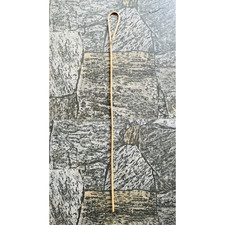
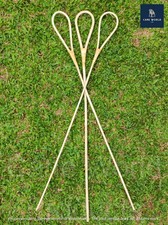
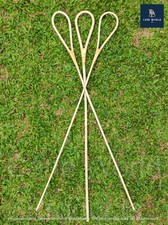
(short pause) “Gilbert, however, was a different matter. Once, he and his friends let the goats into the neighbour’s garden, causing great mischief. When the constable brought him home, I knew a sterner lesson was required. I fetched a slender switch from the guava tree, as was the custom in our home. Gilbert was told to bend over, and I gave him six brisk strokes across the seat of his trousers. He cried out, and tears rolled down his cheeks, but he understood the seriousness of his actions. For several days, he sat with care, and he never let the goats out again.”
(pause) Mrs. Ingrid’s voice was always gentle as she spoke of these matters. “Discipline, when given with love, is never cruel. A warm bottom is soon forgotten, but the lesson remains. My children learned to respect others, to be honest, and to take responsibility for their actions.”
(short pause) I pictured Winston, eyes shining with understanding after his three smacks, and Gilbert, rubbing his sore bottom but determined to behave. I imagined Ruth, quietly observing, learning from her brothers’ mistakes.
(pause) As dusk settled over Skegness and the fairy lights began to twinkle along the promenade, I thought of Mrs. Ingrid’s children, shaped by her loving guidance. I knew, deep in my heart, that every guiding hand—no matter how firm—was given with care and affection.
(short pause) The moral, dear reader, is this: Discipline, when administered with kindness and understanding, teaches us to be better people. A lesson learned in love is a lesson remembered for life.