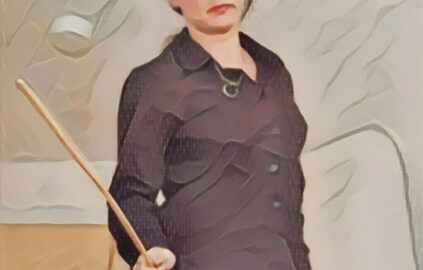
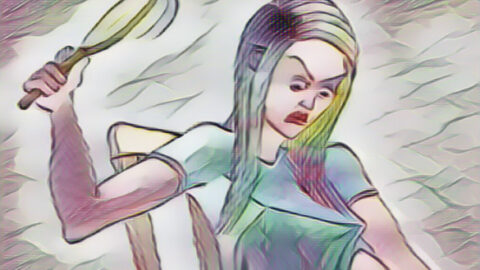
In the gentle hush of our Kentish village, where the days seemed to drift by like the morning mist over the tiled rooftops, discipline was a matter of course, as natural as the changing of the seasons. My mother, a woman of firm resolve and gentle heart, eventually decided that I had grown too old, too tall perhaps, for the sort of spankings that had once been meted out for childish mischief. Instead, when I strayed from the straight and narrow, she would hand down more mundane, yet in truth, far more effective punishments—being grounded, or the loss of precious pocket money, which stung in its own way.
Yet, the memory of those earlier days, when a sharp word or a stern look would be followed by the ritual of a spanking, lingered in my mind like the scent of coal smoke on a winter’s evening. As I stumbled awkwardly into the throes of adolescence, my thoughts often returned to those moments—my heart fluttering with a strange mixture of dread and longing. I would recall the peculiar sense of order restored, the tears that followed, and the quiet comfort of my mother’s arms afterwards, as if the world had been set right again.
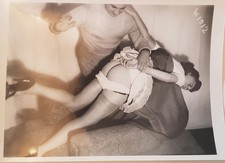
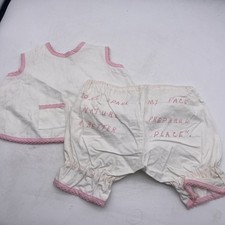
In the privacy of my imagination, these memories took on a curious life of their own. I would picture myself, not as the boy I was, but dressed in the most feminine, frilly garments—petticoats and dresses borrowed from the world of my older sister. I imagined the mortification of being made to don such attire, the fabric scratchy and unfamiliar against my skin, and then being summoned to my mother’s lap for a sound spanking. The humiliation, I fancied, would be a lesson in itself—a way to make me truly reflect on my misdeeds, to feel the weight of my actions in a manner both physical and moral.
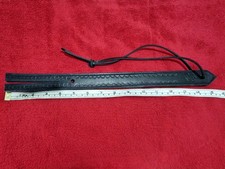
There was a peculiar thrill in these daydreams, a mingling of embarrassment and anticipation. I would imagine the stern set of my mother’s jaw, the gentle but unyielding grip of her hand as she guided me across her knees. The sting of the slipper or the hairbrush was sharp, but it was the sense of being corrected, of being loved enough to be set right, that lingered long after the tears had dried.
As time went on, my secret fancies grew bolder. My sister, two years my senior but of a similar build, became an unwitting accomplice in my private rituals. When the house was empty and the air hung heavy with the scent of lavender polish, I would tiptoe into her room, heart pounding with guilt and excitement. I dared not touch her clean clothes, for fear of leaving a telltale crease or smudge, so I rummaged through her laundry basket, selecting garments that still held the faintest trace of her scent—soap, summer grass, and something indefinably her.
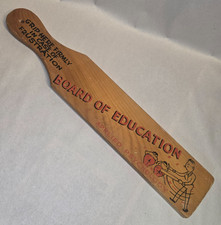
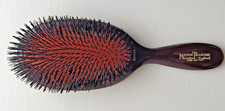
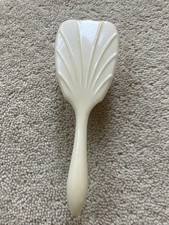
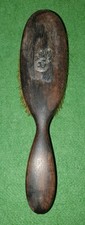
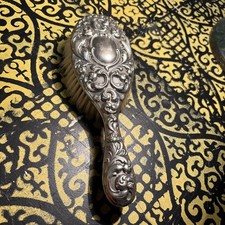
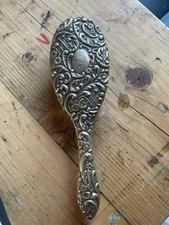
Clad in her cast-off dresses and underthings, I would stand before the full-length mirror, cheeks burning with shame and secret delight. I would whisper to my reflection that I was a naughty boy, deserving of punishment, and then, with trembling hands, I would seize her oval wooden hairbrush from the bedside table. Throwing myself face down on her bed, I would clutch her old blue teddy bear to my chest, bracing myself for the imagined chastisement to come.
The hairbrush would fall, sharp and unrelenting, upon my own backside, and I would spank myself until I was red and sore, all the while pretending it was my mother’s firm but loving hand delivering justice. Tears would prick my eyes, not only from the sting, but from the overwhelming sense of relief and release that followed. In those moments, I felt both chastened and cherished, as if the world, with all its confusions and temptations, had been set to rights once more.
Looking back, I see now that these rituals, strange as they may seem, were my way of seeking order and forgiveness in a world that was growing ever more complicated. The lessons of those days—of discipline, humility, and the quiet strength of a mother’s love—have stayed with me, shaping the person I have become. For in every sharp lesson, there was a gentler truth: that to be corrected is not to be unloved, but to be guided, with care, towards the better path.