I was born in the year 1960, into a household where duty and propriety were held in the highest regard. My mother, a woman of great social grace, dedicated herself to the art of hospitality and community, while my father, a distinguished officer in the military, instilled in us the values of discipline and honour. I was blessed with two elder brothers and a younger sister, and together we were sent to boarding school, as was customary among families of our standing. Prior to this, we attended a reputable private primary school, where the foundations of character and learning were laid.
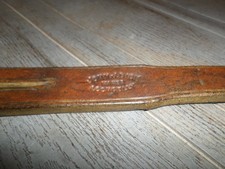
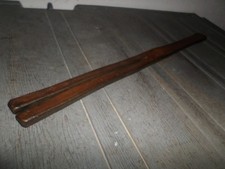
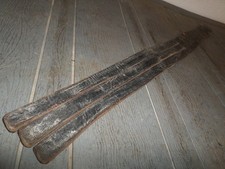
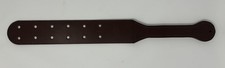
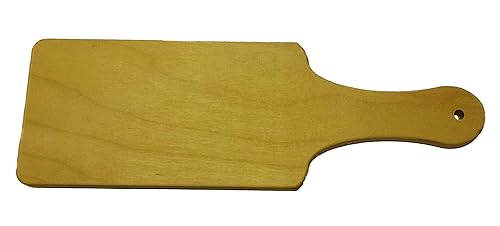
At our primary school, the maintenance of order and respect was considered paramount. On occasion, when a child transgressed, the teachers would administer a firm slap to the clothed bottom, a corrective measure delivered with a thick wooden ruler. In more serious instances, the ruler was applied to the bare calves, serving as a solemn reminder of the importance of obedience and self-control. These moments, though uncomfortable, were always followed by a gentle word, reinforcing the lesson that discipline is a necessary companion to growth.
Within our home, we were cared for by an au pair, a charming French young lady named Marie. Marie, ever attentive to our well-being, believed in the value of immediate correction. When I erred, she would place me over her knee, lower my garments, and deliver a firm smacking to my bare bottom with her hand. The sensation was sharp and memorable, and afterwards, I would be asked to stand upon a stool in the corner, reflecting quietly on my conduct. Such moments, though humbling, taught me the virtues of humility and self-improvement.
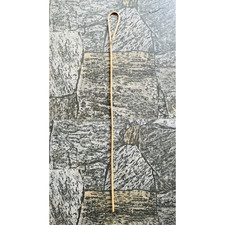
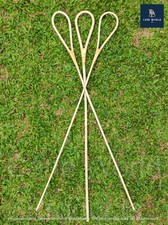
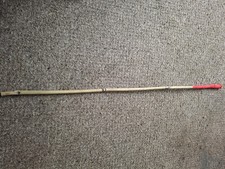
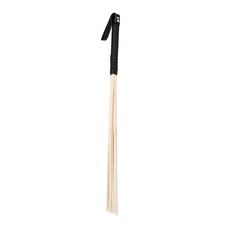
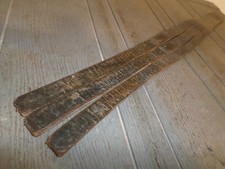
Our next au pair was Chloe, a Belgian cousin, who cared for us during school holidays. Chloe favoured the use of a slender cane, which she would apply to the hands of the girls and the bottoms of the boys. Her discipline was measured and never excessive, always accompanied by a calm explanation of the misdeed. My younger sister, who spent more time under Chloe’s care, recalls these lessons as formative, instilling in her a deep respect for rules and the consequences of one’s actions.
After Chloe, we welcomed another French au pair, Lea, recommended by Marie, with whom we remain in correspondence to this day. Lea, too, believed in the salutary effect of a well-administered smacking, always ensuring that the correction was swift, just, and followed by reassurance and affection. Through these experiences, we learned that discipline, when given with love, fosters both moral strength and familial closeness.
My first boarding school was not given to frequent corporal punishment. Instead, the institution favoured methods reminiscent of the era of Jane Eyre. For serious infractions, we were required to stand upon stools in the dining hall for extended periods, sometimes bearing a plaque around our necks that declared our misdeeds. The experience was deeply humbling, impressing upon us the gravity of our actions and the importance of personal responsibility.
When corporal punishment was deemed necessary, it was administered with restraint: one or two strokes of the cane upon the palm of the left hand, regardless of one’s dominant hand. As a left-handed child, I was told that the discomfort was a consequence of my own uniqueness, a lesson in accepting the outcomes of one’s choices. The pain was fleeting, but the lesson in self-discipline endured.
At my second boarding school, the headmistress, Miss Williams, was a woman of advanced years and unwavering standards. She seldom resorted to the cane, but when she did, her approach was thorough and fair. On one occasion, I received three strokes across my bottom for the indiscretion of kissing a boy in the library. The boy received five strokes, a reminder that actions bear consequences, and that fairness sometimes requires accepting what may seem an unequal share of discipline.
In reflection, my childhood may appear old-fashioned to some, yet it was shaped by the enduring values of respect, obedience, and self-restraint. My classmates and I all experienced the corrective hand or cane, and from these moments, we learned lessons that have guided us into adulthood.
Many of my former classmates have gone on to distinguished lives among the aristocracy, the upper echelons of society, and the military. My own husband was raised on a council estate, and though we have inherited some measure of generational wealth, we both continue to work, guided by the principles of diligence and integrity instilled in us from childhood.