(gap: 2s) In the gentle days of yesteryear, on the outskirts of Surrey, there stood a council estate where families did their best to keep up appearances. The rows of pebble-dashed flats, the neat—if sometimes patchy—grass verges, and the cheerful clatter of children’s games were the backdrop to a world where everyone strove to be respectable, no matter how modest their means. Mothers in tidy headscarves exchanged news by the bins, and fathers returned home with the evening’s milk float, all eager to do their part.
(short pause) My earliest recollections are of my grandparents’ snug sitting room, where the orange glow of the electric fire and the aroma of strong tea made even the greyest day seem warm. In those days, a new puppy was a rare delight, and when Grandad brought home little Pip, it was as though a ray of sunshine had entered our lives. Pip, with her wagging tail and bright eyes, became the pride of our family, a symbol that we, too, could have something special.
(pause) Pip and I became fast friends. After a busy afternoon of play, she would curl up at Gran’s feet, and I would wait, as patiently as any small boy could, for her to wake. The estate was always alive with the sounds of children’s laughter and mothers’ gentle scoldings, but in those quiet moments, it felt as though the world belonged only to Pip, Gran, and me.
(short pause) One afternoon, as Pip licked my face, Gran smiled and said, “You mind your manners, young man, or Pip will nip your nose and I’ll have to give you a little smack!” It was said with a twinkle in her eye, for in those days, a gentle smack was not a thing to fear, but a reminder to behave and to learn right from wrong. Gran’s hand was firm but kind, and I knew she loved me dearly.
(pause) I ran to Mother, laughing, to tell her what had happened. She shook her head, half-smiling, and said, “Well, perhaps you needed it, my dear.” On our estate, discipline was a sign of care, and every family had their own way of teaching children to be good and respectful.
(short pause) When I began at the infants’ school, I met Mrs White, a teacher who believed in order and fairness. Her classroom, with its peeling wallpaper and rows of wooden desks, was a place where every child knew what was expected. Mrs White wore sensible shoes and had a kindly, if serious, manner. She taught us that respect and obedience were the foundation of a happy life.
(pause) One day, we visited the local pond to learn about ducks and pondweed. When a boy misbehaved and frightened the ducks, Mrs White sat him on a bench and gave him a gentle, public smack. It was not cruel, but a lesson for all: we must be considerate and well-mannered, even when no one is watching. The boy was more embarrassed than hurt, and we all understood the importance of learning from our mistakes.
(short pause) As I grew older and moved to junior school, I met Mrs Norris, who lived just down the road. She was proud of her standards and always tried to set a good example. In her classroom, we learned that a playful smack for a mistake was not a punishment, but a way to remind us to do our best and to take pride in our work.
(pause) Each Friday, after our lessons, we would mark each other’s work. For every mistake, Mrs Norris would give a gentle tap—a tradition that brought us together and taught us to strive for improvement. No one was singled out, and we all learned that it was better to try and fail than never to try at all.
(short pause) One Friday, I tried to be above myself and claimed I had made no mistakes. Mrs Norris, with a smile, announced that I would receive two smacks for my errors, and a few more for my cheek! The class giggled, and I took my place, knowing that it was all in good fun. The smacks were light, and I returned to my seat with a grin, having learned that honesty and humility are always best.
(pause) As the years passed, I began to wonder about the difference between a playful smack and a real punishment. I wanted to understand what it meant to be truly disciplined, not out of fear, but out of a desire to be good and to make my family proud.
(short pause) I began to help Mother around the flat, tidying my room and doing my chores without being asked. She noticed, and one day, she asked me why I was being so helpful. I told her, honestly, that I wished to know what a proper spanking felt like, so that I might learn to be better.
(pause) Mother listened kindly and told me to think it over. That evening, as the estate grew quiet and the last milk float rattled by, I waited in my room, feeling both nervous and hopeful. When Mother entered, she sat beside me and explained that a spanking was not meant to hurt, but to teach. She reminded me that respect, obedience, and honesty were the most important things a child could learn.
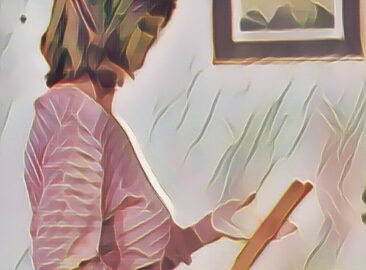
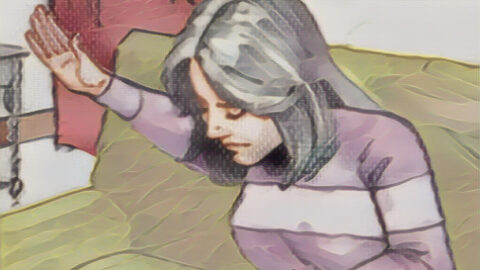
(short pause) With gentle hands, she drew me over her knee and gave me a few firm, loving smacks. The lesson was clear: we must all learn from our mistakes, and it is through kindness and understanding that we grow. I cried a little, not from pain, but from the knowledge that I was loved and cared for.
(pause) Afterwards, Mother hugged me close and told me she was proud. I promised to do my best, and I knew that, whatever happened, I would always strive to be a good and honest boy.
(short pause) And so, in that little council flat on the edge of Surrey, I learned the most important lesson of all: that respect, obedience, and love are the true treasures of childhood, and that every mistake is simply another chance to grow.