(gap: 2s) In the cheerful bustle of Chyngton Close, where the air was crisp and the hedgerows bristled with dandelions, young boys and girls learned their lessons not only in the classroom, but in the very heart of home. It was a time when mothers wore their best twinsets and pearls, and fathers, though often away at work, were spoken of with reverence. The world was orderly, and every child knew his place.
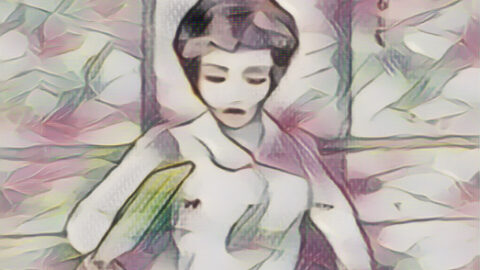
My own mother, Mrs. Pringle, was a lady of great dignity and modern sensibility. Her hair, always neatly set, framed a face both kind and stern. She believed, as did all right-minded folk, that children must be brought up with a firm hand and a loving heart. “Spare the rod and spoil the child,” she would say, her voice as crisp as the linen she pressed each morning.
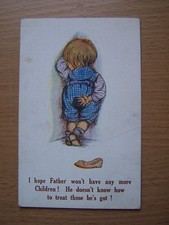
Our home was modest but filled with warmth—the scent of stewing apples and the gentle tick of the mantel clock. Yet, upon the sideboard, beside a postcard from Brighton, rested a slipper: not merely a household object, but a symbol of discipline. For in those days, a sound spanking was considered the surest remedy for naughtiness, and the slipper was ever at the ready.
I recall, with a shiver, the day I brought home a poor arithmetic mark. My heart thudded as I handed my report to Mother, her brow furrowing as she read. “This will not do, young man,” she declared, her tone brooking no argument. With a gentle but unyielding hand, she led me down the narrow corridor, the linoleum cool beneath my feet, and into the small bedroom where my teddy bear watched from the pillow.
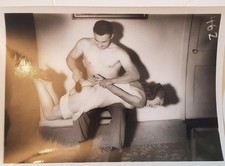
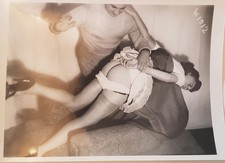
“Over you go,” she said, and I obeyed, lying face down upon the bed, bracing myself as I clutched the eiderdown. The slipper was light, but its sting was sharp. Each smack rang out, echoing through the house, and I bit my lip, determined not to cry. Yet, as the last stroke fell, a tear escaped, and I buried my face in the pillow, the rose-patterned wallpaper blurring before my eyes.
Afterwards, Mother sat beside me, her hand cool upon my shoulder. “You must learn, my dear, that hard work and honesty are the cornerstones of a good life. A little pain now will save you much sorrow later.” Her words, though stern, were laced with love, and I nodded, vowing to do better.
The next morning, I sat gingerly at the breakfast table, the memory of my spanking fresh as the butter on my toast. My sister watched from the stairs, her eyes wide with sympathy, while Father, reading his paper, gave me a knowing glance. There was no shame in discipline, only the promise of improvement.
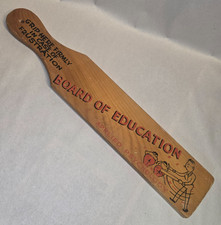
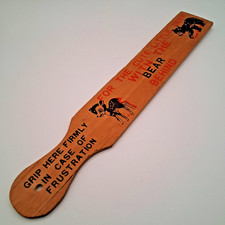
At school, too, the cane was a constant companion. The master’s rod, polished and slender, rested upon the desk, a silent reminder to all. Mistakes were met with swift correction—two strokes for a forgotten lesson, more for cheek or mischief. The anticipation was often worse than the pain, and the classroom would fall silent as a name was called.
Yet, we children understood that these punishments were not given in anger, but in the spirit of guidance. Each stinging blow was a lesson in itself, teaching us respect, diligence, and the value of striving for excellence. We learned our sums and our Shakespeare, but more importantly, we learned to stand tall, to accept our faults, and to try again.
As the years passed, Mother’s reputation grew. She became headmistress, her name spoken with admiration by all who knew her. She wrote books, won prizes, and was celebrated as a paragon of virtue and wisdom. Even now, as she sits by the fire in her old age, her eyes twinkle with the same resolve, and she reminds us, “No pain, no gain, my dears.”
Looking back, I am grateful for every lesson, every gentle scolding, and even every smarting spanking. For in those moments, I learned the true meaning of love and discipline—the very foundation upon which a good and honest life is built. And so, dear reader, remember: a firm hand and a kind heart will guide you true, through childhood and beyond.