Once, in the gentle embrace of a North Wales valley, where the morning mist curled around slate rooftops and the air was always tinged with the scent of rain and wild daffodils, there nestled a little village. The houses, huddled close as if for warmth, wore their years with pride—slate roofs glistening, chimneys puffing out ribbons of smoke, and windows glowing golden in the dusk. Children, bundled in woollen jumpers and short trousers, darted along the cobbled lanes, their laughter echoing off mossy stone walls. Mothers, in headscarves and sensible coats, gathered by the low stone wall, voices weaving together in a tapestry of gossip and gentle laughter. The world felt smaller then, as if the valley itself was a cradle, and every lesson learned was a treasure to be cherished for a lifetime.
(short pause) At the heart of this village stood the grammar school, a proud old building with tall windows and a bell that tolled like a call to adventure. Inside, the air was thick with chalk dust and the faint tang of ink. Our class was ruled by Mr. Hughes, a tall, sharp-eyed gentleman whose every step seemed to command the floorboards to attention. His tweed jacket always smelled faintly of pipe smoke and peppermint, and his voice—firm, yet never cruel—could hush even the most unruly of boys with a single word. Mr. Hughes believed in teaching us right from wrong, and his method was as old as the hills: the last boy standing.
(pause) If a boy misbehaved, he was told to stand by his desk, cheeks burning with embarrassment as the eyes of his friends flickered his way. The wooden floor would creak beneath his shifting feet, and the minutes would stretch out, slow and heavy, like the clouds that hung over the valley. If another lad made a mistake, the first could sit, but if not, he remained standing—sometimes until his legs ached and his heart thudded with worry. The classroom, with its rows of battered desks and the big clock ticking above the blackboard, became a stage for this quiet drama, and every boy knew the rules by heart.
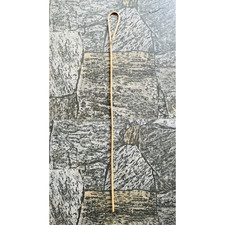
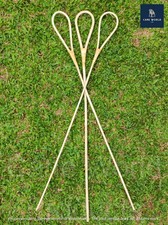
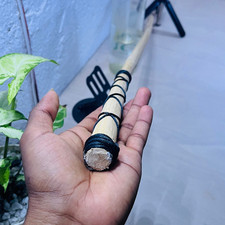
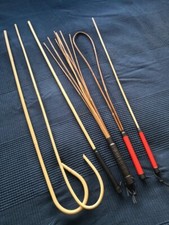
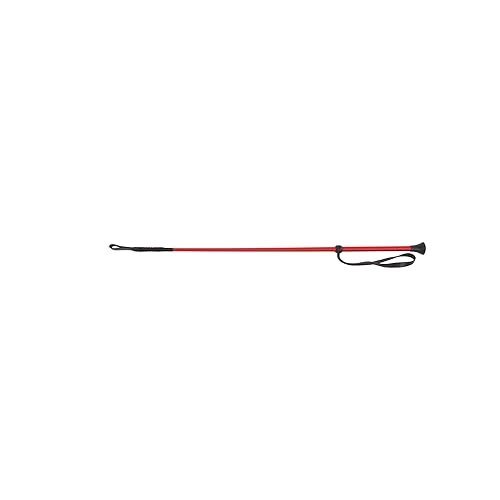
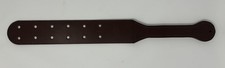
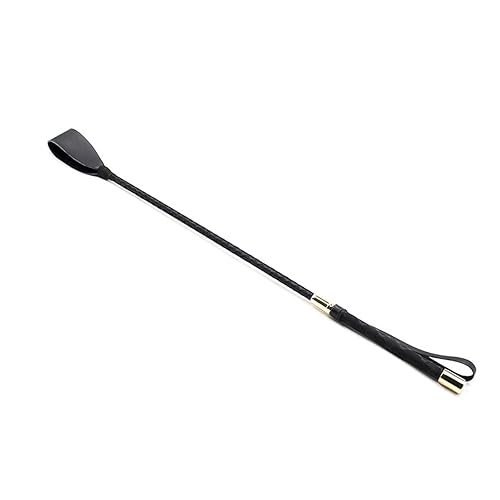
(pause) When the school day ended, and the last boy was left standing, a hush would fall over the room. The only sound was the steady tick-tock of the clock and the distant caw of a rook outside the window. Mr. Hughes would rise from his desk, his footsteps measured and grave, and open the cupboard with a slow, deliberate creak. From within, he would draw the cane—a slender rod of polished wood, gleaming in the afternoon light like a relic from another age. The cane was not a thing of anger, but of order, and every boy who saw it felt a shiver of respect and fear.
(short pause) “Bend over the desk, lad,” Mr. Hughes would say, his voice as cool and steady as the Welsh wind that swept down from the mountains. The boy would step forward, hands clammy, and grip the edge of the desk, knuckles white. The classroom seemed to shrink, the faces of his friends blurring at the edges, as he braced himself for what was to come. Then—swish!—the cane would whistle through the air, landing with a sharp, echoing crack across his backside. The sound was crisp and final, like the snap of a twig in the woods.
(pause) The sting was bright and hot, a line of fire that made the eyes water and the breath catch in the throat. Six strokes, each one a lesson written in red across the skin, until the boy’s legs trembled and his pride was sorely tested. The sound of the cane—crack, crack, crack—hung in the air, and the shame of being watched by the whole class was almost harder to bear than the pain itself. Yet, there was a strange comfort in the ritual, a sense that justice had been done and the world set right again.
(short pause) But the lesson did not end at the school gates. Mr. Hughes would hand the boy a folded slip of paper—a note for home, written in his careful, looping hand. With heavy steps, the boy would trudge back through the village, the cold wind nipping at his cheeks, the sound of his own footsteps echoing in the quiet lanes. The familiar sights—the corner shop with its Eisteddfod poster, the coal lorry rumbling past, the wild daffodils nodding in the breeze—seemed to watch him with silent sympathy, as if the whole valley knew what awaited him behind his own front door.
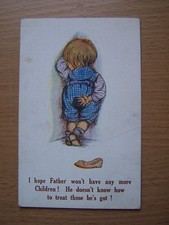
(pause) At home, the note was handed to Mother, her lips pressed into a thin, worried line. The parlour, with its faded floral curtains and humming electric fire, felt suddenly colder. “Fetch my slipper,” she would say, her voice trembling with disappointment and love. The walk to her bedroom was a solemn journey, the worn linoleum cool beneath bare feet, the air thick with the scent of lavender and coal dust. There, upon the rug, the slipper waited—a sturdy, well-worn thing, ready to teach another lesson.
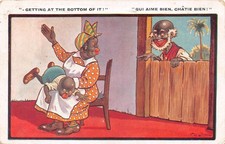
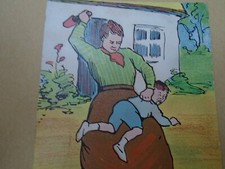
(short pause) Over Mother’s knee the boy would go, the familiar scent of her apron and the gentle strength of her arms a strange comfort. The first smack landed with a gentle thud, the second a little sharper, the third and fourth stinging so that the boy would kick his legs and bite his lip to keep from crying out. Mother’s slipper was swift but thorough, each smack a reminder to be good and true, to remember the lessons of the day and the love that lay behind the discipline.
(pause) Afterwards, the boy would be sent to his room, rubbing his sore backside, the lesson ringing in his ears. The wallpaper, with its faded patterns and peeling corners, seemed to close in, and the distant sound of a male voice choir on the radio was both a comfort and a reminder of home. He would lie on his bed, face buried in the pillow, and promise himself—quietly, fiercely—never to bring shame to his family again.
(short pause) I remember my first caning as if it were yesterday. I had laughed at a boy who was standing, thinking myself clever, and soon enough, I was the one left at the end of the day. The pain was sharp, but the embarrassment was sharper still, burning in my cheeks long after the cane’s sting had faded. That evening, Mother’s slipper added a final, fiery punctuation to the lesson, and I learned, in the quiet darkness of my room, to be kinder and more thoughtful.
(pause) The second time, I stood from half past ten until the bell, my legs aching and my heart full of dread. The cane’s sting was as fierce as ever, and Mother’s slipper that night reminded me that, in our house, discipline was a duty and a mark of love. The lessons were hard, but they were fair, and they shaped me as surely as the river shapes the stones in its bed.
(short pause) Looking back, the sounds—the swish of the cane, the slap of the slipper, the quiet sobs in the night—are as clear as the sights and smells of that Welsh village. The lesson was always the same: respect, humility, and the knowledge that every action has its consequence. And though the punishments stung, they shaped us, just as the gentle river shapes the valley through which it flows. In that little village, under the watchful eyes of mothers and teachers, we learned to be good, to be true, and to carry the lessons of childhood with us, wherever we might wander.