It’s funny, the ideas that take root in a child’s mind—strange, fleeting notions that seem to come from nowhere and yet feel so important in the moment. I remember it vividly: we were on holiday in Scarborough, that classic British seaside town with its briny air, the cries of gulls wheeling overhead, and the endless sweep of the promenade. I was only four, my world still small and full of wonder. The salty tang of the sea mixed with the sweet scent of candyfloss and the distant, cheerful music of the carousel. As we strolled along the promenade, the sun glinting off the wet stones, I suddenly decided to drag my left foot behind me with every step, as if it were too heavy to lift.
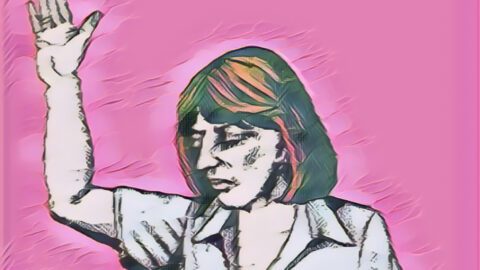
My parents, always attentive, noticed almost immediately. My mother’s brow furrowed with concern, her hand warm and firm as she guided me to a nearby bench—one of those cold, iron-framed seats that always seemed to face the wind. She knelt in front of me, her fingers gentle as she slipped off my shoe and checked for a stone or some hidden discomfort. The world seemed to pause around us: the distant laughter of children, the rhythmic crash of waves, the hum of conversation. She rotated my ankle, her touch careful, searching for any sign of pain. I didn’t flinch, didn’t cry out. “Are you all right?” she asked, her voice soft but edged with worry. I nodded, feeling a strange mix of guilt and satisfaction. “Then why are you limping?” she pressed. I only shrugged, unable—or unwilling—to explain. With a sigh, she gave my leg a light smack, more exasperation than anger, and told me to stop.
We set off again, the promenade stretching before us like a stage. But as soon as my mother’s attention drifted, I resumed my limp, dragging my foot with exaggerated care. I was acutely aware of the eyes of strangers—adults glancing at me with a cocktail of amusement, confusion, and pity. Their looks made me feel oddly important, as if I were the star of some silent drama. I liked the attention, the way it set me apart, even if I couldn’t have put that feeling into words at the time. The world felt bigger, more mysterious, when people noticed me.
We set off again, and soon afterwards we passed two matronly women who were holding ice creams and generally taking in the world. One of them said to the other in a loud voice: “Look at that poor little cripple boy there.”
My mother heard that all right, and she became incensed by the remark. We happened to be passing a public toilet at the time, and without hesitation or another word, mother marched me by the hand into the ladies and drew me into an empty cubicle, locking the door behind her.
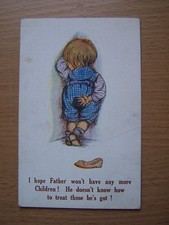
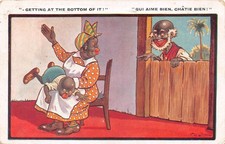
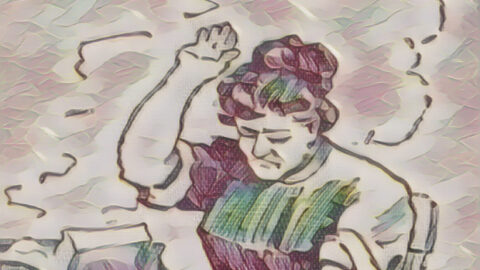
“I’ve had enough of your nonsense today!” she hissed. Sitting down on the toilet seat she swiftly administered around half a dozen sharp smacks to my bottom. I yelled at the first and was howling by the second. It had been some time since I had been smacked and I had forgotten how much that particular punishment hurt.
As we came out of the cubicle, the door to another one a few down opened and a lady came out to join us in washing our hands. She had evidently heard me being spanked because she smiled and turned to my mother, asking: “Been a naughty boy, has he?” My mother was still grim-faced as she replied to the effect that she didn’t think she’d be having any more trouble that day.
We came out of the toilets – and my mysterious limp had disappeared.