(gap: 2s) On the poorer side of Surrey in the 1970s, our council estate was a world unto itself—a patchwork of pebble-dashed flats, patchy grass verges, and the constant, low hum of everyday struggle. The estate was a place where the air always seemed tinged with drizzle, and the sky pressed down, heavy and unyielding, on the rows of identical buildings. Children in flared jeans and hand-me-down jumpers darted between puddles, their laughter echoing off concrete walls, while mothers gathered by the communal bins, voices rising and falling in a chorus of gossip and worry. The pressure to keep up with the neighbours was as constant as the grey sky, a silent competition played out in the neatness of curtains, the shine of shoes, the freshness of the milk bottles on the doorstep.
But inside our flat, the world shrank to a different kind of tension. The living room was small and always warm, the air thick with the scent of stewing tea, old polish, and the faint tang of the electric fire. Orange and brown floral curtains filtered the weak sunlight, casting everything in a perpetual autumnal glow. Crocheted blankets draped over the sagging sofa, and a T. Rex record sleeve sat proudly on the coffee table, a splash of colour in a world of browns and greys. The telly flickered in the corner, its black-and-white images ghostly and unreliable, the aerial forever needing adjustment. In this cramped space, the rituals of family life played out—meals of beans on toast, the clatter of cutlery, the low murmur of the Evening News, and, always, the unpredictable moods of Mum.
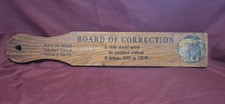
Mum was the centre of our world, a force of nature in a nylon housecoat and chunky plastic jewellery. Her energy was wild and restless, her moods shifting like the weather outside. She could be warm and funny, her laughter filling the flat, or she could go silent, her eyes distant, lost in thoughts she never shared. She moved through the rooms with purpose, pouring strong tea from a chipped teapot, straightening cushions, tapping the sideboard with her wedding ring. Her hands were always busy—wringing a tea towel, folding laundry, or, when the storm clouds gathered, clutching the wooden spoon that seemed to live on the sideboard, a silent threat and a promise.
When we got in trouble, the air would thicken, as if the flat itself was holding its breath. Mum’s voice would sharpen, her questions coming fast and clipped, her eyes darting from one child to the next, searching for the truth. The walls seemed to close in, the patterned wallpaper peeling at the corners, the faded print of the Thames watching over us like a silent judge. The anticipation was the worst part. She’d send us to our room, or sometimes to hers, and the waiting would begin—a long, slow torture, each second stretching out, heavy with dread.
The hallway was narrow and dim, the lino worn thin by years of hurried footsteps. From behind closed doors, we could hear the faint sounds of life carrying on—the neighbour’s radio playing a glam rock tune, the distant clatter of the milk float, the hum of the electric fire in the lounge. We’d sit on the edge of the bed, legs dangling, hearts pounding so loud it felt like the whole estate could hear. The air was thick with the scent of old tea and dust, the silence broken only by the ticking of the clock and the occasional creak of the floorboards. Sometimes we’d hear her footsteps, slow and deliberate, the slap of her house shoes on the lino. Other times, she’d appear suddenly, her face set, her movements brisk and businesslike, as if she was steeling herself for a task she neither wanted nor could avoid.
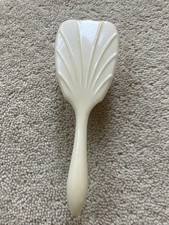
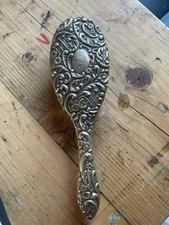
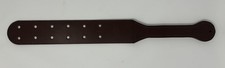
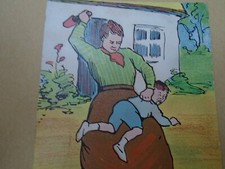
The ritual itself was as old as memory. She might come in empty-handed, or with a slipper, or the wooden spoon—whatever was handy, whatever matched her mood. She’d sit on the bed, her nylon housecoat rustling, and reach for us with a grip that was firm, unyielding, but never cruel. There was a strange intimacy to it: over her lap, face down, the rough fabric of her apron scratchy against our skin. Her palm would rest on our bottoms for a long, silent moment, the air thick with dread and the unspoken knowledge of what was to come. We’d squeeze our eyes shut, bracing for the first smack, the world shrinking to the space between her hand and our skin.
The sound was sharp and unmistakable—a flat, echoing crack that seemed to fill the room and linger in the air. The sting would bloom instantly, hot and bright, radiating through the thin cotton of our pyjamas. She spaced the smacks out, each one landing with a measured, deliberate rhythm—ten seconds apart, enough time for the pain to settle before the next. The silence between each smack was almost worse than the smack itself, broken only by the ticking of the clock, the distant drone of a television, or the muffled sobs we tried to swallow. Sometimes her hand would tremble, just a little, before the next smack, and in that moment, I wondered if it hurt her as much as it hurt us.
Mum never scolded us while she did it. Her face would go blank, her eyes fixed somewhere far away, as if she was scrubbing a stubborn stain or hanging out the washing. The ritual was as much about her as it was about us—a way to keep order, to hold herself together, to remind us (and maybe herself) that things could always be worse. We never struggled. There was no point. The rules were clear, the boundaries set, and the consequences inevitable. In those moments, the flat felt both impossibly small and endlessly vast, the weight of generations pressing down on us, the echoes of our grandmother’s stern voice still lingering in the corners.
Afterward, the room would feel different—charged, heavy, the air thick with the smell of tears and old dust. We’d lie face down on the bed, cheeks burning, the imprint of her hand lingering long after the last smack. Sometimes we’d cry into the pillow, muffling the sound so the neighbours wouldn’t hear. Other times, we’d just lie there, numb, listening to the faint sounds of life carrying on outside—the milk float, the radio, the distant laughter of children who’d managed to stay out of trouble. The world outside seemed impossibly far away, a place where the sun still shone and the grass was always green.
The aftermath was always quiet. Mum would leave the room, her footsteps fading down the hallway, the wooden spoon left behind on the sideboard or the bed. We’d rub our sore backsides, shifting uncomfortably, the sting a reminder that we’d crossed some invisible line. But there was also a strange sense of relief—the waiting was over, the storm had passed, and for a little while, at least, the world felt safe again. The flat would settle back into its familiar rhythms—the clink of teacups, the low hum of the telly, the soft murmur of Mum’s voice as she chatted with a neighbour or sang along to the radio.
Looking back, I realise how much the ritual shaped us. The anticipation, the powerlessness, the strange intimacy of it all. It was part of life on the estate, woven into the fabric of our days. Mum’s moods, her wild energy, the way she’d sometimes collapse into silence—it all made sense in the end. I don’t resent the smacked bottoms. They were just another part of growing up in that cramped, humming flat, with a mother who was always trying to hold herself—and us—together, even as her mind sometimes slipped away. The estate, with its drab facades and hidden dramas, was both a prison and a sanctuary, a place where love and discipline were tangled together, impossible to separate, and always, always present.