(gap: 2s) Once upon a time, nestled in a cheerful row of red-brick houses with white-rendered faces and neat, clipped lawns, there lived a little boy named Aahan. His family had journeyed across continents from distant, sun-drenched India, bringing with them the scents of cardamom and cumin, the warmth of old stories, and the hope of new beginnings. Now, they made their home in a bustling English town, where the air was crisp and tinged with the promise of rain, and the gardens were always tidy, each blade of grass standing to attention as if for morning inspection.
(short pause) Aahan’s name meant “dawn,” and it suited him perfectly. He was always the first to greet the morning sun, his heart fluttering with anticipation for the day ahead. While the rest of the house slumbered beneath heavy eiderdowns, Aahan would slip from his bed, the cool floorboards tickling his bare feet. He’d tiptoe down the hallway, careful not to wake his baby sister, his polished shoes—set out the night before—clicking softly on the tiles. The house was hushed, save for the distant hum of a milk float and the gentle coo of wood pigeons outside. Each morning felt like a secret adventure, the world his to discover before anyone else stirred.
(pause) On school days, Aahan’s early rising was a blessing. He would dress himself with care, smoothing his grey shorts and buttoning his cardigan, his hair neatly parted and combed. The scent of toast and marmalade would drift from the kitchen, mingling with the faint aroma of his mother’s rosewater perfume. With a spring in his step, he’d set off down the garden path, the dew sparkling on the grass, ready to learn and play with his friends beneath the watchful eyes of the teachers. The clang of the school bell, the laughter echoing across the playground, the chalk dust swirling in sunbeams—all these were the music of his childhood.
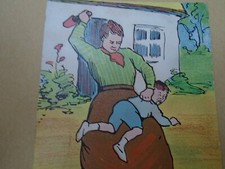
(short pause) But on Sundays and holidays, when the world outside was still and quiet, Aahan’s cheerful energy sometimes bubbled over. The house, wrapped in the gentle hush of Sabbath, seemed to hold its breath. His nanny, a sturdy woman with kind but firm hands, would catch him if he made too much noise before breakfast. “Aahan!” she would call, her voice gentle but edged with authority, “Little boys must let their elders rest.” If he forgot, she would take him gently by the arm and deliver a few sharp smacks to the backs of his legs—just enough to remind him to be thoughtful. The sound would echo in the hallway, mingling with the scent of beeswax polish and the distant chime of church bells. Aahan would feel a warm sting, his eyes prickling with tears, but deep down he knew it was only because she cared for him, and wanted him to grow up well.
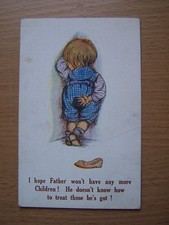
(pause) Sometimes, if Aahan was especially naughty—perhaps dashing through the house with muddy shoes or waking his baby sister with a burst of laughter—his nanny would send him to stand in the corner. There, facing the wallpaper patterned with bold 1960s shapes, he would reflect on his actions. The minutes would stretch, his cheeks flushed with shame, his mind swirling with regret and silent promises to do better next time. He would listen to the muffled sounds of the household—his mother’s voice, the clink of teacups, the distant strains of a Beatles song—and wish for forgiveness.
(short pause) But if the mischief was more serious, Aahan would be brought before his mother. She was a wise and loving woman, always dressed smartly for church, her eyes bright with hope for her children’s future. Her sari or skirt was always immaculate, her pearls gleaming softly in the morning light. She wanted Aahan to grow up to be a good, respectful boy, and so she watched over him carefully, her love as steady as the ticking of the grandfather clock in the hallway.
(pause) On Sundays, Aahan’s mother would dress him in his best clothes, polish his shoes until they shone like new pennies, and take him by the hand to church. The walk was a ritual: the scent of daffodils and damp earth, the gentle clatter of milk bottles along the kerb, the distant rumble of the Unigate milk float. Inside the church, sunlight streamed through stained glass, painting the pews with jewel-bright colours. Aahan would sit quietly beside his mother, his small hand tucked in hers, listening to the hymns and stories, learning about kindness, honesty, and the importance of doing what is right. The words of the vicar would float above him, solemn and gentle, and Aahan would feel the weight of their meaning settle in his heart.
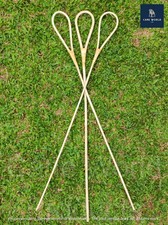
(short pause) Sometimes, when Aahan forgot to listen or was tempted into mischief—perhaps whispering to a friend or fidgeting during prayers—his mother would fetch her slender cane, a tool she used only when truly necessary. She would look at him with a mixture of sadness and resolve, her voice soft but unwavering. “Aahan, you must learn to be good,” she would say. He would nod, his heart thumping, and bend over the bed or a low stool, the cool linen pressing against his cheek. With a steady hand, she would give him a few firm strokes across the backs of his legs. The cane would sting, a sharp reminder that actions have consequences, and Aahan would bite his lip, blinking back tears. Yet, even in that moment, he knew his mother’s heart was full of love, and that each lesson was meant to help him grow into a fine young man.
(pause) Afterward, his mother would kneel beside him, her hand gentle on his shoulder, checking to see that he was all right. She would speak softly, her words weaving comfort and wisdom together. “We discipline because we love, Aahan. We want you to be strong and good, to make wise choices.” Then she would send him to his room to think about what he had learned. The ache would fade, but the lesson would remain: to be obedient, to respect his elders, and to remember that every action, no matter how small, has its consequence.
(short pause) Aahan’s early rising often led to these gentle reminders. He would wake with excitement, eager to greet the day, but sometimes his enthusiasm would bubble over, and he would forget to be quiet. Yet, even after a spanking, he would soon be smiling again, his spirit undimmed, ready to try his best to be good. He would watch the sunlight dance on the wallpaper, listen to the distant laughter of children outside, and promise himself to do better.
(pause) When Aahan went to school in England, he found that teachers there did not use the cane. The classrooms were filled with the scent of chalk and ink, the windows rattling in the wind, the teachers’ voices rising and falling like the tide. But at his boarding school in Mumbai, the rules were different. There, if a boy misbehaved, he might be called to the front of the class and given a quick smack on the hand or the back of the legs with a ruler or a switch. The sting was sharp, but the lesson was clear: to be honest, hardworking, and respectful. The boys would line up in their crisp uniforms, the air thick with anticipation, and Aahan would remember his mother’s words, echoing in his mind like a gentle bell.
(short pause) Once, when Aahan was fifteen, he made a poor choice and cheated on an exam. The guilt gnawed at him, a heavy stone in his chest. When the headmaster called him forward, the whole school watched in silence. The caning was swift and painful, the sound echoing in the great hall, and Aahan’s eyes filled with tears. But as he stood there, his hands trembling, he understood that honesty was always the best path, and he promised himself never to make the same mistake again. The lesson was etched into his memory, a scar that would remind him to choose truth, even when it was hard.
(pause) Even so, Aahan sometimes found it hard to resist mischief. There was a certain thrill in testing the rules, in seeing how far he could go before being caught. But he always remembered the lessons his mother and nanny had taught him. After a particularly stern spanking, his nanny decided that he was old enough to learn from silence and reflection. She would send him to his room, the door closing softly behind him, and there he would sit, the afternoon sun slanting through the curtains, thinking about his actions. The quiet was heavy, filled with the ticking of the clock and the distant sounds of life carrying on without him. In those moments, Aahan learned the value of patience, of listening, of growing up.
(short pause) As the years passed, Aahan grew into a thoughtful and kind young man. He remembered the gentle discipline of his childhood not with bitterness, but with gratitude. The sting of the cane, the quiet of the corner, the warmth of his mother’s embrace afterward—all these had shaped him, teaching him the value of obedience, respect, and listening to those who cared for him most. He learned that love sometimes wore a stern face, but it was always love, guiding him toward the person he was meant to become.
(pause) And so, in the quiet evenings, as the sun set over the tidy houses and the streetlights flickered on, Aahan would look back on his childhood with a warm heart. The memories glowed like embers: the scent of rain on the pavement, the laughter of friends, the gentle hand of his mother smoothing his hair. He was thankful for the loving guidance that had helped him grow, for the lessons learned in sunlight and shadow, and for the dawn that always followed, bright and full of promise.