Oakfield Estate in the early 1970s was a world unto itself—a patchwork of pebble-dashed terraces, their windows often cracked and curtains faded by years of coal smoke and weak sunlight. The air was thick with the mingled scents of damp earth, toasting bread, and the ever-present tang of coal fires. Children, clad in hand-me-down jumpers and patched trousers, filled the green at the heart of the estate, their laughter echoing as they chased a battered football or swung from the creaking metal frame of the estate’s only swing. Mothers, wrapped in headscarves and old coats, gathered by the battered lamppost or the corner shop, their voices weaving a tapestry of gossip, advice, and gentle admonishments. Life here was modest, but it was rich in its own way—every cracked paving stone and wild dandelion a testament to the resilience of those who called Oakfield home.
(short pause) My mother, Mrs. Brown, was the quiet anchor of our household. She moved through our cramped sitting room with a purposeful grace, her faded cardigan and chipped brooch as much a part of her as the gentle clink of the chipped teapot she used each afternoon. The house was small, its walls lined with peeling wallpaper and the faint scent of coal dust, but she kept it warm and welcoming. She was practical, her hands always busy—mending a torn sleeve, folding patched blankets, or offering a comforting word when the world felt too large. Her love was steady, expressed in small acts: a cup of tea, a slice of toast, a gentle hand on my shoulder.
(pause) Among the many memories that shaped my childhood, one stands out with particular clarity—the last time I was disciplined at home. It was a moment that marked the end of one chapter and the uncertain beginning of another. Three days before I was to leave for college, the house seemed to hold its breath, as if aware that change was coming. My suitcase sat half-packed in the corner of my small bedroom, beside the threadbare teddy that had watched over me for years. Though I was preparing to step into adulthood, the ties to home—its routines, its expectations, its quiet comforts—remained strong and unbroken.
(short pause) Two weeks before my departure, my mother had asked me to sort through my old clothes, a task meant to bring order to the house before I left. She reminded me gently at first, her voice soft as she poured tea or folded laundry. As the days passed and the pile of clothes remained untouched, her reminders grew firmer, her tone edged with the quiet authority I had known since childhood. Yet, I delayed, distracted by the pull of friends, the promise of summer, and the bittersweet anticipation of leaving home.
(pause) On the third day before my departure, my mother’s request was clear: finish sorting the clothes before she returned from work. I promised I would, but as soon as she left, a friend arrived at the door, inviting me to the local pool. The temptation was too great. I left the house, the task forgotten, and spent the afternoon in the cool water, laughter and sunlight washing away any sense of responsibility.
(pause) When I returned home, cheeks flushed and hair damp from swimming, the house felt different—quieter, heavier. My mother was waiting in the sitting room, her hands folded in her lap, the coal fire burning low. The usual hum of the house was absent; even my younger siblings seemed to sense the tension, their voices hushed as they watched from the stairs.
(short pause) She asked if I had finished my task. My answer was a mumbled admission, tinged with impatience and embarrassment. I retreated to my room, the weight of her disappointment following me up the narrow stairs.
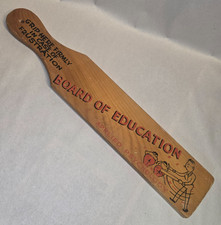
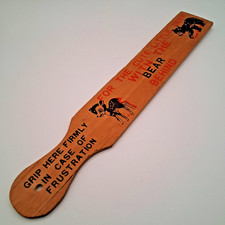
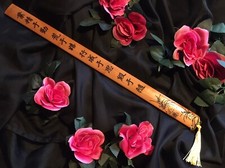
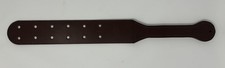
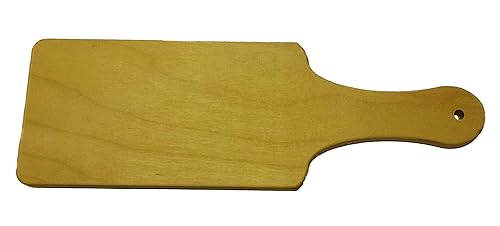
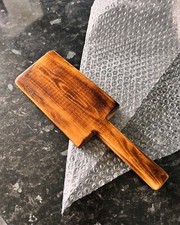
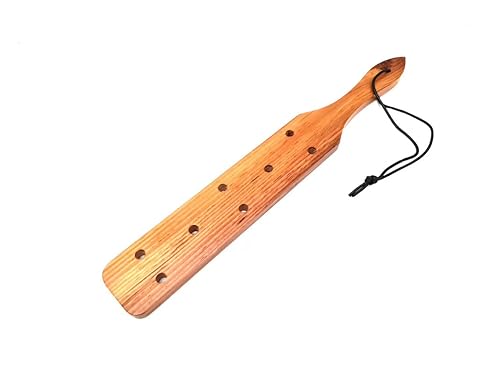
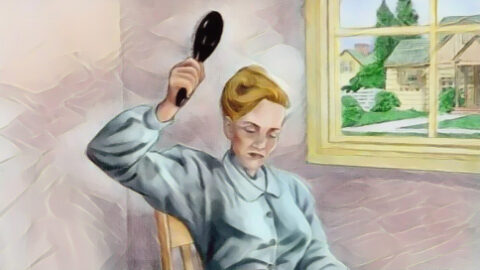
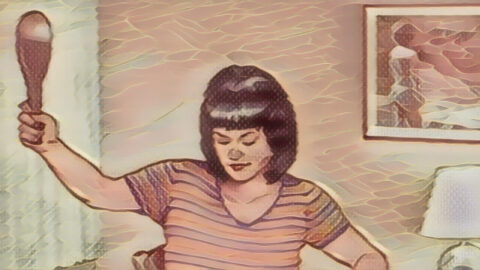
(pause) As I changed out of my swimming costume, I heard her footsteps on the landing—measured, deliberate. She entered my room holding the family paddle, a relic from my younger years, rarely used but never forgotten. Her face was not angry, but deeply disappointed, her eyes reflecting a sadness that stung more than any harsh word.
(short pause) She spoke quietly, her voice steady. She reminded me that, though I was nearly grown, my actions had been thoughtless and immature. She explained that responsibility was not something one could set aside for convenience, and that sometimes, lessons needed to be learned in ways that left a lasting impression. There was no anger in her words—only a firm resolve and a hope that I would understand.
(pause) I braced myself for the punishment, the familiar ritual suddenly feeling foreign and final. The discipline was not severe, but it was thorough, each moment underscoring the seriousness of my lapse. Yet, it was her disappointment—her quiet, unwavering expectation that I do better—that lingered long after. The lesson was not in the pain, but in the knowledge that I had let her down, and that growing up meant accepting the consequences of my choices.
(short pause) For the first time in years, I wept openly, the tears a mixture of shame, regret, and the dawning realization that childhood was ending. My mother sat beside me on the narrow bed, her hand resting gently on my back. She spoke softly, reminding me that growing up was never easy, and that it was normal to stumble. What mattered, she said, was the willingness to make things right, to choose what was right even when it was difficult.
(pause) The next morning, I rose early and completed my chores without being asked. The house felt lighter, the tension eased. As I packed my suitcase, folding each item with care, my mother entered the room. She smiled—a small, proud smile—and handed me a slice of toast, still warm. She told me she was proud of the person I was becoming, and urged me to carry with me a good heart and a sense of responsibility, wherever I went.
(long pause) When I finally left Oakfield Estate, the streets and houses seemed both familiar and changed. I carried with me not just the lessons of discipline, but the deeper understanding that love is sometimes expressed through firmness, and that true maturity lies in making responsible choices, even when easier paths beckon. The memory of that day, and of my mother’s quiet strength, has remained with me—a guiding light as I navigated the uncertain road ahead.