(gap: 1s) In the respectable, if modest, confines of our Surrey home, discipline was regarded as a matter of utmost seriousness. Our family, though not wealthy, prided itself on a certain orderliness and propriety. Father, a clerk at the local council office, was a man of few words and many routines, while Mother, ever vigilant, ruled the household with a gentle but unyielding hand. My younger sister, Margaret, was the apple of everyone’s eye, and even our tabby cat, Wellington, seemed to sense the importance of good behaviour.
(short pause) By the time I had reached the advanced age of thirteen, the customary chastisements from my mother had, for the most part, ceased. I fancied myself rather grown-up, and yet, in the quiet moments between the clatter of breakfast dishes and the distant drone of the wireless, I found myself curiously drawn to tales of punishment. There was a certain gravity to them, a sense that the world was kept in order by the firm but loving hand of authority. On our estate, every family, in their own estimation, stood a little higher than their neighbours, and the stories of discipline—whispered over garden fences or exchanged in the queue at the grocer’s—were badges of honour, proof that one’s household was not given to unruliness.
(pause) I remember, with a peculiar mixture of embarrassment and nostalgia, the day I resolved to take matters into my own hands. It was a Sunday afternoon, the air thick with the scent of roast beef and the distant peal of church bells. The house was unusually quiet; Father had taken Margaret to visit Aunt Edith, and Mother was in the garden, pruning the roses with her usual determination. I sat in the lounge, staring at the faded floral curtains and the Cliff Richard record sleeve on the sideboard, feeling a strange restlessness. My mind wandered to the stories I’d overheard—of boys who had been soundly thrashed for their misdeeds, and the pride with which their mothers recounted the tale.
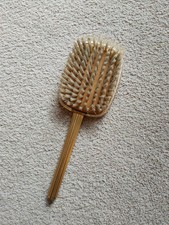
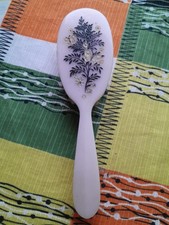
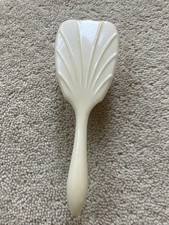
(pause) Eventually, I resolved to take matters into my own hands. With a sense of solemn duty, I would seize whatever implement lay nearest—a hairbrush, or one of Mother’s well-worn slippers—and administer to myself a sound thrashing. The sharp sting would radiate across my skin, hot and insistent, and the dull ache that followed was, in its peculiar way, reassuring, as though I were upholding the standards of our household by my own hand. I would stand before the mirror, cheeks flushed, and imagine myself the very picture of contrition.
(pause) One afternoon, convinced that the coast was clear, I crept into the small box room and retrieved Mother’s slipper, determined to deliver a proper punishment. The air was thick and still, broken only by the faint strains of a neighbour’s wireless. My heart thudded in my chest as I braced myself, raised the slipper, and brought it down with a resounding crack. The sound reverberated in the confined space, and a fierce pain blossomed across my person, causing me to gasp and clench my fists in stoic resolve. For a moment, I felt a strange sense of accomplishment, as though I had proven myself worthy of the family name.
(pause) But as I glanced over my shoulder, my heart leapt in alarm—for there stood Mother, framed in the doorway, arms folded, her gaze fixed upon me with that singular look which could quell the most rebellious spirit. Her eyes, usually so warm, were now sharp with disappointment and concern. Mortified, I dropped the slipper and made to escape, but she caught me with the unerring grip of maternal authority.
(short pause) “Peter Edward,” she said, her voice low and steady, “what on earth do you think you are doing?” I stammered, unable to meet her gaze, my cheeks burning with shame. “I—I thought I ought to be punished, Mother. For—well, for not being as good as I should.” She sighed, her expression softening, and led me to the bed, seating herself upon the edge and bidding me stand before her.
(pause) “It is not your place to administer punishment to yourself, my dear boy—that is a mother’s duty. If you believe you are deserving of chastisement, bring me the slipper at bedtime, and you shall retire with a sore bottom, as in days past.” Her words, though firm, were not unkind. There was a tenderness in her tone, a reminder that discipline, in our house, was never given in anger.
(pause) That evening, I obeyed her instructions. The room was dim, the air tinged with the scent of lavender polish and well-worn blankets. I stood before her, trembling slightly, the slipper clutched in my hand. “Are you certain, Peter?” she asked, her eyes searching mine. “Yes, Mother,” I replied, my voice barely above a whisper. “I think I ought to learn my lesson properly.” She nodded, taking the slipper from me, and I bent dutifully over the bed, clutching the patchwork quilt.
(pause) The first stroke landed with a sharp, echoing crack, the pain immediate and searing. Each subsequent blow was delivered with deliberate care, the sound ringing out, mingling with my muffled cries and the rustle of the bedsheets. My eyes stung with tears, and my posterior burned with a hot, throbbing ache that seemed to fill the entire world. Yet, beneath the pain, there was a curious sense of relief—a feeling that all was as it should be, that order had been restored.
(short pause) When the ordeal was concluded, Mother drew me into her arms, her embrace warm and steady. “There now, Peter—if you are naughty, you shall receive what is due, but there will be no more of this self-inflicted punishment, do you understand?” Her words were firm, yet her hand was gentle as she smoothed my hair. I clung to her, sobbing quietly, the shame and pain mingling with a deep, abiding love.
(pause) “You must remember, my dear,” she continued, “discipline is not meant to humiliate, but to guide. We all make mistakes, but it is how we learn from them that matters.” I nodded, sniffling, and promised to conduct myself with greater propriety. That night, as I lay in bed, every movement a reminder of the lesson imparted, I felt a strange sense of peace. The moral was as clear as the sting: discipline, when administered with love, is intended to guide, not to humiliate.
(pause) Only once more did Mother discover me in the act. It was a dreary Tuesday, the rain lashing against the windowpanes, and I had been brooding over a quarrel with Margaret. In a fit of remorse, I had taken up the ruler and was about to deliver a self-imposed punishment when Mother entered, her face grave. “Peter, what did I tell you?” she said, her voice trembling with a mixture of anger and concern.
(pause) This time, she removed her belt and bent me over the bed for a truly severe thrashing—long and unrelenting, the leather snapping and the pain sharp and enduring, to ensure the lesson was indelibly impressed upon me. The sound of the belt, the heat of the stripes, and the tears that followed—all served to engrave the lesson deep within me: that a mother’s discipline, though stern, was always rooted in care, and that true contrition was met with forgiveness and a gentle hand.
(pause) Afterwards, as I lay sobbing into my pillow, Mother sat beside me, her hand resting lightly on my back. “You are a good boy, Peter, but you must trust me to know what is best. There is no shame in making mistakes, only in refusing to learn from them.” Her words, spoken softly in the dim light, lingered with me long after the pain had faded.
(pause) In the years that followed, I found myself recalling those lessons often. The memory of Mother’s firm but loving discipline became a touchstone, a reminder that true strength lies not in avoiding punishment, but in accepting it with humility and striving to do better. And so, in the modest confines of our Surrey home, I learned that discipline, when tempered with love, is the surest guide to a life well-lived.