(gap: 2s) Once upon a time, in a bustling city estate, there lived a little boy named Peter. Peter’s home was a small, tidy flat, filled with the gentle hum of the electric fire and the comforting scent of strong tea. His mother, Mrs. Brown, was a kind but firm lady, always busy with her chores and always ready with a warm smile or a gentle word. She wore her housecoat with pride and kept her hair in neat curlers, and everyone in the estate knew her for her good sense and loving heart.
(short pause) One quiet Sunday afternoon, when the sky was grey and the air was cool, Peter found himself feeling rather curious. He tiptoed into his parents’ bedroom, where the air smelled faintly of lavender and old wool. There, tucked away in a drawer, he discovered a small box of matches. Peter knew he ought not to touch them, but the temptation was too great. With a trembling hand, he struck a match and watched the tiny flame flicker and dance. For a moment, he felt like a magician, conjuring fire from nothing at all.
(pause) But, as is often the way with mischief, Peter’s adventure did not last long. Suddenly, the door opened, and there stood Mrs. Brown, her eyes wide with surprise and worry. The sharp smell of burnt matches filled the room, and Peter’s heart sank. He tried to explain, but the evidence was plain to see—blackened matchsticks and a guilty look on his face.
(pause) Mrs. Brown did not shout. Instead, she took Peter gently but firmly by the hand and led him down the narrow hallway, past the peeling wallpaper and muddy shoes, and into the cosy lounge. The room was warm and bright, with crocheted blankets on the chairs and sunlight peeking through the curtains. Peter’s heart beat fast, for he knew he had done wrong.
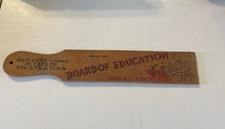
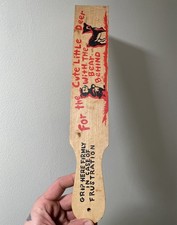
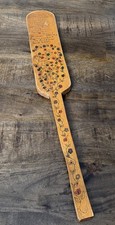
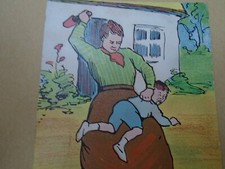
(short pause) Mrs. Brown sat down on the old sofa and, with a steady hand, placed Peter across her knee. The roughness of her housecoat brushed against his cheek as he looked down at the faded carpet. Then, with a firm but loving hand, Mrs. Brown gave Peter a spanking. Each smack was sharp and stung, but it was not cruel. It was a lesson—a reminder that playing with matches was dangerous and could have led to great harm. Peter’s legs kicked and he cried out, but Mrs. Brown held him safely, making sure he understood the seriousness of his actions. The room was filled with the sound of his sobs and the gentle clink of her teacup on the sideboard.
(pause) When it was over, Mrs. Brown lifted Peter up and looked at him with kind, worried eyes. She hugged him close, and Peter felt the warmth of her love, even though his bottom still smarted. He knew she had punished him not out of anger, but out of care and concern for his safety. The sunlight danced on the carpet, and the world outside seemed to carry on as usual, but inside, Peter felt changed.
(short pause) Peter ran out into the fresh air, his cheeks still wet with tears. The grass was cool beneath his feet, and the sky stretched wide and grey above him. He felt small and a little sad, but also relieved, for he understood that his mother’s actions came from love. He had learned a valuable lesson that day—one he would remember for a long time.
(pause) In those days, it was not uncommon for children to be spanked when they did something dangerous or disobedient. It was a way for parents to teach their children right from wrong, and to keep them safe from harm. Peter knew other children who had been punished, too, and he understood that it was part of growing up.
(short pause) As Peter grew older, he remembered that Sunday afternoon and the lesson it brought. He learned that curiosity must be tempered with caution, and that actions have consequences. Most of all, he learned that his mother’s love was strong and true, even when it came with a stern word or a sore bottom.
(pause) And so, dear readers, let us remember: it is always best to listen to our parents, for they want only what is good and safe for us. Mischief may seem exciting, but it can lead to trouble. A loving family, a warm home, and the lessons we learn along the way are treasures to be cherished, now and always.