(gap: 1s) In the gentle town of Seaford, Sussex, during the golden days of the late 1950s, there stood a row of pebble-dashed council houses, each with its own neat privet hedge and a garden brimming with marigolds and snapdragons. The air was always tinged with the bracing scent of the sea, and the mornings arrived wrapped in a silvery mist that made the grass glisten like a thousand tiny jewels. On Chyngton Close, the world bustled with the cheerful clatter of pram wheels, the laughter of children, and the distant, merry chime of the ice cream van. It was a place where every neighbour was a friend, and every day promised a new adventure.
(short pause) On one such Sunday, the sun peeked through the kitchen window, casting golden beams that danced upon the linoleum floor. Mother, ever the picture of tidy efficiency in her twinset and pearls, moved briskly about, her slippers making a gentle slap-slap as she prepared the morning tea. The aroma of toast and the faintest hint of lavender soap filled the air. My clothes were already laid out: short grey trousers, a hand-knitted jumper with a collar that tickled my neck, and my best plimsolls, still a little damp from their Saturday night scrubbing. Through the open window, I could hear the clink of milk bottles and the friendly voices of neighbours exchanging greetings, while Mrs. Jenkins next door scolded her boys for muddying her spotless hallway.
(pause) “Edward, do sit on the kitchen chair and wait for me,” Mother instructed, her voice both kind and firm. I perched obediently, my legs swinging, the cold of the seat pressing through my shorts. I wondered what kept her—perhaps she was pinning her hair or smoothing Pond’s cold cream onto her cheeks, as mothers often did on Sundays. The kitchen clock ticked steadily, and the room seemed to grow smaller with each passing moment. My thoughts drifted to the green outside, where the shouts of children promised fun and freedom.
(short pause) At last, the temptation proved too much. With a heart full of mischief, I slipped quietly out the side door, the latch clicking softly behind me. The grass was cool and damp beneath my feet, and the sun was beginning to chase away the morning mist. On the green, Mrs. Carter hung her washing, Mr. Evans tinkered with his Morris Minor, and a lively group of children chased a battered football. Drawn by their laughter, I wandered over, eager to join in their games.
(pause) Life on the estate was a tapestry of familiar faces and friendly voices. The mothers gathered by the red telephone box, their laughter mingling with the scent of honeysuckle and coal smoke. Children in hand-me-down cardigans darted between the hedges, inventing new games and daring one another to climb the tallest tree. I felt a delicious sense of freedom, the sort that comes only when one is meant to be elsewhere.
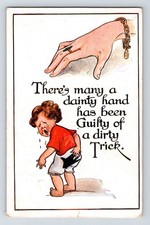
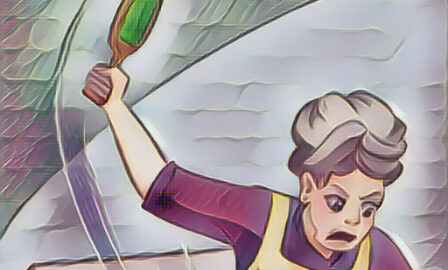
(short pause) Suddenly, Mother’s voice rang out, clear and commanding: “Edward? Where have you got to?” My heart gave a leap. There she stood in the doorway, hands on hips, her silhouette framed by the morning sun. I crept closer, cheeks aflame, and called, “Here, Mother.” Her eyes narrowed, and her tone was stern: “I told you not to move! Come here this instant – you are in for a good smacking, young man!”
(pause) The world seemed to shrink to the size of our little lane. I was mortified—not only by the prospect of a smacked bottom, but by the knowledge that every neighbour had heard. The children’s laughter faded to whispers, and I felt the weight of every eye upon me. I ran to Mother, pleading, “Please, no, Mum!” but I knew it was no use.
(short pause) Mother waited in the doorway, her face set with resolve. The familiar scent of lavender soap mingled with the sharp tang of her disapproval. She took my arm firmly and, without another word, led me inside. I caught a glimpse of Mrs. Carter’s raised eyebrows and Mr. Evans pretending not to notice, but I knew the story would be told and retold before the day was out.
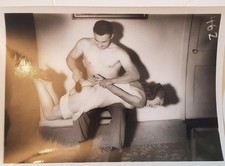
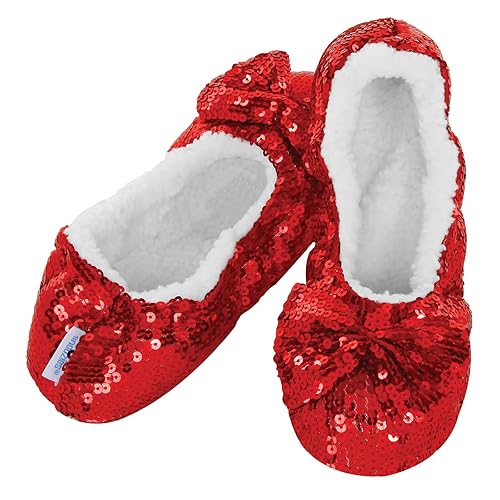
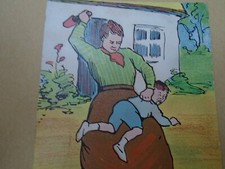
(pause) Once inside, Mother sat me down and, with a swift and practiced motion, removed her slipper. “Naughty boys must learn to listen,” she declared, her voice echoing in the narrow hallway. The slipper landed with a brisk, stinging rhythm, each smack a lesson in obedience. Tears sprang to my eyes, and I wriggled, but Mother’s grip was firm. “You must learn, Edward,” she said, “that rules are made for your own good.” The pain was sharp, but it was over quickly, and I knew in my heart that Mother’s love was as sure as the sun rising over the Sussex Downs.
(short pause) When at last she set me down by the kitchen table, my legs trembled. “Now, sit there and do not move again,” she instructed. I tried my best, but the sting made it difficult to sit properly. I hovered above the chair, hands gripping the table, determined to show I had learned my lesson. The kitchen seemed smaller, the air thick with the scent of boiled cabbage and the faint trace of Mother’s perfume.
(pause) I looked up at Mother, searching her face for forgiveness. She met my gaze, her eyes softening, and with a gentle shake of her head, she returned to her morning tasks. Relief washed over me, mingled with the lingering sting and a deep sense of shame. Outside, the world carried on—the children’s laughter, the clatter of a bicycle, the distant bark of a dog. Life, it seemed, was always ready to move forward.
(short pause) After a few minutes, the pain faded enough for me to sit down properly. I pressed my palms to the cool table, steadying myself. The kitchen clock ticked on, and I wondered if the neighbours were still talking about me, if my misadventure would be the talk of the corner shop or the schoolyard come Monday.
(pause) Soon, Mother returned, her face now gentle and kind. “Come along, Edward, we must be off,” she said, ruffling my hair with a forgiving hand. The storm had passed. I hurried to her side, eager to put the whole episode behind me. She took my hand, and together we stepped out into the sunlight, the world bright and full of promise once more.
(short pause) Down the lane we walked, past the rows of pebble-dashed houses and the gardens bursting with colour. The High Street was alive with the scent of fresh bread and the cheerful chatter of neighbours. Mother treated me to a bun at the tea shop, the sweet icing sticking to my fingers, and for a while, all was forgiven. Her laughter rang out as we browsed the market stalls, and I felt the warmth of her love in every smile.
(pause) Even now, I sometimes wonder how many people saw or heard my smacking that Sunday morning. The side of our house was close to the street, and anyone passing might have witnessed my moment of disgrace. But in our corner of Sussex, a smacked bottom was nothing unusual, especially for boys. It was simply part of growing up—a lesson learned, and soon forgotten by all but the one who received it.
(short pause) Mother never kept her discipline a secret. She would tell family and neighbours, her voice a mixture of pride and exasperation: “I gave Edward what for.” And the neighbours would nod, understanding, for in Seaford, that was simply the way of things.
(pause) And so, dear reader, let us remember: rules are made for our own good, and a mother’s love, though sometimes stern, is always true. For in the end, it is through such lessons that we grow into kind, thoughtful, and well-mannered people—ready to face the world with courage and a smile.