(gap: 2s) My childhood unfolded in the bustling heart of 1970s India, a world alive with the clatter of bicycle bells, the scent of jasmine drifting through open windows, and the ever-present hum of family life. Our home was modest but filled with warmth—a place where discipline and affection walked hand in hand, and every day seemed to carry a lesson waiting to be learned.
My father, a diligent banking professional, was often away, his shoes polished to a mirror shine and his briefcase always at the ready. My mother, on the other hand, was a force of nature—modern in her outlook, with a sharp mind and a sharper sense of style. She wore her hair to her shoulders and preferred sleeveless blouses, a quiet rebellion against the expected saree. Yet, beneath her progressive exterior, she held fast to the old ways when it came to raising children.
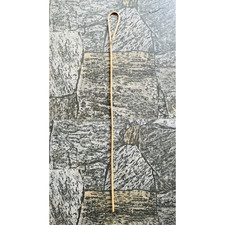
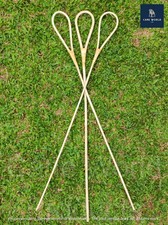
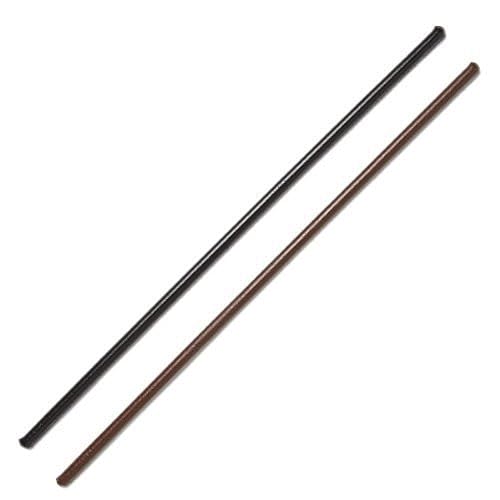
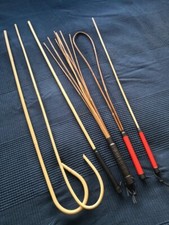
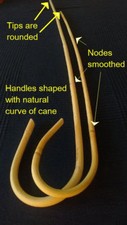
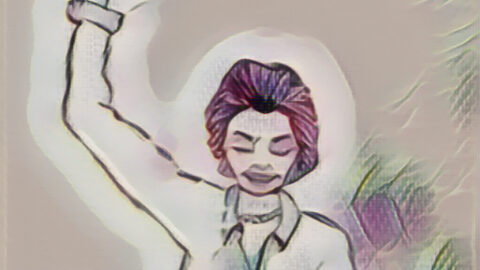
Mother was both my teacher and my parent, a combination that brought its own unique challenges. She taught English at my boys-only higher secondary school, a place renowned for its academic excellence and its unwavering discipline. The classrooms echoed with the swish of canes, each teacher keeping one within easy reach, and my mother was no exception. Her cane—a slender, flexible rod—rested on her desk like a silent promise.
She was respected, even admired, by her colleagues and students alike. The other lady teachers, dressed in crisp cotton saris or smart Western skirts, would often gather in the staff room, their voices a gentle murmur. But when the bell rang, order reigned. My mother’s presence in the classroom was commanding; her eyes could silence a room, and her words, though fair, brooked no argument.
By the time we left for college, my classmates and I spoke English with confidence, our grammar precise and our vocabulary rich. But it was not only her lessons that shaped us. The discipline she enforced—sometimes with a minimum of two sharp strokes on the palm, sometimes as many as eight for more serious transgressions—left its mark, both on our hands and in our minds. The sting of the cane was swift, but the lesson lingered long after the pain had faded.
For me, the experience was doubly intense. As her son, I felt the weight of her expectations more keenly than anyone else. She was, if anything, stricter with me than with the other boys. I lived in constant awareness of her watchful gaze, and the knowledge that my every mistake would be reported back to her by her fellow teachers. There was no hiding, no leniency, only the steady pressure to do better, to be better.
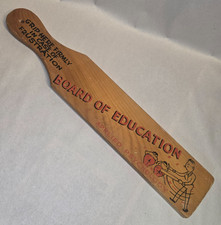
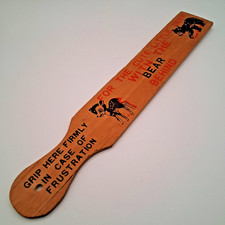
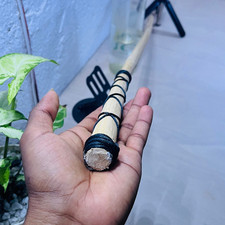
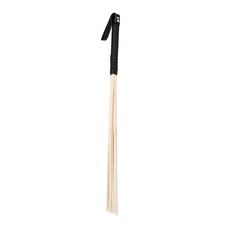
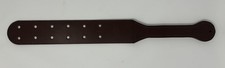
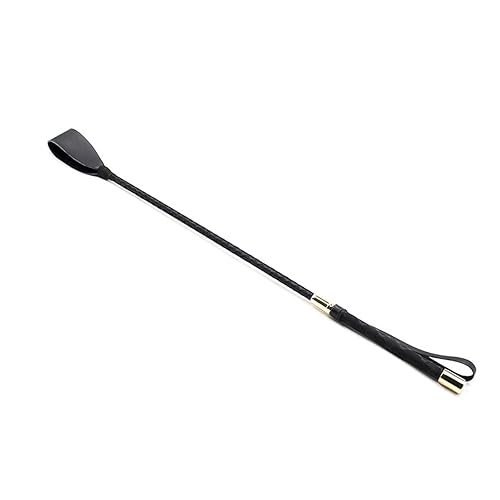
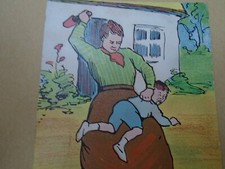
At home, the atmosphere was different but no less disciplined. Mother kept a long, thin rattan cane tucked away in a cupboard, its presence a quiet reminder of the standards she expected. It was rarely used, for the discipline of school carried over into our home life. Still, on those rare occasions when I brought home a poor report or a teacher’s complaint, the cane would emerge, and I would brace myself for the punishment I knew I deserved.
I remember one day in particular—a day when I failed mathematics. The shame burned hotter than the welts that rose on my skin after the caning. My mother’s face was stern, her disappointment palpable. The cane whistled through the air, each stroke a sharp lesson in responsibility. My hands and legs bore the marks for days, a physical reminder of the consequences of carelessness. Yet, as harsh as it seemed, the punishment worked. I never scored less than eighty percent in maths again, and the lesson—painful as it was—became a cornerstone of my character.
Most days, though, I was careful to stay within the lines. Mother’s discipline was not only in the cane, but in her very presence. A single stern look, her nostrils flared in silent warning, was often enough to bring me back to my senses. There was a kind of security in her firmness, a sense that the world was ordered and just, and that every action had its consequence.
Looking back, I see now that my mother’s strictness was rooted in love. She wanted the best for me, and her discipline was her way of preparing me for the challenges of the world. The lessons I learned—about respect, responsibility, and perseverance—have stayed with me all my life. The pain of the cane faded, but the strength it forged remains, a quiet legacy from a mother who believed that love sometimes needed to be firm, and that the truest lessons are those that shape not just the mind, but the heart.