In the gentle hush of Newcastle’s 1960s suburbs, where the air was tinged with the scent of coal fires and the distant chime of church bells, family life unfolded with a quiet dignity. Rows of red-bricked semis stood sentinel along tree-lined avenues, their manicured lawns and polished gates a testament to the pride of their inhabitants. Here, tradition was not merely observed, but cherished—woven into the very fabric of daily existence. Our home, like so many others, was governed by the unspoken codes of discipline, respect, and moral uprightness. As the only child, I was both the cherished centre of my parents’ world and the sole bearer of their hopes, their anxieties, and their unwavering expectations.
My mother, a woman of remarkable fortitude and grace, bore the scars of a grave illness that followed my birth. The shadow it cast was long and, in the eyes of our church, tinged with spiritual consequence. In a community where the laughter of siblings was the norm and motherhood was a sacred calling, her solitary child was a quiet sorrow—one that set us apart, sometimes painfully so. The whispers of neighbours, the sympathetic glances at Sunday service, and the subtle exclusion from mothers’ gatherings were reminders of our difference. Yet, my mother met these trials with a stoic resolve, her chin held high beneath her silk scarf, her devotion to duty unwavering. She poured her energies into creating a home that reflected the highest ideals of Christian womanhood: spotless linens, polished silver, and a gentle, guiding hand.
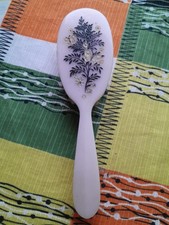
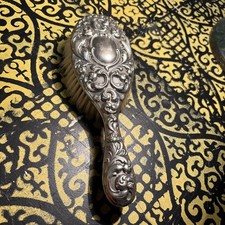
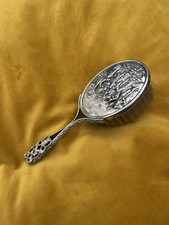
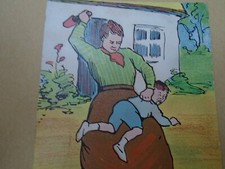
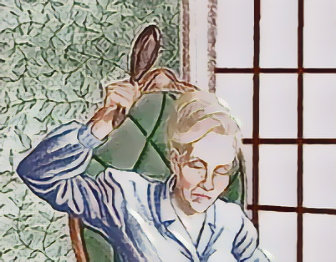
Discipline, in our household, was not a matter of anger or impulse, but a solemn ritual, imbued with purpose and care. The very air would change when correction was due—a hush would fall, the ticking of the mantel clock growing louder, the scent of tea and coal mingling with anticipation. A firm command, spoken in my mother’s clear, unwavering voice, would summon me to the centre of the room. Sometimes it was the warmth of the living room, the gas fire humming softly, paisley cushions neatly arranged, and the faint strains of a Beatles record in the background. Other times, it was the cool, echoing bathroom, its tiles gleaming, the air heavy with steam and expectation. The implements of discipline were chosen with deliberation and a sense of ceremony: my mother’s hand for the smallest lapses—a sharp, fleeting sting that left no mark but impressed the lesson upon my heart; the wooden spoon or hairbrush for more serious misdeeds, their weight and sound a reminder of the gravity of my actions; and, on the rarest of occasions, the leather belt, reserved for the gravest offences, its presence alone enough to inspire trembling remorse. Each instrument carried its own moral: the hand, a gentle nudge back to propriety; the spoon and brush, a firmer insistence on self-control; the belt, a solemn warning against true wrongdoing. The anticipation was often the most powerful teacher—the slow walk to the centre of the room, the careful rolling up of sleeves, the quiet, measured words of admonition. Afterwards, I would be sent to my room, the silence there thick with reflection, the ache a physical reminder of the standards to which I was held. In those moments, I learned humility, the value of order, and the deep, if sometimes painful, love that underpinned every act of correction.
In our close-knit community, the responsibility for a child’s moral instruction was shared among all adults, each acting as a guardian of virtue. Whether it was my mother, my father—his office attire rumpled after a long day—or a respected elder from the church, discipline was always administered with fairness and dignity. There was a sense of collective purpose: to raise children who would honour their families, their faith, and their neighbours. The rituals were familiar—the stern look, the gentle but firm grip on a shoulder, the quiet explanation of what had gone awry. Even when discipline was meted out by another’s hand, it was understood to be an act of care, a reinforcement of the values that bound us together.
The lessons imparted through these rituals were never merely punitive. The warmth of an adult’s hand, though it might bring tears, was a reminder of the attention and care invested in my upbringing. The sharp report of a slap, echoing through the room, was not a sound of cruelty, but a call to order—a prompt to reflect, to mend one’s ways. The more severe implements, such as the hairbrush or wooden spoon, were wielded not in anger, but with a grave sense of duty. Each stroke was measured, each word of admonition carefully chosen. After the ordeal, there was always a moment of reconciliation: a gentle word, a soft hand smoothing my hair, or the quiet presence of a parent sitting nearby as I composed myself. These moments, tender and restorative, transformed discipline into an act of love—a reaffirmation of the bond between child and parent, and a lesson in forgiveness and renewal.
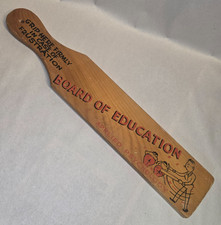
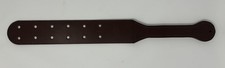
Education, too, was a family affair, conducted with the same blend of affection and firmness. My Aunt Naomi, a woman of formidable patience and gentle authority, presided over the lessons in my Uncle Stephan’s spacious lounge. The room would fill with the chatter and laughter of over fifty children, cousins and neighbours alike, their faces flushed with excitement and mischief. Order was maintained by Aunt Naomi’s steady gaze and, when necessary, her trusty wooden bread board—affectionately dubbed the “spanker.” This paddle, half an inch thick and polished smooth by years of use, was reserved for those rare moments when a child’s exuberance threatened the peace of the classroom. Its application was swift and decisive: a sharp crack would silence the room, the recipient chastened but never humiliated, returning to their studies with renewed focus and a sense of fair play. The lesson was always clear—respect for authority, consideration for others, and the importance of self-restraint. Through such measures, Aunt Naomi created an atmosphere where learning could flourish, and I, ever mindful of her expectations, strove to be diligent and obedient.
As I grew older, the rituals of discipline took on a deeper significance. No longer did I require mischief to warrant correction; instead, the very act of obedience became a familiar, almost comforting rhythm. When summoned, I would present myself with humility, my heart pounding but my resolve steady. The process—anticipation, correction, and reflection—became a daily rite, instilling in me a sense of responsibility and self-mastery. The outcome was not merely the cessation of misbehaviour, but the cultivation of character, the strengthening of familial bonds, and the quiet pride that comes from meeting one’s parents’ expectations.
In the quiet hours that followed—lying in bed as dusk settled over the suburb, the soft glow of porch lights flickering through the curtains—I would reflect upon the day’s lessons. The gentle ache served as a physical reminder of the standards to which I was held, and the love that underpinned every act of correction. Through these experiences, I came to understand that discipline, when administered with care and purpose, is not a source of resentment, but a foundation upon which respect, order, and affection are built. The moral lessons of childhood, so carefully imparted, endure long after the sting has faded, shaping us into the women and men we are meant to become—steadfast, compassionate, and ever mindful of the values that bind us to one another.