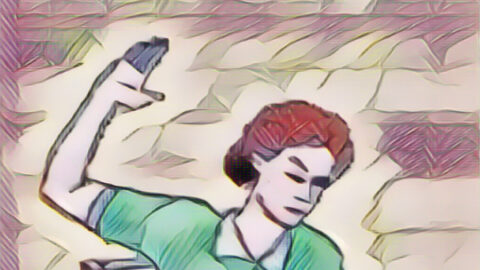
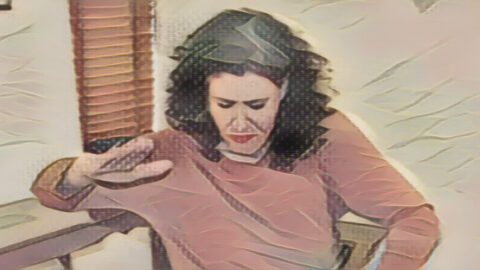
In the gentle, rolling hills above Carnlough, where the sea’s breath mingled with the scent of wild gorse and the cries of distant gulls, there nestled the tiny village of Galboly. Here, in a snug stone cottage with a thatched roof and smoke curling from the chimney, lived three brothers and their mother—a family bound together by love, faith, and the quiet rhythms of rural life. The cottage was small, but it was filled with warmth: the golden glow of the turf fire, the soft hum of the wireless, and the ever-present aroma of peat and baking bread. (short pause)
Their father, a gentle soul, had gone to Heaven some years before, leaving Mother to guide her sons alone through the joys and sorrows of childhood. Though her heart ached with loss, she drew strength from her faith and the steadfast routines of village life. Each morning, before the sun had fully crested the hills, she would kneel by her bedside, whispering prayers for her boys. And each night, as the wind rattled the windowpanes and the sea sang far below, she would bless them, her voice a soft shield against the darkness. (pause)
Life in Galboly was simple, yet rich with the treasures of childhood. The boys, clad in wool jumpers and wellies, would race down the misty lane, their laughter echoing between the stone walls as they chased a battered football or splashed through puddles. They helped with chores—gathering kindling, fetching water, and minding the hens—learning early that every hand was needed in a home where love was plentiful but pennies were few. Yet, as in every family, mischief sometimes crept in, and lessons—some gentle, some stern—had to be learned. (pause)
One quiet Sunday afternoon, as the kettle sang on the range and the fire crackled in the hearth, the peace of the cottage was suddenly broken. Mother’s voice, usually gentle as a lullaby, rang sharp and clear from the narrow hallway, slicing through the hush like a bell. She called the two older boys by name, her tone leaving no doubt that trouble had found its way into their home. (short pause)
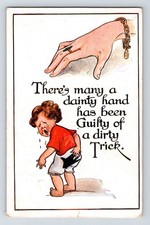
The boys shuffled into the parlour, their socked feet silent on the cold flagstones, faces pale and eyes wide with worry. Mother stood by the table, her faded apron dusted with flour, holding a crumpled page torn from a grown-up magazine. Her eyes, usually so kind, were clouded with sadness, but her voice was steady as she spoke—each word heavy with meaning. (pause)
“My dears,” she said, her voice trembling just a little, “you know well that mischief and secrets have no place in this house. You must always be honest and good, for that is what God and your father would wish.” The words hung in the air, as heavy as the scent of peat smoke, and the boys felt the weight of their mother’s disappointment settle on their shoulders. (pause)
The boys hung their heads, cheeks burning with shame. Mother’s disappointment was a sharper sting than any scolding, for her love was the sun around which their world revolved. Yet, she knew—as all mothers do—that sometimes a lesson must be learned the hard way, so that it will never be forgotten. (pause)
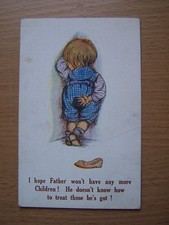
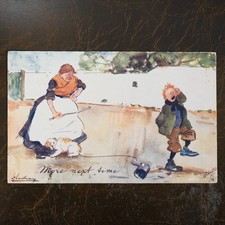
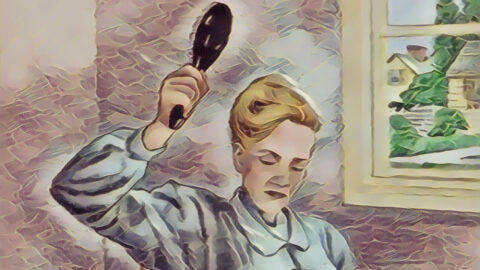
With gentle firmness, Mother sat in her wooden chair by the fire and called the youngest brother to her side. She took up the wooden hairbrush, not in anger, but with the solemn duty of a parent who loves her children more than words can say. The room was so quiet that the ticking of the clock and the distant caw of a crow outside could be heard, as if the whole world was holding its breath. (pause)
Over her lap he went, his heart pounding like a drum. The hairbrush landed with a sharp crack, and the boy gasped, his feet kicking against the faded rug, tears springing to his eyes. Each smack was a reminder that actions have consequences, and that honesty and respect are treasures to be cherished above all else. (pause)
When it was over, Mother gathered him into her arms, holding him close as he sobbed into her apron. She wiped his tears with gentle hands and whispered that she loved him, but that he must always remember to do what is right, even when it is hard. Her embrace was warm and safe, a promise that love endures even through sorrow. (pause)
Then it was the older brother’s turn. He tried to be brave, biting his lip as he bent over Mother’s lap, but his courage faltered and a single tear traced down his cheek. The hairbrush fell again, each smack a lesson in obedience and the importance of telling the truth. When it was done, he too was gathered into Mother’s arms, his tears met with gentle words and a soft kiss on the forehead—a silent vow that forgiveness always follows repentance. (pause)
The room was filled with the quiet sounds of sorrow and forgiveness—the crackle of the fire, the ticking of the clock, and the soft sniffles of boys learning that even when we make mistakes, we are still loved. The glow of the hearth wrapped around them, a golden cocoon of comfort and hope. (pause)
But Mother knew that the lesson was not yet finished. Her voice softened, almost a whisper, as she said, “Sometimes, when we stray far from what is right, a sterner lesson is needed.” She took up the leather strap, her face sad but resolute, and explained that this was not done out of anger, but out of love and duty—a mother’s burden, heavy but necessary. (pause)
The younger brother bent over the end of the settee, his heart thundering in his chest. The strap whistled through the air and landed with a sharp smack. He cried out, promising through his tears never to do wrong again, and Mother reminded him gently that true repentance means not just saying sorry, but changing our ways. Her words, though stern, were laced with hope—a belief that every child can grow into goodness. (pause)
The older brother followed, gripping the settee tightly, knuckles white. The strap fell, and though he tried to be brave, tears ran down his cheeks. Mother’s voice was soft as she told him that every family must have rules, and every child must learn to follow them, for rules are the fence that keeps us safe and the guide that leads us home. (pause)
When it was over, the boys stood with heads bowed, their hearts full of sorrow and resolve. Mother gathered them close, her arms a shelter against the world, and together they knelt by the fire to pray for forgiveness and strength to do better. The flickering flames danced on the walls, casting shadows that seemed to whisper of hope and new beginnings. (pause)
The crumpled page was tossed into the fire, its lesson learned and its mischief forgiven. The boys went quietly to their rooms, the pain fading but the lesson remaining, as the wind rattled the windows and the sea’s lullaby drifted up from the cliffs below. In the darkness, each boy lay awake for a while, thinking of Mother’s love and the promise of a new day. (pause)
And so, in that little cottage on the Antrim coast, three brothers learned that love sometimes means correction, and that the truest families are those who forgive, who guide, and who hold each other close—no matter what. (long pause) For in the end, it is not the sting of the hairbrush or the strap that lingers, but the warmth of a mother’s love, the lessons that shape us into good and honest people, and the gentle certainty that, no matter our mistakes, we are always welcome home.