(gap: 2s) When I was a little girl, my very best friend was a kind and cheerful girl named Sandra. She lived in a pretty stone cottage just off the main square in the village of Tideswell, where everyone greeted one another with a smile and the air always seemed to carry the scent of fresh bread from the bakery and the distant tang of coal smoke. The village was a patchwork of winding lanes, neat gardens, and the gentle clatter of milk bottles in the morning. One Sunday evening, I was invited to spend the night at Sandra’s home, and I was filled with excitement, my heart fluttering like a sparrow as I packed my overnight bag with my favourite pyjamas and a well-loved teddy bear.
Sandra’s mother was a gentle and bustling lady, always ready with a warm embrace or a plate of biscuits. Her pinny was always dusted with flour, and her cheeks were rosy from the heat of the kitchen. She welcomed us with a kind smile, her arms open wide, and soon sent us out into the garden so she could prepare tea. There were only three of us that evening, for Sandra’s father was away working at the quarry, and the house felt both cosy and a little quieter than usual.
Outside, we played merrily on the cobbled path, the stones cool beneath our feet and the air filled with the distant laughter of other children. Sandra discovered two old tennis racquets and a ball, their handles worn smooth from years of use. We began a lively game upon the patch of grass behind the cottage, the blades tickling our ankles as we darted about, laughing and running with great delight. The sun was low, casting golden light over the rooftops, and the scent of wild primroses drifted from the hedgerow.
I did not realise how near we were to the house, so caught up was I in the fun. Sandra sent the ball flying towards me, and I struck it back with all my strength, the racquet making a satisfying thwack. Sandra missed, and the tennis ball sailed past her, striking the glass of the porch door with a sharp, shocking crack. We both froze, staring at the jagged line about eight inches long that now marred the glass, our laughter dying on our lips.
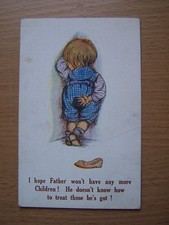
Sandra’s mother hurried outside, her face very serious, her slippers making soft scuffing sounds on the stone. “Girls, how many times have I told you not to play so close to the house?” she said in a firm voice, her eyes searching our faces. We stood in silence, our hands clasped behind our backs, feeling very small indeed. “Which of you struck the ball?” she asked, her tone gentle but unyielding. I raised my hand, my cheeks burning with shame and my eyes prickling with tears. “You must both be punished,” she said, her voice calm but resolute. “Go up to your room at once.”
We climbed the narrow stairs to Sandra’s small bedroom, our hearts beating quickly, the old boards creaking beneath our feet. The room was filled with the soft glow of evening, patchwork bedding neatly tucked, and a poster of the Bay City Rollers smiling down at us from the wall. We listened to the quiet sounds below—the clink of crockery, the low murmur of voices—and then we heard Sandra’s mother speaking on the telephone, perhaps to my own mother, her words muffled but serious.
After what seemed a very long time, we heard her footsteps upon the stairs, slow and measured. The door opened, and there she stood, holding a table tennis bat in her hand. Sandra’s eyes filled with tears, and I felt a dreadful sinking feeling in my tummy, as if I had swallowed a stone. The room seemed to shrink around us, the ticking of the little carriage clock on the mantelpiece suddenly very loud.
In the corner of the room was a little desk where Sandra did her schoolwork, its surface scattered with pencils and exercise books. Her mother pulled it to the centre, facing the iron bedstead, and sat down, smoothing her skirt. She looked at us both with a grave expression, her eyes kind but determined. “Yes, Caroline, you must be punished as well. You shall go first. Come here, please.”
I stood quite still, my hands trembling at my sides, for my own mother rarely smacked me, and I was surprised she had agreed to this. But I knew I must obey the rules of Sandra’s home, and I did not want to disappoint her further.
When I did not move, Sandra’s mother’s face softened. She stood, took my hand in hers—her palm warm and slightly floury—and led me gently to her side. “Come along, dear. Let us get this over with,” she said, her voice gentle but firm.
She placed me at her right, then guided me over her knee. I stared at the faded rug, my heart thumping with dread and anticipation. The room was very quiet, and I could hear the ticking of the little carriage clock on the mantelpiece, the faint hum of the radio from downstairs, and the distant call of a blackbird in the garden.
Sandra’s mother raised the table tennis bat and, with a steady hand, delivered six firm smacks to my bottom. Each smack landed with a crisp sound, not too hard, but enough to sting and remind me of my mistake. The bat was cool and smooth, and with every smack, I felt a sharp tingle that made me gasp. By the third, my eyes filled with tears, and I bit my lip to keep from crying out. I tried to be brave, but by the sixth, I could not help but sob, my cheeks wet and my heart full of regret and shame. The room seemed to blur, and I could smell the faint scent of lavender from the pillow nearby.
At last, she set me gently on my feet. My bottom smarted, but I knew I had deserved it. Then, to my surprise, Sandra’s mother opened her arms, and I ran into her embrace, crying softly into her apron. She stroked my hair and spoke in a gentle voice, telling me that she forgave me, but that I must always remember to be careful and to obey the rules. Her hug was warm and safe, and I felt the sting of the punishment fade, replaced by a deep sense of comfort.
Then she turned to Sandra and took her gently by the wrist. Sandra, though trembling, bent obediently over her mother’s lap, her plaits falling forward. Sandra’s mother gave her six smacks as well, each one as firm and fair as mine. Sandra cried out at every smack, her voice high and thin, and by the end, her face was wet with tears, but she too was gathered into her mother’s loving arms and comforted. The room was filled with the soft sounds of sniffles and the gentle murmur of forgiveness.
I watched, feeling both embarrassed and comforted. What struck me most was how loving Sandra’s mother was, even as she punished us. She did not scold or shout, but explained that discipline was necessary so that we might learn right from wrong. Her words were gentle, and she wiped our tears with the corner of her apron, her eyes shining with kindness.
Sandra’s mother put the chair back in its place, her movements calm and unhurried. “Now, I want you girls to stay here for a while and think about what you have done, and why you were punished,” she said kindly but firmly. She closed the door softly behind her, leaving us in the quiet, sunlit room.
We lay on Sandra’s bed for what seemed a long time, quietly talking about our parents and the punishments we had received. The room smelled of soap and old books, and the evening light painted golden stripes across the floor. Sandra told me that her father, when home from the quarry, was much stricter, and that she dreaded his stern voice. We whispered secrets and shared stories, our voices hushed and close, until we heard Sandra’s mother call us down for tea.
We changed into our pyjamas, the soft cotton cool against our skin, and padded downstairs in our slippers. The kitchen was warm and bright, the table set with thick slices of bread and jam, a plate of ginger biscuits, and steaming mugs of cocoa. Sandra’s mother smiled at us, her eyes gentle, and we felt the last of our shame melt away as we ate together, the taste of home and forgiveness mingling in every bite.
We returned to the sitting room and sat on either side of Sandra’s mother on the old settee, feeling rather subdued but also safe and loved. The radio played softly in the background, and the clock ticked steadily on the mantelpiece. Sandra’s mother read us a story, her voice soothing, and soon our eyelids grew heavy.
What I remember most about that evening in Tideswell is how Sandra’s mother was both firm and loving. She taught us a valuable lesson about rules, forgiveness, and the gentle strength of a mother’s love. I never forgot it, and I always tried to do what was right thereafter, carrying the memory of that Sunday evening with me like a small, shining pebble in my pocket.