There is a gentle wistfulness that lingers about the recollections of my childhood, as enduring as the faint aroma of coal smoke drifting through the lanes of Little Elms. Our village, with its neat rows of houses and well-tended hedgerows, was a place where the rules of conduct were as steadfast as the seasons, and the lessons of right and wrong were imparted with a firm but loving hand.
(short pause) I recall most vividly the year I was in the eighth form, a time when the world seemed to be shifting ever so slightly, unsettling the certainties of our elders. The girls at school, myself among them, had begun to test the boundaries of our uniforms—skirts rolled up a daring inch, blouses unbuttoned just so. My mother, ever vigilant, would never have permitted me to leave the house in such a state. Yet, like many before me, I would pause at the corner, out of her sight, and with trembling fingers, adjust my skirt, my heart fluttering with a curious blend of apprehension and excitement.
The school itself was a sturdy red-brick building, its corridors echoing with the sound of polished shoes and the gentle hum of teachers’ voices. The air was always tinged with chalk dust and the faintest hint of boiled cabbage from the canteen. That week, the headmistress announced a renewed vigilance regarding the dress code. The news swept through the classrooms like a brisk wind, and I felt a shiver of unease, though I endeavoured to appear unconcerned.
(pause) It was during the first lesson, as rain pattered softly against the windowpanes, that the summons came. My name, along with several others, was called over the tannoy. I remember the glances exchanged—some sympathetic, some triumphant. We gathered in the corridor, a motley assembly of girls from various years, each of us tugging at our uniforms, attempting to restore them to their proper state. Not a single boy among us, though I knew well enough that the rules were not always observed by one side alone.
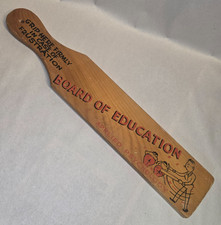
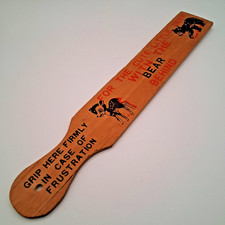
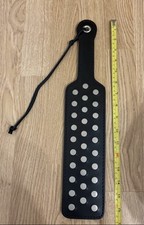
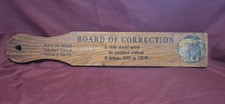
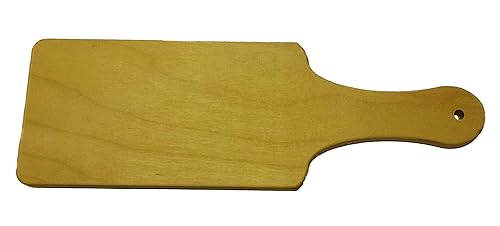
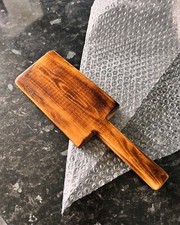
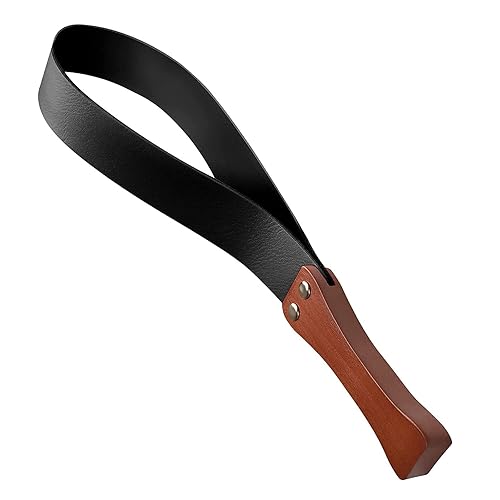
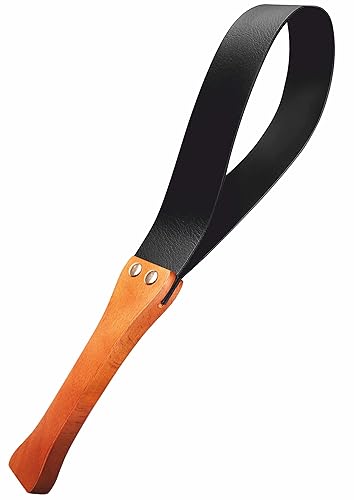
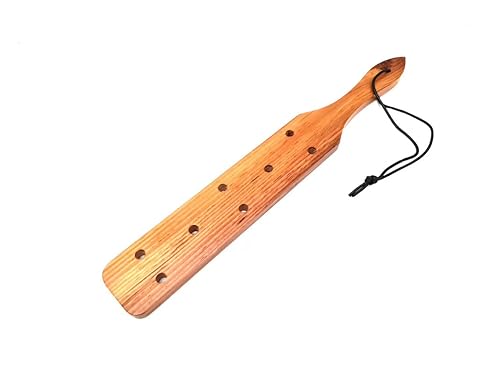
I was not the first to arrive, but I was the first to be called in. The walk to the headmistress’s office seemed endless, my shoes squeaking on the polished floor. Mrs Anderson, the headmistress, was a lady of gentle manners and kindly countenance, her hair silvered at the temples. she had always seemed almost avuncular, the sort of caring person who might slip you a barley sugar sweet if you looked downcast. But as I entered, I perceived a different aspect. her eyes were grave, and upon the desk before her lay the paddle—a broad, polished board, its surface worn smooth by years of use.
My heart thudded within my chest. I had heard whispers of the paddle, of course, and knew of a few boys who had felt its sting, but never a girl. The sight of it made my mouth go dry. Mrs Anderson’s voice, usually so warm, was now clipped and formal. “Miss Evans,” she began, “I am most disappointed. You were warned last Friday, were you not?” I nodded, unable to meet her gaze. “And yet here you are, in clear defiance of the rules. I am afraid I have no alternative.”
she pronounced my sentence: four strokes with the paddle, and fifty lines to be written—‘I will dress in an appropriate manner at school’—to be signed by my mother. My mind raced. Four strokes! I longed to protest, but the words would not come. Instead, I nodded, cheeks burning with shame and trepidation.
“Bend over the desk, if you please,” she said, her tone brooking no argument. I hesitated, glancing at the paddle, then at the window, where the rain now fell in earnest. With trembling hands, I bent over, acutely aware of how short my skirt now seemed. The desk was cold beneath my palms. I squeezed my eyes shut, bracing myself for what was to come.
The first stroke landed with a sharp crack, echoing through the room. A hot, stinging pain blossomed across my backside, swift and unmistakable. I gasped, biting my lip to keep from crying out. The second and third followed in quick succession, each one building upon the last, until my resolve began to falter. By the fourth, tears streamed down my cheeks, and I clung to the desk as though it were a lifeline. Yet, through the pain, I sensed the purpose behind the punishment—a lesson, firm but not unkind, meant to guide rather than to wound.
When it was over, Mrs Anderson’s manner softened. she pressed a handkerchief into my hand and murmured, “There, there, Miss Evans. It is never easy, but I trust you will remember this lesson.” I nodded, still sobbing, and she offered a few gentle words of encouragement before sending me back to class.
The walk back through the corridors was a blur. I felt every eye upon me, though most pretended not to notice. My seat felt like a bed of nails, and I shifted uncomfortably, striving to focus on my lessons. The day dragged on, each hour stretching interminably. I dreaded the moment I would have to face my mother, the slip of paper in my pocket burning like a brand.
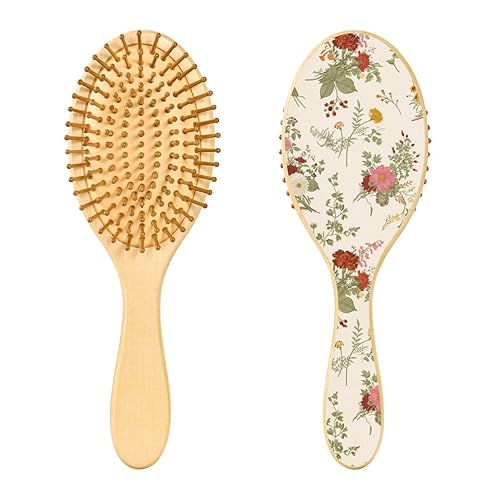
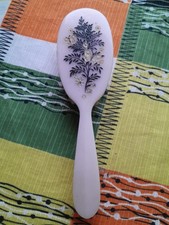
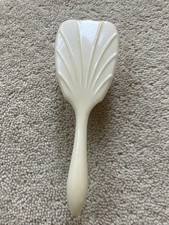
(pause) The bus ride home was a torment. Every jolt sent a fresh wave of pain through me, and I could not help but imagine the conversation that awaited. My mother was waiting at the door, her expression thunderous as I handed her the note. “What is this?” she demanded, her voice low and stern. I stammered an explanation, but she cut me off with a sharp smack to my already sore backside. “Upstairs. Fetch the hairbrush.”
My heart sank. I trudged up the narrow staircase, the wallpaper peeling at the corners, and retrieved the dreaded implement. In the parlour, the coal fire glowed, casting flickering shadows on the faded chintz curtains. My mother sat, her face set in resolute lines. “You know why this is happening,” she said, her voice softer now, but no less determined. “You must learn to respect the rules, for your own good.”
She raised my skirt, lowered my knickers, and drew me gently but firmly across her lap. The hairbrush fell with a steady, measured rhythm, each smack a lesson in humility and obedience. The sound was crisp, the sensation sharp, but never cruel. I wept, not only from the pain, but from the shame and the knowledge that I had disappointed her. When at last she was satisfied, she set me on a hard chair, my bottom throbbing, and handed me my lines to write. “You will finish these before bed, and you will think about what you have done.”
That night, as I lay in bed, the ache in my backside a constant reminder, I reflected on the day’s events. I understood, in a way I never had before, the weight of responsibility that comes with growing up. My mother’s discipline was firm, but it was not unkind. There was love in it—a desire to see me become a better person, to learn from my mistakes, and to grow in character.
(short pause) The next morning, I awoke with a sense of dread. My mother’s footsteps on the landing were unmistakable. “Up,” she said briskly. “We are not finished.” Another spanking, this one brisk and businesslike, to reinforce the lesson. I dressed carefully, my skirt at the proper length, and walked to school with a new sense of humility and resolve.
Sitting through lessons that day was agony, but I was not alone. I caught the eyes of several other girls, each of us shifting uncomfortably, our faces red with embarrassment and pain. When we handed in our lines, there was a sense of camaraderie, a silent understanding that we had crossed a line and paid the price. The discipline, though stern, was never without purpose, and we all knew, deep down, that it was meant for our good.
Looking back now, I see those days as formative. The discipline was strict, but it was never without affection. My mother, and even Mrs Anderson, believed in the value of a lesson well learned. I would have only one other encounter with the paddle, two years later, but that is a tale for another time.
(long pause) In the end, the spankings, the tears, and the shame were all part of growing up in Little Elms. They taught me respect, humility, and the importance of doing what is right, even when it is difficult. And though I would never have admitted it then, I am grateful for the lessons, stern though they were, and for the love that lay quietly beneath them, guiding me towards the person I was meant to become.