(gap: 2s) In the gentle countryside of rural Sussex during the 1950s, the rhythm of family life was as steady and comforting as the chime of the church bells on a Sunday morning. Our days unfolded in a world where tradition, propriety, and a steadfast adherence to moral instruction shaped every aspect of our existence. The air was often tinged with the scent of woodsmoke and the faint sweetness of wildflowers drifting in from the hedgerows, while the distant hum of a tractor or the cheerful whistle of the rag-and-bone man’s bell provided a familiar soundtrack to our lives.
(short pause) Within our modest home, discipline was regarded as a cornerstone of upbringing, as essential as the comforting whistle of the kettle or the familiar scent of coal smoke drifting through lace curtains. My mother—addressed as Mrs. Jenkins by our neighbours, but always “Mum” to her children—embodied the virtues of the English matron. Her hair, invariably arranged in a neat and sensible bun, framed a countenance that, though often weary, radiated both kindness and resolve. Her attire was unfailingly proper: a well-worn tweed skirt, a sturdy cardigan buttoned to the neck, thick stockings, and sensible shoes whose measured steps echoed upon the quarry tiles. She moved with purpose and grace, her hands ever occupied—pouring strong tea into chipped mugs, folding laundry with the precision of a seasoned housekeeper, or tending to the needs of her family with unwavering devotion.
(pause) The kitchen was the heart of our home, its warmth and bustle a constant comfort. The range was always alight, the kettle perpetually on the boil, and the air filled with the mingled aromas of baking bread, stewing apples, and the faint tang of coal. Mother’s hands, red and chapped from endless washing, moved with tireless efficiency—scrubbing potatoes, darning socks, or smoothing a child’s hair before school. The radio, perched on the windowsill, played light orchestral music or the gentle voice of the Home Service, its tinny notes mingling with the laughter of children and the clatter of crockery.
(short pause) My mother’s approach to discipline was firm, yet always fair. Her eyes, keen and observant, missed nothing, and her voice—steady and composed—could restore order with a single word. There was never a trace of cruelty in her manner; rather, her discipline was guided by a deep sense of duty and a desire to instil in her children the values of honesty, respect, and self-control. Each rule was explained with care, and every consequence was administered with the intention of teaching, not merely punishing. She believed that a child’s heart could be shaped as surely as bread dough beneath her hands—firmly, but with patience and love.
(pause) The most common form of correction in our household was the traditional spanking, a method widely accepted and understood in those days as a means of imparting important lessons. When a child’s behaviour warranted such attention—perhaps a fib told, a chore neglected, or a quarrel with a sibling—Mother would quietly lead the errant one to her own room. The hallway, with its faded floral wallpaper and sepia photographs of village fêtes, seemed to grow longer in those moments, the child’s socked feet silent on the cold quarry tiles.
(pause) There, seated upon her dressing table bench, Mother would explain the nature of the misdeed and the reason for the impending punishment. Her words were measured, her tone gentle but resolute. With gentle but resolute hands, she would guide the child across her lap and deliver a measured spanking with her open hand. The sensation, though sharp, was never excessive, and the lesson was always accompanied by a reminder of the values we were expected to uphold. As we grew older, the hand was sometimes replaced by the wooden hairbrush or, on occasion, the household slipper—each chosen with care, never in anger, and always in private, so as to preserve the dignity of the child.
(short pause) These private moments of correction were reserved for the majority of childhood mischiefs—forgotten chores, careless words, or minor acts of disobedience. Mother’s manner was calm and composed, her words gentle but firm. The child, chastened but not humiliated, would be encouraged to reflect upon their actions and to seek improvement. Afterwards, there would often be a quiet moment together, Mother smoothing the child’s hair or offering a comforting word, before sending them back to the warmth of the kitchen or the laughter of the garden.
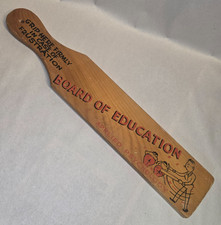
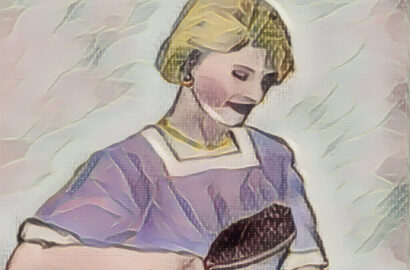
(pause) For more serious transgressions, however, a sterner lesson was required. In such instances, Mother would reach for the breadboard—a household implement seldom used for its intended purpose, but well known to all as a symbol of solemn correction. The breadboard, fashioned from alternating strips of light and dark wood, measured some six inches in width and fourteen in length, with a sturdy handle that bespoke both utility and authority. Its appearance was almost decorative, yet its purpose was understood by all.
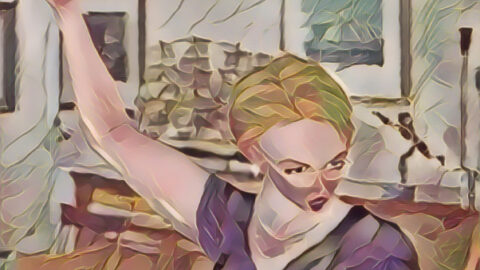
(pause) The breadboard spanking was a formal affair, conducted in the presence of the entire family. The atmosphere would become hushed and expectant, the ticking of the clock and the gentle crackle of the fire the only sounds to accompany the proceedings. The offending child, heart pounding, would be summoned to the centre of the room. Mother, her lips pressed into a thin, unwavering line, would roll up her cardigan sleeves and gesture to the end of the sofa. With trembling hands, the child would drape themselves over the arm of the couch, the coarse fabric rough beneath their cheek, the room filled with a sense of solemnity.
(pause) Mother would then raise the breadboard, her movements deliberate and composed. There would be a moment of suspense, a collective holding of breath, before the first swat landed with a firm and resounding crack. The sensation was immediate—a sharp sting, followed by a deep, throbbing ache. Each subsequent stroke was delivered with equal care, the pain serving as a vivid reminder of the seriousness of the offence. The child’s pleas and promises—“I have learned my lesson, Mother,” “It does hurt, truly”—were met with gentle reassurance, but the lesson continued until Mother was satisfied that the point had been made.
(pause) The emotional response was as significant as the physical. Tears were not discouraged, for they were seen as a sign of genuine contrition. The humiliation of being corrected before one’s siblings was keenly felt, yet it was understood as part of the moral lesson—a reminder that our actions affected not only ourselves, but the harmony of the entire household. When the ordeal was concluded, Mother would permit the chastened child to rise, legs trembling and cheeks wet with tears. There was no gloating, no sense of triumph—only a quiet, aching relief and a renewed resolve to do better.
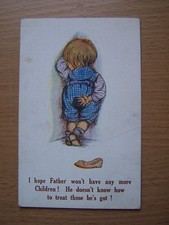
(pause) As a final measure, the child would be directed to stand against the wall, hands placed upon their head, for a period of thirty minutes. This time was intended for reflection, the discomfort in one’s person serving as a gentle but persistent reminder of the consequences of misbehaviour. Gradually, the shame would give way to contemplation, and the lesson would be absorbed. The rest of the family would go about their business quietly, the radio playing softly, the scent of tea and biscuits drifting from the kitchen, while the child reflected on the importance of honesty, respect, and self-control.
(pause) Such breadboard spankings were rare—perhaps half a dozen times in a year—but each was indelibly etched in memory. Through it all, Mother remained steadfast: firm, fair, and, above all, loving. Her discipline was as much a part of our childhood as the village green or the sound of church bells on a Sunday morning. Though the lessons were sometimes stern, they were always imparted with the intent to guide, to nurture, and to prepare her children for the responsibilities of adult life.
(pause) In the quiet hours after such lessons, Mother would often find the chastened child and draw them close, her arms warm and reassuring. She would speak softly of forgiveness and the hope of better days, her words weaving a gentle balm over the sting of correction. In these moments, the true depth of her love was revealed—not in the severity of her discipline, but in the tenderness with which she gathered her children back into the fold.
(pause) Looking back, I see that my mother’s unwavering standards and her example of quiet strength became the foundation upon which our