(gap: 2s) Once upon a Sunday morning, in the gentle heart of Little Wingham, the village awoke beneath a veil of mist and the sweet perfume of wild primroses. The red-brick cottages stood in neat rows, their windows aglow with the promise of a new day. Children, myself included, tumbled out into the green, our jumpers lovingly darned and our shoes showing the honest wear of many adventures. The air rang with laughter and the clatter of a well-kicked football, while mothers, wrapped in sensible headscarves and sturdy coats, gathered by the grocer’s to exchange the news of the day.
(short pause) In those days, discipline was as much a part of life as the morning porridge or the evening prayers. My own mother, a woman of brisk step and no-nonsense manner, believed firmly in the value of a well-timed lesson. Though I was a modest and rather timid girl, I was not immune to mischief, and on one memorable occasion, I found myself at the very centre of a childhood drama.
(pause) It began with a quarrel on the green—a foolish spat over a stick of seaside rock, which ended with me in tears and my brother’s pride wounded. Mother’s eyes, sharp as a hawk’s, missed nothing. With a firm hand, she led me by the ear down the narrow corridor, the linoleum cool beneath my feet and my heart thumping like a drum. The sitting room, usually so cosy with its crocheted blankets and coal fire, now seemed a place of solemn judgment.
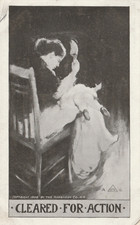
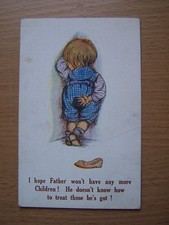
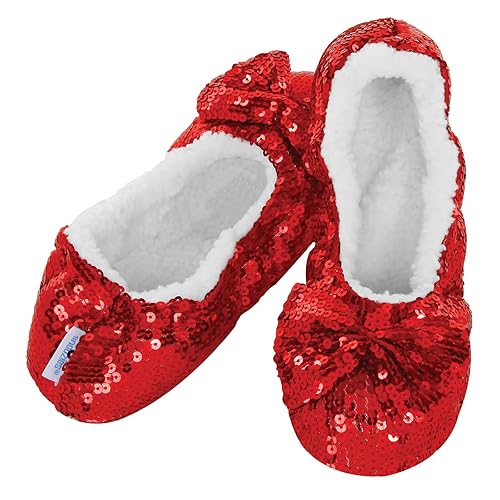
(pause) “Stephanie,” she said, her voice as steady as the ticking of the mantel clock, “you know very well what happens to naughty girls who cannot behave.” With that, she reached for her slipper—a well-worn thing, soft at the heel but sturdy at the sole, kept always on the sideboard for just such occasions. My cheeks burned with shame as she sat upon the edge of the bed and, with gentle but unyielding hands, guided me across her lap.
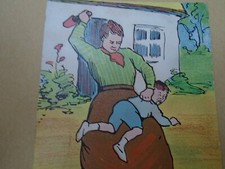
(short pause) The world seemed to shrink to the faded rose wallpaper and the sound of my own breath. Mother raised the slipper, and with a swift, practiced motion, brought it down upon my upturned bottom. The sting was sharp, and I could not help but cry out, more from surprise and mortification than pain. Again and again, the slipper fell—never cruel, but firm and measured, each smack a punctuation mark in the lesson she wished to teach.
(pause) When at last it was over, I lay across her knees, sobbing quietly, my pride as sore as my backside. Mother set the slipper aside and gathered me into her arms, her voice now gentle as she explained, “Stephanie, a girl must learn to be kind and honest, for these are the virtues that will carry her through life.” I nodded, sniffling, and promised to do better, the lesson written not only on my skin but deep within my heart.
(pause) At breakfast the next morning, I shifted uncomfortably on the hard wooden chair, the memory of my punishment still fresh. My brothers eyed me with a mixture of sympathy and respect, for they too had known the sting of the slipper. Yet there was no malice in our home, only the understanding that discipline, when given with love, was a sign of care and not of anger.
(pause) In the days that followed, I found myself more thoughtful, more eager to please, and more aware of the feelings of others. The village green seemed brighter, the laughter of my friends sweeter, and even the chores less tiresome. I had learned, as all children must, that actions have consequences, and that a mother’s firm hand is guided by a loving heart.
(long pause) And so, dear reader, if ever you find yourself tempted by mischief or unkindness, remember the lesson of Little Wingham: that discipline, when given with fairness and affection, is a gift—a gentle shaping of character that helps us grow into good and honest people. For in the end, it is not the slipper, but the love behind it, that truly leaves its mark.