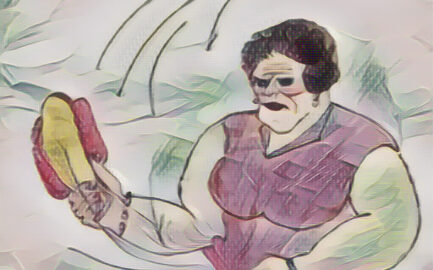
(gap: 2s) Growing up as an immigrant kid on the forgotten edge of 1970s London, every day felt like walking a tightrope strung between two worlds. Our family arrived in England with battered suitcases and bigger dreams, but the reality was a cramped council flat on a rain-soaked estate, where the air always seemed tinged with the scent of damp concrete and fried onions drifting from open windows. The estate was a patchwork of faded pebble-dash, nettle-choked verges, and the constant, echoing clatter of children’s voices bouncing off the walls.
Inside our flat, the world shrank to a handful of rooms. The living room was always warm, the electric fire humming like a tired bee, its orange glow flickering against the faded floral curtains. The air was thick with the mingled smells of strong tea, boiled cabbage, and the faint, musty tang of old books my mother had brought from home. The wallpaper peeled at the corners, revealing the ghosts of tenants past, and the carpet was worn thin where my mother paced during her lessons.
My mother, once a respected teacher in our homeland, wore her authority like a second skin. Even in her nylon housecoat and chunky jewellery, she moved with a purposeful grace, her eyes always sharp, her voice carrying the weight of old classrooms and distant expectations. She poured her hopes into me, determined that I would not be swallowed by the estate’s grey sameness.
Having a teacher for a mum meant that every day was a test. I was expected to excel—not just for myself, but for the family’s reputation among other immigrant families, and for the silent, watchful eyes of the English world outside. My mother’s routine was relentless: school, then hours of study at the kitchen table, her voice rising above the muffled thump of disco from the neighbour’s radio. She would quiz me on spelling and sums, her fingers tapping the battered whiteboard she’d propped against the wall, the marker squeaking as she wrote out lessons in her neat, looping script.
The pressure was constant, a weight pressing down on my chest. I felt it in the way my mother’s eyes narrowed when I stumbled over a word, in the way she straightened my posture with a firm hand on my shoulder. Trying my best was never enough. She demanded perfection, her standards as unyielding as the estate’s concrete walls. Good behaviour and good grades were not just expected—they were essential, proof that we belonged, that we were worthy of the sacrifices she’d made.
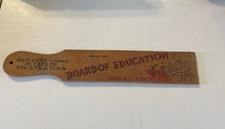
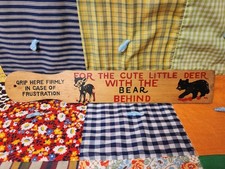
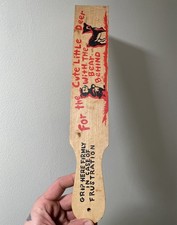
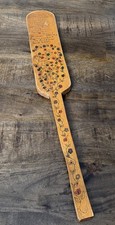
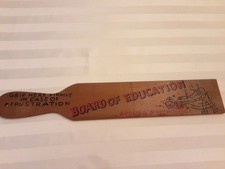
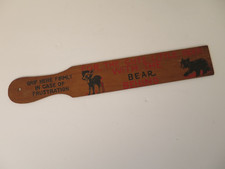
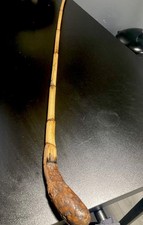
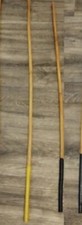
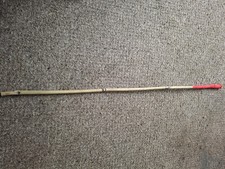
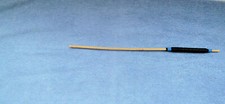
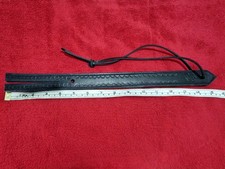
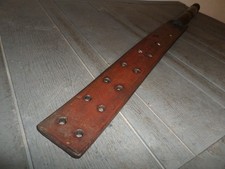
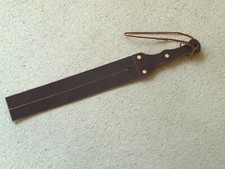
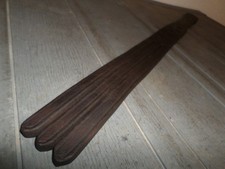
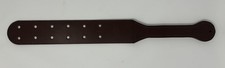
My mother’s discipline was legendary, both back home and here. The ruler and cane, relics of her teaching days, were never far from reach. They rested on the sideboard, beside a postcard from Brighton Pier and a wooden spoon, silent reminders of her authority. The implements of her old life became the tools of discipline in our new one, their presence as much a part of the flat as the humming telly or the crocheted blankets on the sofa.
During my long study hours, the threat of punishment hung in the air, as real as the smell of burnt toast or the distant rumble of the milk float outside. The sharp crack of the ruler on my palms or thighs was a sound that belonged to our flat, echoing through the thin walls and mingling with the estate’s everyday noises—the clatter of dustbin lids, the shouts of kids, the drone of traffic on the main road.
The pain was sharp, immediate—a sting that left red marks and raised welts on my skin. The ruler landed on my palms, knuckles, buttocks, thighs, and legs. The cane stung my open hands, the backs of my thighs, and my legs. Sometimes, I would trace the marks with my fingers, feeling the heat and the ache long after the punishment was over. Each mark was a reminder of my mother’s determination, her refusal to let me slip through the cracks.
But the most personal, the most intimate punishment was the pinch. Pinching was woven into the fabric of our culture, a quick, silent way to assert control. My mother was an expert, her fingers swift and precise. If she found a mistake in my homework, a firm pinch would come first, followed by a few smacks with the ruler. If I didn’t hold the position she wanted during punishment, she’d pinch my bum to make me comply. Even after the ruler, she’d squeeze my smacked bottom or inner thighs, making sure the lesson stuck.
The pinch was her secret weapon, especially in public. At the market, on the bus, or in a neighbour’s flat, she’d pull me close and pinch my bottom or thigh—a silent message that I’d pay for it later at home. In a country where public discipline was frowned upon, her pinches were quick, stealthy, and effective. I learned to dread the feel of her hand on my arm, the sudden, sharp pain that made me gasp and blink back tears.
She had two ways of pinching. The most common was grabbing a piece of flesh between her thumb and the side of her index finger, pulling the skin up and squeezing hard, sometimes twisting for extra pain. The second was digging her nails in, cupping her fingers and squeezing my flesh between her nails. Both hurt, but the first, with the twist, was the one I dreaded most. The pain was sharp, but it was the look in her eyes—big, unblinking, nostrils flared—that made the lesson unforgettable.
I got pinched everywhere—at home, in the corner shop, at relatives’ houses, even on the bus. I was always amazed at how efficient a single pinch could be. It was a language only we understood, a code of discipline that needed no words. Sometimes, I would catch my reflection in a shop window, my face flushed, my eyes shining with unshed tears, and I would wonder if anyone else could see the sting, the shame, the longing to please.
The flat was filled with sounds—the clink of teacups, the hiss of the kettle, the distant laughter of children playing marbles outside, the low hum of the telly. But beneath it all was the constant tension, the knowledge that a single mistake could bring the ruler, the cane, or the pinch. I learned to move quietly, to anticipate her moods, to read the warning signs in the set of her jaw or the way she tapped her foot.
Sometimes, late at night, I would lie in bed, staring at the “See London!” poster on the wall, listening to the rain tapping against the window and the distant wail of a police siren. I would think about the world outside—the English kids with their easy laughter, the mothers gossiping by the bins, the endless grey sky—and wonder if they felt the same pressure, the same longing to belong.
My mother’s discipline was both a burden and a shield. It set me apart from the other kids on the estate, made me different in ways I couldn’t always explain. But it was also her way of protecting me, of making sure I survived, succeeded, and never forgot where we came from. In the grey sprawl of 1970s London, surrounded by unfamiliar faces and customs, her strictness was the thread that tied me to my past, even as I struggled to find my place in the present.
Looking back, I can still feel the sting of the ruler, the sharpness of the pinch, the ache of wanting to please. But I can also see the love behind the discipline, the fierce determination that I would not be left behind. My mother’s lessons were written on my skin, but also in my heart—a reminder that even in the harshest moments, I was never alone.