The recollection of that punishment is carved into my memory, as clear as the sting itself. Yet, it is not only the pain that I recall—it is the world that surrounded me, the air heavy with the scent of rain and coal smoke, the hush that settled over our small cottage as the storm approached. The house was unusually quiet, save for the distant rumble of thunder and the gentle hum of the radio in the kitchen, where brass band music mingled with the aroma of stewing onions and simmering chicken.
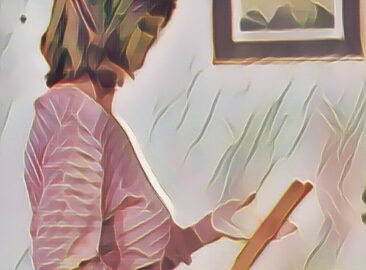
I stood in the doorway, my small hands trembling as I clutched the switch I had been sent to fetch—thin, green, and flexible, its bark still sticky with sap. My heart pounded so fiercely I could feel it in my throat, and my palms were slick with sweat. The weight of my guilt pressed down upon me, heavy and suffocating, as Mother sat on the edge of the bed, her notebook open on her lap, her face set in that stern, unyielding expression that meant there would be no escape, no last-minute pardon.
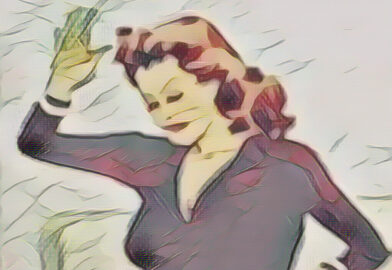
Mother did not raise her voice. She never needed to. Her words were low and steady, disappointment woven through every syllable. “You have lied, and you have missed school. You know better.” The telephone call from the school had just ended, the receiver still warm from her hand, sealing my fate. I tried to explain, to stammer out some excuse, but she silenced me with a single look—sharp as a slap. “You know the procedure,” she said, holding out her hand for the switch, her fingers steady, her eyes unwavering.
My legs felt as if they were made of jelly as I shuffled to the bed, the old patchwork quilt scratchy beneath my hands as I bent over. The air was thick, almost electric, and the only sound was my own ragged breathing, the faint tick of the clock on the mantel, and the distant clatter of rain against the window. Mother stood behind me, silent for a long moment, letting the lesson settle in the space between us. I could almost feel her weighing the moment, the responsibility of it, before the first smack landed—sharp, fiery, a line of pain that made me gasp, my eyes stinging with sudden tears.
She did not hurry. Each stroke was measured, deliberate, as if she wished me to feel not only the pain, but the meaning behind it. The first smack landed with a sharp crack, followed by the second, then the third, each one stinging more than the last, the switch biting through my thin shorts, leaving hot, angry welts. By the fourth and fifth, I was gripping the quilt so tightly my knuckles turned white, fighting the urge to cry out, to beg her to stop. The sixth, seventh, and eighth smacks came, each one a lesson in itself, and my resolve crumbled, the tears spilling down my cheeks, hot and shameful. The pain was sharp and bright, radiating out in waves, but it was the shame that hurt most: the knowledge that I had let her down, that I had broken the trust that held our little family together.
She gave me ten smacks in all, each one a punctuation mark in her lesson, each one a reminder that actions have consequences. After the tenth, she paused, letting the silence fill the room, broken only by my quiet sobs and the distant sound of the wireless. My backside throbbed, burning with every heartbeat, and I remained bent over, feeling small and remorseful, wishing I could take it all back.
At last, she touched my shoulder, her hand gentle now, her voice softer but still serious. “Stand up,” she said, and I straightened, wiping my face with the back of my hand, cheeks wet and burning. She looked at me for a long moment, her eyes searching mine, and I saw the love there, fierce and unwavering, even in her disappointment. “I love you, Matthew. But you must learn—lying and neglecting your responsibilities will not lead you anywhere. You are better than this.”
The lesson was clear, written in welts and tears: actions have consequences, and love sometimes means being held accountable. She gave me a minute to compose myself, her presence a steady anchor in the storm of my emotions, then sent me to take out the rubbish and wash up for supper. My backside still smarted as I moved through the familiar routines—scraping plates, rinsing my hands in cold water, the smell of chicken and dumplings filling the kitchen, the promise of wrestling on the television later, and Mother’s steady presence in the next room, humming softly as she set the table.
That night, as I lay in bed, the sting faded but the lesson remained, echoing in the quiet darkness. I listened to the distant laughter of teenagers outside, the hum of a passing Morris Minor, and the comforting creak of the house settling around me. I knew she had forgiven me, that her love was as constant as the ticking clock, but I also knew I never wished to disappoint her in such a way again. The pain would pass, but the memory—and the love behind it—would endure, woven into the fabric of our family, a lesson I would carry with me always.